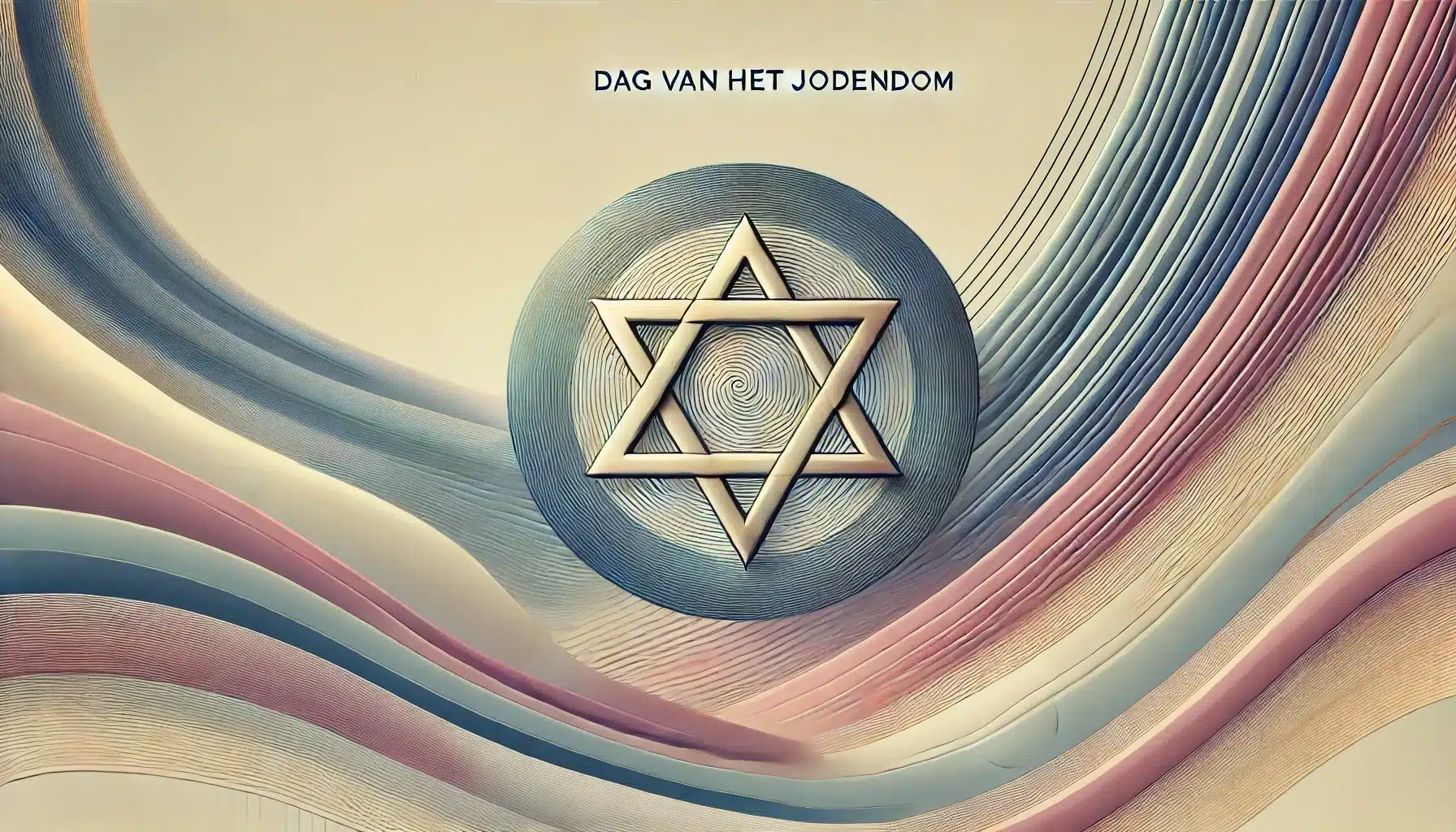
What is the Day of Judaism?
The Day of Judaism, known as Dag van het Jodendom in Dutch, is observed annually on January 17 in the Netherlands. Organized by the Roman Catholic Church, this day emphasizes the shared heritage and deep historical ties between Christianity and Judaism. It serves as an opportunity for dialogue, understanding, and mutual respect between the two faiths.
The observance highlights the theological and cultural connections between Catholics and Jews, fostering interfaith relationships and promoting reflection on the importance of coexistence and shared values.
History and Purpose
The Day of Judaism was established by the Dutch Bishops’ Conference, inspired by the Catholic Church’s global efforts to strengthen ties with the Jewish community, particularly following the Second Vatican Council (1962-1965). The council’s declaration, Nostra Aetate, called for increased understanding and dialogue between the Catholic Church and other faiths, especially Judaism.
In the Netherlands, the Day of Judaism is supported by the Catholic Council for Judaism, which organizes activities and promotes the event’s message. The initiative aims to deepen knowledge about Judaism within the Catholic community and to encourage interfaith dialogue.
This day is not only about reflecting on shared history but also about addressing modern challenges such as combating antisemitism and promoting tolerance in an increasingly diverse society.
Who Observes the Day of Judaism?
- Religious Leaders: Priests, rabbis, and other spiritual leaders participate in interfaith dialogues and joint ceremonies.
- Catholic and Jewish Communities: Members of both faiths engage in discussions, events, and educational activities to build mutual understanding.
- Academics and Students: Universities and theological institutions organize lectures and workshops on Jewish-Christian relations.
- Cultural Enthusiasts: Those interested in the shared heritage of Christianity and Judaism attend cultural events and exhibitions.
- General Public: Anyone with an interest in fostering interfaith dialogue and promoting respect between religions can participate.
Themes and Slogans
Each year, the Day of Judaism adopts a specific theme to guide its events and discussions. The themes often address spiritual, cultural, or social issues relevant to both faiths. For instance, the 2024 theme, “Lef/Lev”, combines the Dutch word for courage (“lef”) with the Hebrew word for heart (“lev”). This theme emphasizes the courage needed for honest dialogue and understanding between faith communities.
The central slogans of the day often revolve around dialogue, cooperation, and shared values, encouraging participants to reflect on their shared heritage and the importance of unity in diversity.
Colors, Symbols, and Patterns
Colors:
- Blue: Representing spirituality and the heavens, a common color in both Christian and Jewish traditions.
- White: Symbolizing peace, unity, and purity in faith.
- Gold: Reflecting the richness of shared history and cultural heritage.
Symbols:
- Menorah: A symbol of Jewish tradition and faith, representing light and wisdom.
- Open Book: Signifying shared sacred texts and the importance of study and understanding.
- Hands in Dialogue: Representing cooperation and the bridging of differences.
Patterns:
- Star Motifs: Reflecting the Star of David and the shared spiritual symbolism of stars in religious contexts.
- Circular Designs: Representing unity and the interconnectedness of faiths.
- Linked Chains: Depicting the strong ties and mutual support between Judaism and Christianity.
How to Celebrate the Day of Judaism
- Attend Interfaith Dialogues: Participate in discussions or events that bring together Catholic and Jewish communities to share perspectives.
- Explore Shared Heritage: Visit cultural exhibitions or watch documentaries that highlight the historical and theological connections between the two faiths.
- Engage in Education: Join lectures, workshops, or reading groups focused on Jewish-Christian relations and their historical context.
- Participate in Prayer Services: Attend interfaith ceremonies that emphasize common values such as peace, tolerance, and mutual respect.
- Reflect on Modern Issues: Take time to consider challenges like combating antisemitism and promoting interfaith cooperation in today’s world.
Most Used Hashtags
- #DayOfJudaism
- #InterfaithDialogue
- #JewishChristianRelations
- #SharedHeritage
- #ToleranceAndUnderstanding
Why is the Day of Judaism Important?
The Day of Judaism holds immense significance as a platform for fostering understanding and collaboration between two of the world’s major religions. It emphasizes the shared values and common history of Christianity and Judaism while encouraging dialogue to address differences.
In today’s globalized world, the Day of Judaism is a reminder of the importance of interfaith relationships in combating prejudice and promoting unity. By creating opportunities for open communication, this observance helps build bridges between communities, contributing to a more inclusive and harmonious society.
For Catholics, it deepens their understanding of Judaism as the root of their faith. For Jews, it represents an opportunity to connect with others who appreciate and respect their traditions. Overall, the day strengthens bonds and ensures that the lessons of history guide future generations toward greater cooperation and respect.
Features
Contact Info
January 17: Day of Judaism (Netherlands)
Why do you keep falling for the same type?
Read the article Lovemaps: the hidden blueprint of our love.
Did you not find what you were looking for? Let me help you find more.