
Unraveling the Mystery of a Royal Scandal
The Affair of the Diamond Necklace (1784-86) was a scandal that enveloped Queen Marie Antoinette of France and significantly impacted her reputation. Although she was innocent of any wrongdoing, her name became associated with deceit and extravagance. The scandal tarnished her image and contributed to growing disillusionment with the monarchy in the years leading up to the French Revolution (1789-1799).
Why It Still Matters Today
This historical moment serves as a reminder of how rumors can destroy reputations and how misinformation can influence public perception. The scandal highlights not only the fragility of royal authority but also the power of storytelling in shaping societal beliefs. Understanding this event helps us appreciate how rumors can lead to disastrous outcomes, a lesson still relevant in today’s world where misinformation spreads rapidly.
The Intrigue Behind the Scenes
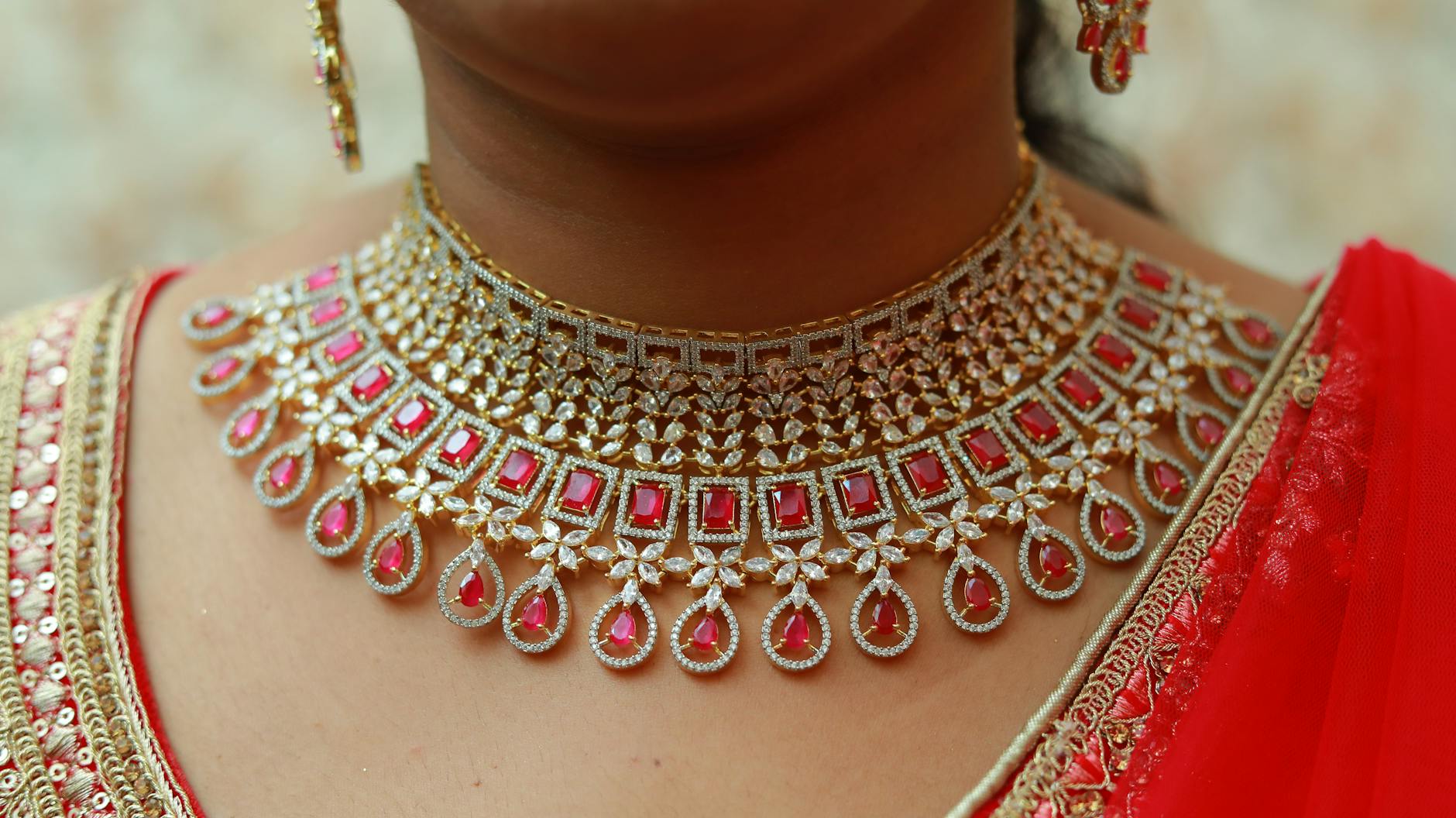
The necklace itself was a magnificent creation, commissioned by jewelers Boehmer and Bassenge in 1772. Originally intended for King Louis XV’s mistress, Madame Du Barry, it featured 647 brilliants and weighed 2,800 carats. Following Louis XV’s death, the jewelers found themselves with an unsold necklace priced at around 2 million livres. They hoped to sell it to Marie Antoinette, who refused due to its ostentation and her rivalry with Madame Du Barry.
How It Works: The Mechanics of Deception
The Role of Manipulation in Society
Manipulation played a crucial role in this scandal. Cardinal Louis de Rohan sought favor from Marie Antoinette but was easily deceived by Jeanne de la Motte, who orchestrated an elaborate scheme that exploited his desires and ambitions. Rohan’s gullibility illustrates how individuals can be misled when driven by ambition or desire.
Understanding Psychological Tactics
Jeanne de la Motte capitalized on Rohan’s obsession with gaining royal favor. She falsely claimed to have connections with Marie Antoinette and created scenarios that made Rohan believe he was acting on behalf of the queen. Her tactics reveal how psychological manipulation can lead individuals to make poor decisions based on misplaced trust.
Key Players in the Drama
Marie Antoinette: The Misunderstood Queen
Marie Antoinette often faced harsh criticism for her lavish lifestyle and perceived indifference to the plight of her subjects. Her refusal to accept the diamond necklace further complicated her image as a spendthrift queen. Though she had no part in the scheme, public opinion painted her as an extravagant figure at odds with a nation struggling financially.
The Mastermind: Jeanne de La Motte
Jeanne de La Motte claimed noble lineage that linked her to King Henry II of France. She married Nicolas de la Motte, but their financial struggles led her to devise a scheme that would allow her to deceive Cardinal de Rohan while enriching herself. Her cunning nature made her a central figure in this scandal.
The Events That Sparked a Crisis
A Fateful Encounter
Jeanne arranged a clandestine meeting between Rohan and a woman posing as Marie Antoinette. This deception took place at Versailles’ Grove of Venus. The woman, Nicole d’Oliva, resembled the queen enough to convince Rohan that he was indeed meeting with Marie Antoinette.
The Chain Reaction of Events
After successfully convincing Rohan of their connection, Jeanne presented him with forged letters from “Marie Antoinette,” requesting he purchase the diamond necklace for her as a favor while disguising it as charity during difficult times. Rohan complied, believing he was acting in service to the queen.
Common Myths About the Affair
Myth 1: Marie Antoinette Was Directly Involved
Many people assumed Marie Antoinette had orchestrated the affair herself; however, she was completely unaware until it became public knowledge. Her name was used without consent, demonstrating how easily reputations can be damaged through deceit.
Myth 2: The Necklace Was a Gift for Her
An additional misconception is that Rohan purchased the necklace as a gift for Marie Antoinette; instead, he believed he was fulfilling a request from her. This misunderstanding fueled public outrage when it was revealed that he had been duped.
The Aftermath and Its Impact on France
Public Perception and Propaganda
The scandal severely damaged Marie Antoinette’s reputation. Propagandists exploited the event to fuel existing resentment against her and the monarchy. The queen became associated with moral decay and extravagance, further alienating her from the French people.
How Scandals Shape History
This incident did not directly cause the French Revolution but contributed to growing discontent with royal authority. As rumors about Marie Antoinette spread through pamphlets and libelles, public sentiment turned against not just her but also against the entire Bourbon monarchy.
Lessons Learned from Historical Deceptions
The Importance of Critical Thinking
The Affair of the Diamond Necklace reminds us that critical thinking is essential when evaluating information. People must question motives behind stories, especially when they concern influential figures like royals or leaders.
Recognizing Red Flags in Information
This historical episode illustrates how easily misinformation can take root when individuals overlook obvious signs or accept narratives without skepticism. Awareness of such red flags can help prevent similar misunderstandings today.
The Affair of the Diamond Necklace stands as a cautionary tale about deception’s power and its potential consequences for those involved. While it didn’t single-handedly lead to revolution, it certainly played its part in shaping public opinion against an already beleaguered monarchy.
Sources
Why do you keep falling for the same type?
Read the article Lovemaps: the hidden blueprint of our love.
Did you not find what you were looking for? Let me help you find more.
