
Unlocking the Secrets of Caral-Supe
The Caral-Supe civilization is one of the oldest known societies in the Americas, flourishing between approximately 3500 BCE and 1800 BCE in coastal Peru. Archaeologists have uncovered remarkable evidence of their existence, including monumental architecture and sophisticated agricultural practices. The site of Caral, often considered the heart of this civilization, features large pyramids and an intricate urban layout that challenge our understanding of early human societies.
What Was Caral-Supe?
Caral-Supe, also known as Norte Chico, was a pre-Columbian civilization that thrived in the Supe Valley. It is characterized by impressive architectural achievements, including the construction of large platform mounds and sunken plazas. This society emerged around 3500 BCE at Huaricanga, marking it as one of the first urban centers globally. Caral-Supe coexisted with other ancient cultures such as Sumer in Mesopotamia and the Egyptians.
Key Features of the Civilization
Caral-Supe is notable for its lack of ceramics, which is unusual for an advanced society. Instead, it showcased monumental architecture and exhibited sophisticated textile technology. Evidence suggests that religious practices may have centered around common deity symbols, reflecting beliefs that would recur in later Andean cultures.
How It Works: The Mechanics of Caral-Supe
Agriculture and Sustainability
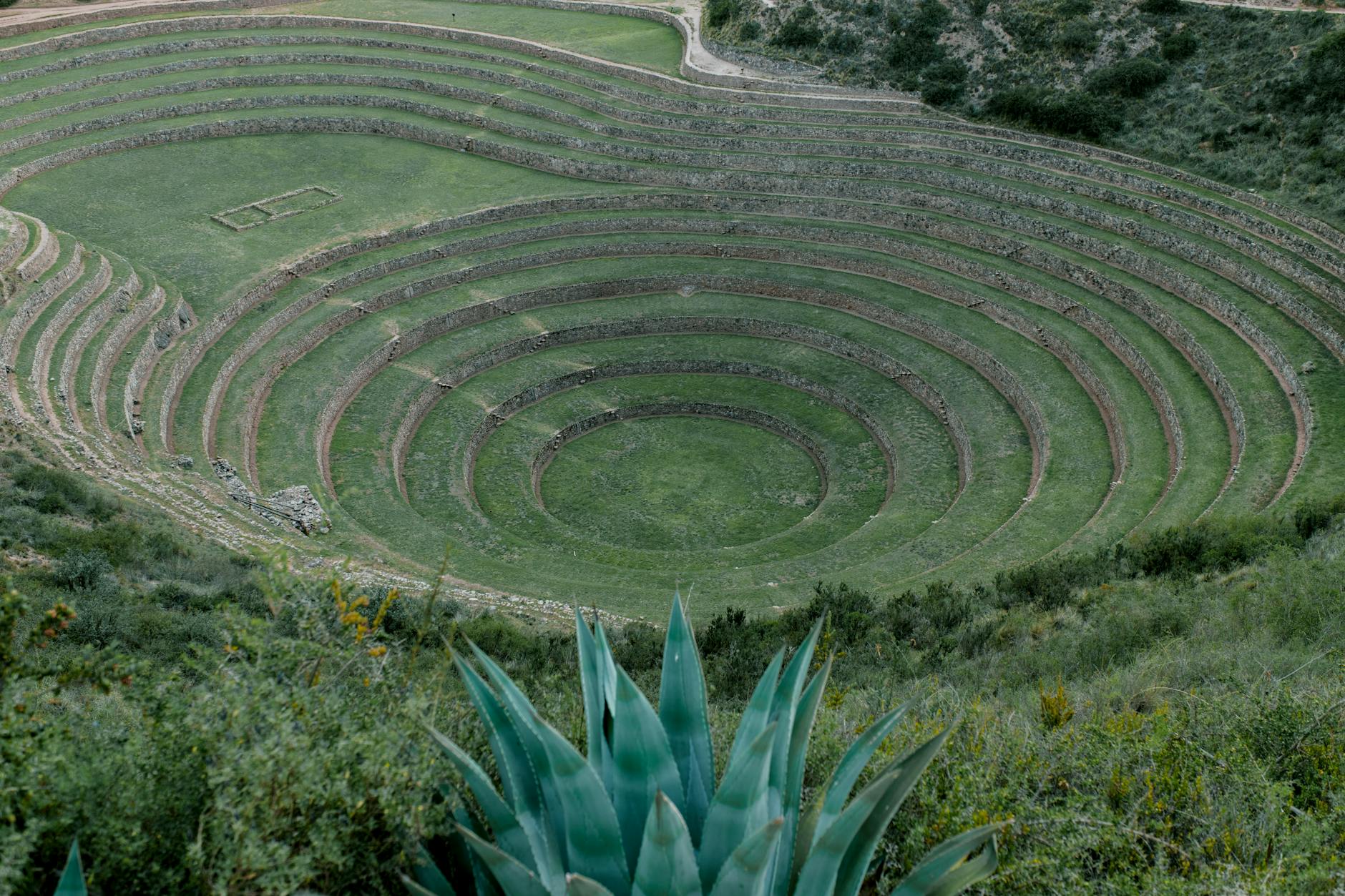
The success of Caral-Supe heavily relied on agriculture supported by irrigation systems fed by Andean rivers. Crops included squash, beans, and sweet potatoes. The ability to farm sustainably in a challenging environment was crucial for supporting large populations.
Urban Planning and Architecture
The urban layout of Caral-Supe reveals advanced planning capabilities. Structures were built using quarried stones and river cobbles without defensive fortifications, suggesting a peaceful society focused on trade and communal living rather than warfare. Major sites like Caral featured impressive pyramids that served both ceremonial and administrative functions.
Common Myths About Caral-Supe
The “Primitive” Misconception
Many perceive ancient civilizations as primitive due to their lack of writing or ceramics. However, Caral-Supe’s complexity in social organization, architecture, and agriculture contradicts this stereotype.
Underestimating Their Achievements
There is a tendency to overlook the achievements of pre-Columbian societies like Caral-Supe. Its monumental architecture and urban planning rival those found in contemporary civilizations across the globe.
Cultural Practices and Beliefs
Religion and Rituals
Cultural artifacts suggest that religion played a significant role in Caral-Supe society. Iconography found at sites indicates a belief system involving deities common to later Andean cultures. Rituals likely revolved around agricultural cycles and communal gatherings.
Artistic Expressions
The absence of traditional art forms like sculpture or painting raises questions about how these people expressed their creativity. The discovery of musical instruments like bone flutes suggests that music may have played a vital role in cultural expression.
The Decline of Caral-Supe
Environmental Factors at Play
The decline around 1800 BCE is attributed to environmental changes such as prolonged droughts linked to global climate events. Archaeological evidence indicates that rather than collapsing, communities relocated to sustain their way of life while maintaining cultural continuity.
What We Can Learn from Caral-Supe Today
Sustainable Living in a Modern Context
The lessons from Caral-Supe highlight sustainable agricultural practices that can be applied today. By understanding ancient irrigation methods and community cooperation, modern societies can foster resilience against ecological crises.
The Importance of Community Structures
The social organization within Caral-Supe underscores how strong community ties enabled survival through adversity. Fostering collaboration within communities is essential for addressing today’s global challenges effectively.
In summary, the study of the Caral-Supe civilization offers profound insights into early human ingenuity and adaptability. As we face pressing environmental issues today, reflecting on this ancient society’s successes can guide us toward sustainable futures.
Sources
- Caral:Supe civilization – Wikipedia
- www.theguardian.com
- www.theguardian.com
- fr.wikipedia.org
- archive.org
- ui.adsabs.harvard.edu
- doi.org
- pubmed.ncbi.nlm.nih.gov
- api.semanticscholar.org
- web.archive.org
- www.niu.edu
Why do you keep falling for the same type?
Read the article Lovemaps: the hidden blueprint of our love.
Did you not find what you were looking for? Let me help you find more.
