
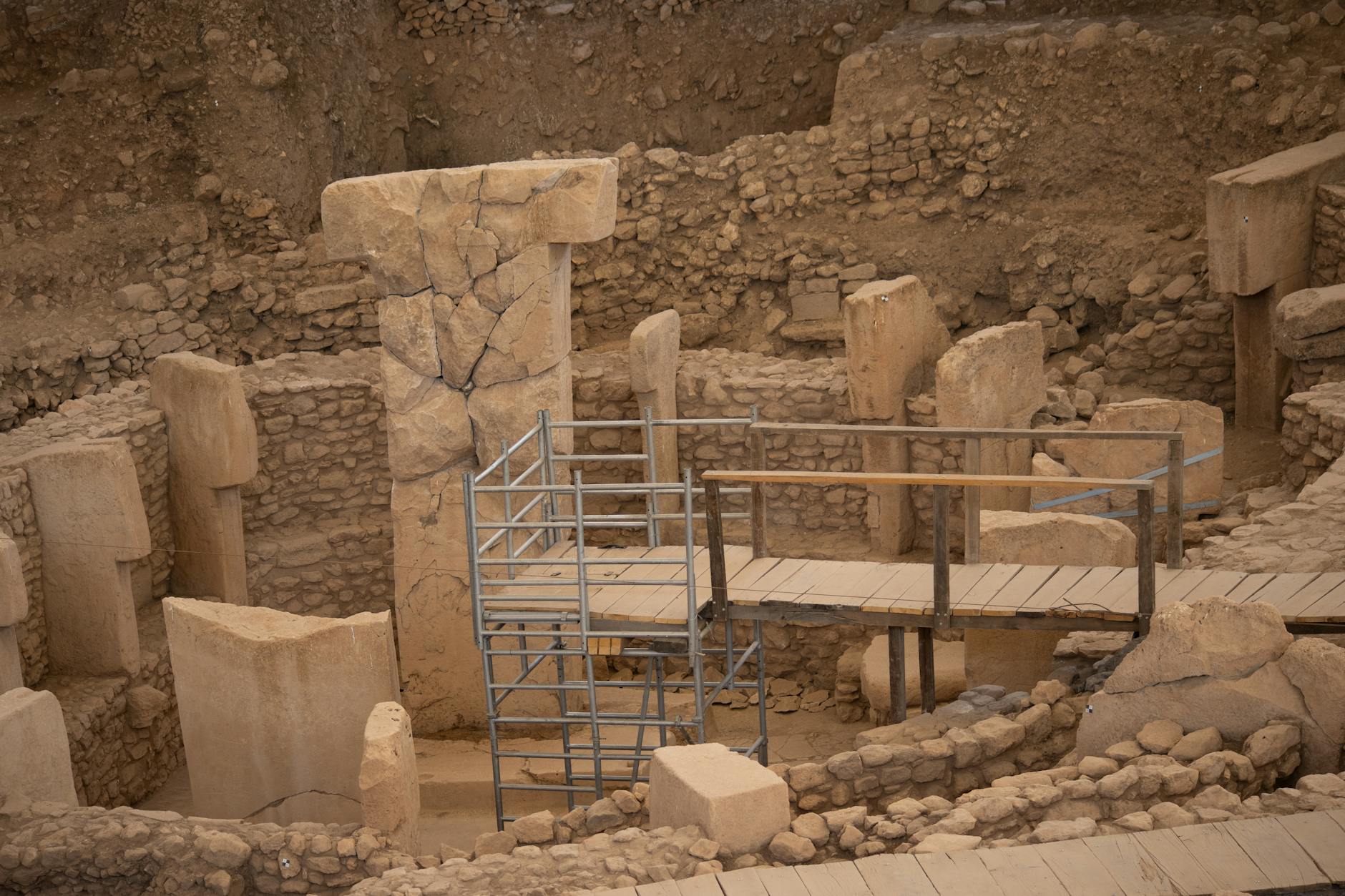
Unlocking the Neolithic: Why It Matters Today
The Neolithic period, lasting from around 10,000 BC to 2,000 BC, marks a pivotal shift in human history,the transition from nomadic hunter-gatherers to settled agriculturalists. This transformative phase profoundly affected how societies formed and developed, laying the foundations for modern civilization.
The Neolithic, or New Stone Age, is characterized by the development of agriculture and the domestication of animals. This period saw a significant transformation in human lifestyle as communities shifted from being nomadic to establishing permanent settlements.
Daily Life in the Neolithic Era
From Foraging to Farming
During the early Neolithic, people began to cultivate grains and domesticate animals, leading to more stable food sources. Crops such as wheat and barley were among the first cultivated, significantly changing diets and lifestyles. In regions like the Fertile Crescent, agriculture emerged around 10,200 BC, allowing communities to establish permanent settlements.
The transition from foraging to farming enabled people to produce food surpluses. This surplus supported larger populations and led to the establishment of villages and towns. By 8000 BC, domesticated sheep and goats became common alongside established crops.
Community and Cooperation
The shift towards farming fostered cooperation among community members. People worked together in fields, sharing labor and resources. As settlements grew, social structures evolved; communal activities such as harvest festivals likely played important roles in maintaining social bonds.
Settlements featured more permanent structures made from mudbrick or stone, contrasting with earlier temporary shelters. This architectural evolution reflects a growing sense of community identity and stability.
How It Works: The Shift to Agriculture
The Role of Domestication
Domestication is a key feature of the Neolithic Revolution. It involved selecting wild plants and animals with desirable traits for cultivation or breeding. Important crops included wheat, barley, lentils, and peas, while animals such as cattle, pigs, sheep, and goats were domesticated for food and labor.
This process was not uniform across regions; different cultures developed unique agricultural practices based on local conditions. For example, rice was domesticated independently in parts of Asia around the same time as wheat in the Near East.
Techniques and Innovations
The Neolithic period was marked by technological advancements that facilitated agriculture. People created tools like sickles for harvesting grains and grinding stones for processing food. Innovations such as pottery allowed for better storage of surplus food, enhancing food security in these early communities.
Communities began implementing irrigation techniques as well, improving crop yields and supporting larger populations. These advancements laid the groundwork for future agricultural practices that would evolve over millennia.
Technological Advances that Changed Everything
Tools of the Trade
The development of polished stone tools marked a significant advancement during the Neolithic era. These tools were extensively used for farming activities; sickles for harvesting crops and grinding stones for processing grains became essential implements for daily life.
This era also saw innovations beyond agriculture; communities produced ornaments and decorative items from stone, demonstrating increased artistic expression alongside practical tool-making skills.
The Birth of Pottery and Textiles
Pots made from clay emerged as crucial items during this period. Pottery allowed people to store food securely and cook meals more efficiently. As societies settled, pottery became more intricate, showcasing various artistic styles across different regions.
The production of textiles also began in this era, with evidence suggesting that people wove cloth using animal fibers or plant materials. This advancement enhanced clothing options and created new forms of artistic expression through dyeing and weaving techniques.
Common Myths About the Neolithic Period
The ‘Caveman’ Misconception
A common stereotype about prehistoric humans is that they lived brutishly simple lives akin to cavemen. In reality, Neolithic societies were complex with rich cultural practices. Their ability to innovate in agriculture, art, and community organization demonstrates considerable social sophistication.
Understanding Social Structures
Contrary to popular belief that all early societies were egalitarian, evidence suggests some Neolithic communities had social hierarchies based on wealth or resource control. However, many communities functioned collaboratively without strict class divisions during this period.
The Impact on Environmental Change
Land Use and Ecosystem Transformation
The advent of agriculture significantly altered landscapes. Forests were cleared for farmland, leading to new ecosystems shaped by human activity. While this transformation allowed for increased food production, it also raised questions about sustainability.
Sustainability Lessons from Ancient Practices
Neolithic practices offer insights into sustainable living today. Many ancient agricultural techniques emphasized crop rotation and biodiversity,practices that can inform modern sustainable farming methods aimed at preserving ecosystems while feeding growing populations.
The Neolithic Legacy in Today’s World
Cultural Continuities and Innovations
The Neolithic revolution laid critical foundations for contemporary societies by establishing agriculture as a reliable food source. Many cultural practices we recognize today,farming techniques and community organization,find their roots in this transformative period.
Influences on Modern Agriculture and Society
Modern agriculture continues to evolve from innovations made during the Neolithic era. The domestication of plants and animals initiated a chain reaction leading to urbanization and complex societies we see today. Understanding this legacy helps us appreciate our place within an ongoing historical narrative regarding food production and community development.
The Neolithic period stands as a testament to human ingenuity,a time when our ancestors made choices that shaped how we live today. By studying this era’s advancements and lessons learned about cooperation with nature, we can better navigate present challenges related to sustainability and community living.
Sources
- Neolithic – Wikipedia
- www.oed.com
- www.oed.com
- egyptianmuseum.org
- www.britannica.com
- ui.adsabs.harvard.edu
- citeseerx.ist.psu.edu
- doi.org
- pubmed.ncbi.nlm.nih.gov
- api.semanticscholar.org
- www.sciencedirect.com
Why do you keep falling for the same type?
Read the article Lovemaps: the hidden blueprint of our love.
Did you not find what you were looking for? Let me help you find more.
