
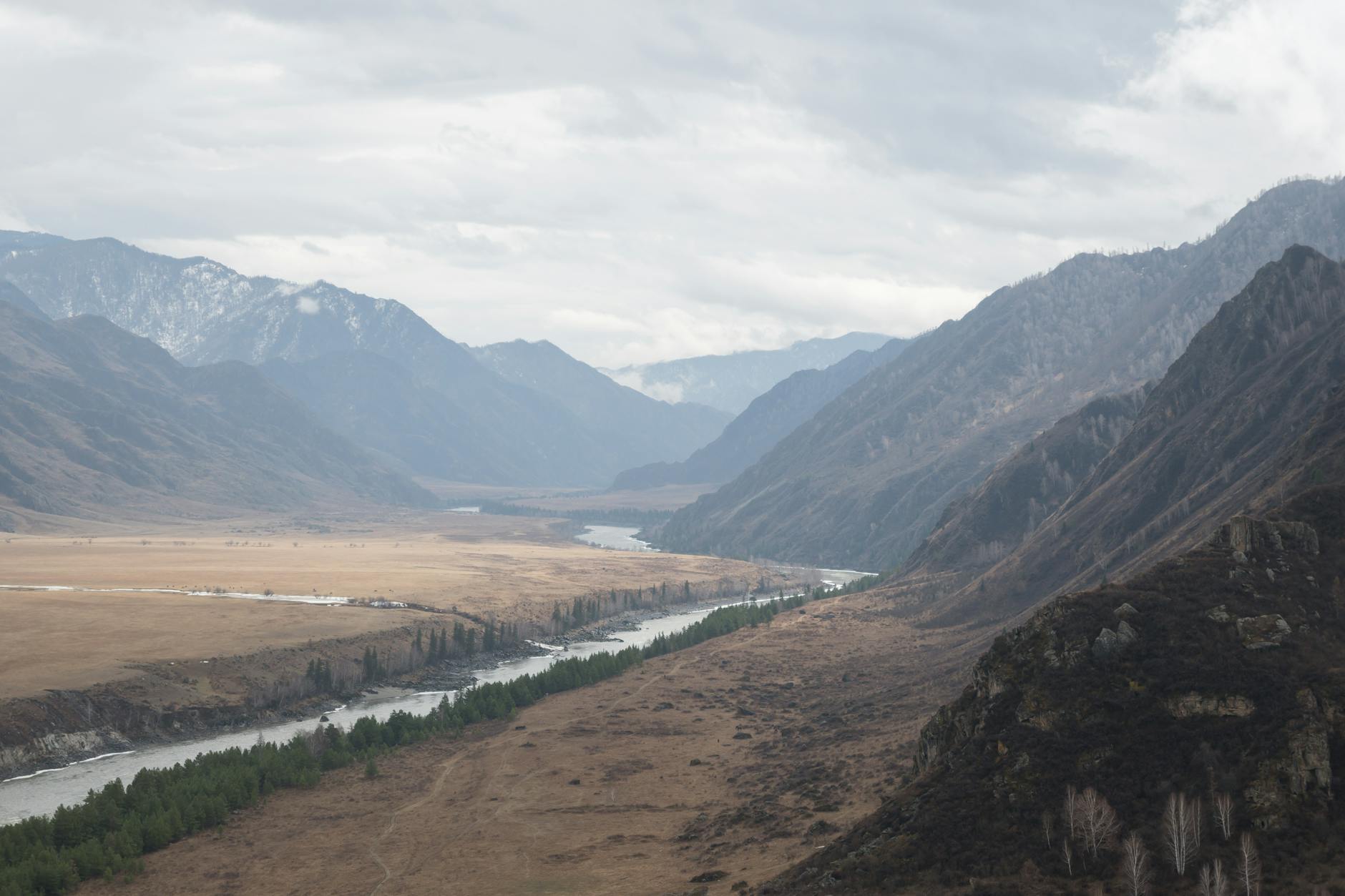
Siberia: A Vast Geographical Region of North Asia in Russia
Siberia, stretching from the Ural Mountains to the Pacific Ocean, covers approximately 77% of Russia’s territory. This extensive region is often misunderstood, overshadowed by its extreme climate and remoteness. However, beneath its icy facade lies a world rich in natural beauty and unique ecosystems. The diversity of landscapes, from taiga forests to tundra, makes it a crucial area for biodiversity.
The Practical Appeal of Siberia
Beyond its raw beauty, Siberia holds significant economic potential. The region is abundant in natural resources such as oil, gas, coal, and minerals. For instance, the Sakha Republic (Yakutia) is known for its diamond mines, which contribute significantly to Russia’s economy. Additionally, the Trans-Siberian Railway serves as a vital trade route, connecting remote areas to major cities.
Natural Marvels: What Lies Beneath the Surface
Siberia is home to some of the world’s largest freshwater lakes, including Lake Baikal, which is the deepest lake on Earth. This UNESCO World Heritage site contains about 20% of the world’s unfrozen surface freshwater and boasts unique biodiversity that is crucial for global water systems. The region’s permafrost also plays a significant role in climate regulation. As temperatures rise due to climate change, scientists are studying how thawing permafrost could release greenhouse gases like methane into the atmosphere.
How It Works: The Science Behind Siberian Phenomena
The phenomena observed in Siberia are closely tied to its geography and climate. For example, the taiga forest acts as a carbon sink, absorbing carbon dioxide and helping mitigate climate change. The unique geological formations result in various mineral deposits that are economically valuable. Understanding these processes is essential for sustainable development in the region.
Common Misconceptions About Siberia
- Myth: Siberia is entirely frozen and uninhabitable.
- Reality: While winters are harsh, many cities like Novosibirsk have thriving communities.
- Myth: Siberia is devoid of culture.
- Reality: The region has a rich cultural heritage influenced by indigenous peoples and historical events.
Cultural Tapestry: The People of Siberia
Siberia is not just a land of snow and ice; it is also home to over 40 different ethnic groups. Indigenous populations such as the Yakuts and Buryats maintain their own languages and traditions that enrich the cultural landscape. Festivals celebrating traditional music and dance are common, showcasing a vibrant community spirit despite the challenges posed by modernization.
Modern Challenges: Balancing Nature and Development
The rapid pace of industrialization in Siberia poses significant environmental challenges. Logging and mining activities threaten local ecosystems and wildlife habitats. Moreover, climate change exacerbates these issues as natural disasters become more frequent. Striking a balance between economic growth and environmental conservation remains a pressing concern for policymakers.
A Glimpse into the Future: What Lies Ahead for Siberia?
The future of Siberia hinges on sustainable development practices that respect both nature and indigenous cultures. Initiatives aimed at preserving biodiversity while promoting responsible resource extraction are gaining traction. As global interest in renewable energy increases, Siberia’s vast lands may play a crucial role in supplying sustainable resources like wind or solar power.
Sources
- Siberia – Wikipedia
- geohack.toolforge.org
- ru.wikipedia.org
- en.wiktionary.org
- web.archive.org
- rosstat.gov.ru
- rosstat.gov.ru
- www.britannica.com
- www.worldatlas.com
- bse.sci-lib.com
- www.aer.com
Why do you keep falling for the same type?
Read the article Lovemaps: the hidden blueprint of our love.
Did you not find what you were looking for? Let me help you find more.
