
Unlocking the Mysteries of West Asia
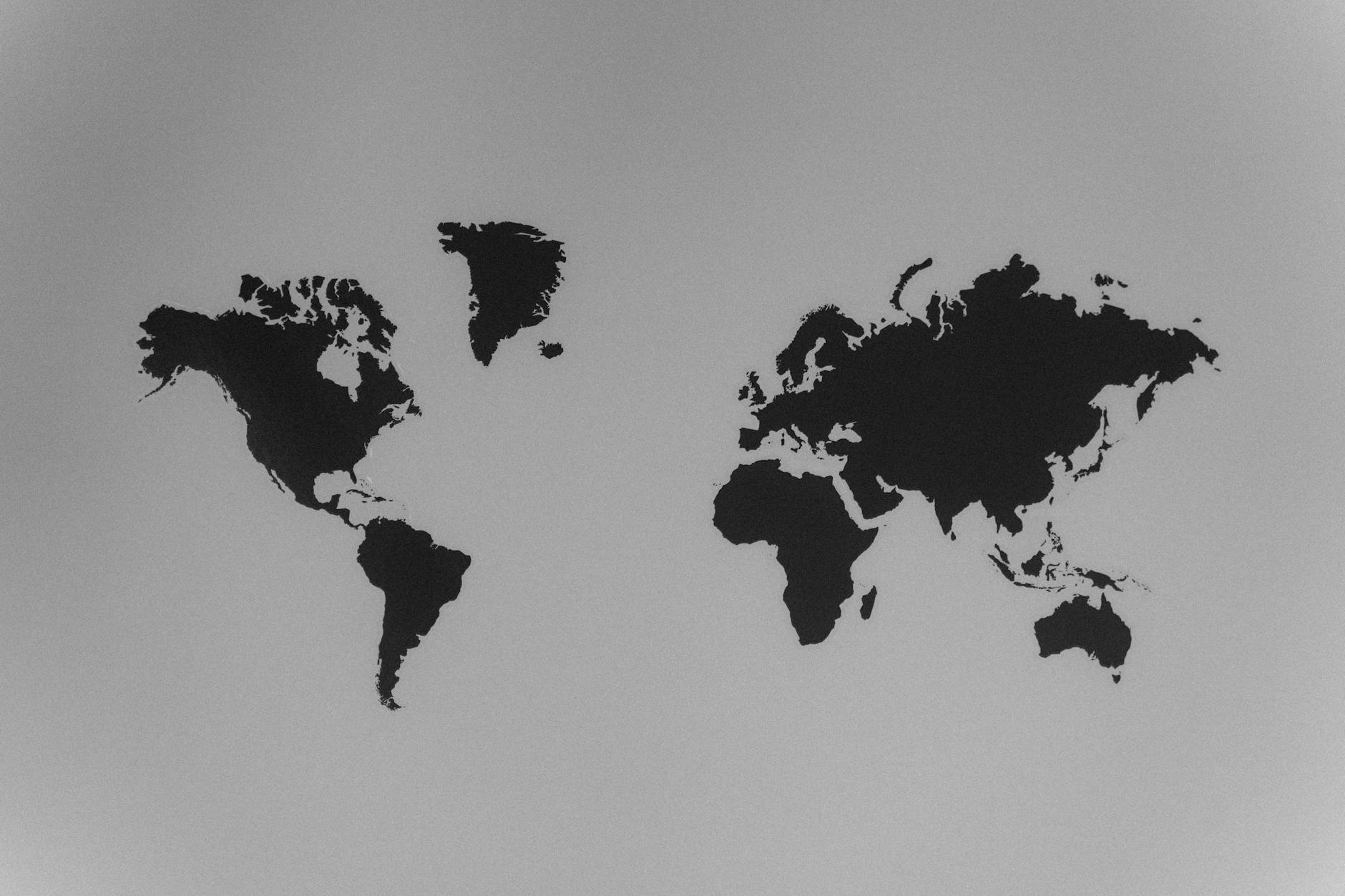
West Asia, also known as Western Asia or Southwest Asia, is the westernmost part of Asia. This region holds significant geopolitical importance, encompassing areas crucial to global history and contemporary politics. It influences millions through its diverse cultures, religions, and economies.
A Journey Through Diverse Landscapes
Why It Matters Today
West Asia is not just a geographical term; it represents a crossroads of civilizations and cultures that significantly impact global events and economies. With a population of approximately 313 million across an area of about 5,994,935 km² (2,314,657 sq mi), this region includes key countries such as Iran, Iraq, Saudi Arabia, and Turkey. Understanding West Asia is essential for grasping the complexities of modern geopolitics and cultural interactions.
From Mountains to Deserts: The Terrain of West Asia
Landforms That Shape Lives
The terrain of West Asia is incredibly varied. It features mountain ranges like the Zagros Mountains in Iran and the Taurus Mountains in Turkey, alongside vast deserts such as the Rub’ al Khali (Empty Quarter) in Saudi Arabia. This diverse geography influences weather patterns and the natural resources available to its inhabitants.
The Role of Natural Resources
Natural resources play a pivotal role in the economy and livelihood of West Asian nations. The region is home to more than half of the world’s oil reserves and a significant portion of its natural gas reserves. Access to these resources shapes political dynamics both within the region and globally.
How It Works: Understanding the Ecosystems
The Interplay of Climate and Biodiversity
The climate across West Asia varies from arid in desert regions to temperate in mountainous areas. This range creates unique ecosystems that support diverse flora and fauna. However, water scarcity poses challenges for agriculture and daily life due to increasing populations and climate change effects.
Human Impact on Natural Habitats
Urbanization and industrial activities have led to significant changes in natural habitats. Expansion into previously untouched areas often results in habitat loss for many species. Additionally, pollution from agricultural runoff threatens water quality across the region.
The Tapestry of People: Ethnicities and Languages
Major Ethnic Groups in Focus
West Asia is home to various ethnic groups, including Arabs, Persians, Turks, Kurds, Assyrians, Armenians, Jews, and others. Each group contributes to the region’s rich cultural mosaic through its traditions, languages, and histories.
The Linguistic Landscape
Languages spoken in West Asia reflect its ethnic diversity. Arabic is widely spoken across many countries, while Persian dominates in Iran. Other languages include Turkish in Turkey and Kurdish among Kurdish populations. This linguistic variety illustrates the complex identities within West Asia.
Common Myths About West Asia
Simplifying Stereotypes
West Asia often faces stereotypes that oversimplify its cultures into monolithic representations. Many people mistakenly view it solely through the lens of conflict or extremism when it is home to a plethora of traditions that celebrate peace and coexistence.
Debunking Misconceptions About Cultures
Cultural practices vary widely across different communities in West Asia. Festivals such as Nowruz (Persian New Year) or Ramadan (Islamic holy month) showcase deep-rooted traditions that highlight community spirit rather than division or strife.
A Melting Pot of Traditions: Festivals and Practices
Celebrations That Unite Communities
The region’s festivals serve as vital expressions of identity. In Lebanon, for instance, people celebrate Eid al-Fitr with family gatherings, while in Turkey, Nowruz marks the arrival of spring with colorful festivities. These celebrations foster unity among diverse groups.
The Influence of Religion on Daily Life
Religion significantly shapes lifestyles across West Asia. Islam is predominant but coexists with communities practicing Christianity, Judaism, Zoroastrianism, Druze faiths, Yazidism, Bahá’í Faiths, and others. These religions influence everything from holidays to social norms.
The Future of West Asia: Challenges and Opportunities
Environmental Concerns Ahead
As climate change accelerates environmental degradation in West Asia,leading to droughts and water shortages,the future presents both challenges and opportunities for sustainable development practices. Addressing these issues requires cooperation across borders for resource management.
Prospects for Cultural Exchange and Cooperation
The potential for cultural exchange remains high among West Asian nations due to shared histories and trade routes. Many initiatives promote dialogue through art, education exchanges, and economic partnerships that can enhance mutual understanding.
In conclusion, understanding West Asia goes beyond geographical boundaries; it encompasses a rich tapestry woven from diverse cultures, languages, landscapes, and histories. As this region faces modern challenges like climate change and political unrest, fostering collaboration will be key to ensuring a sustainable future for all its peoples.
Sources
- West Asia – Wikipedia
- www.palestinianbasiclaw.org
- www.cia.gov
- www.un.org
- population.un.org
- web.archive.org
- web.archive.org
- population.un.org
- www.imf.org
- www.fao.org
- web.archive.org
Why do you keep falling for the same type?
Read the article Lovemaps: the hidden blueprint of our love.
Did you not find what you were looking for? Let me help you find more.
