
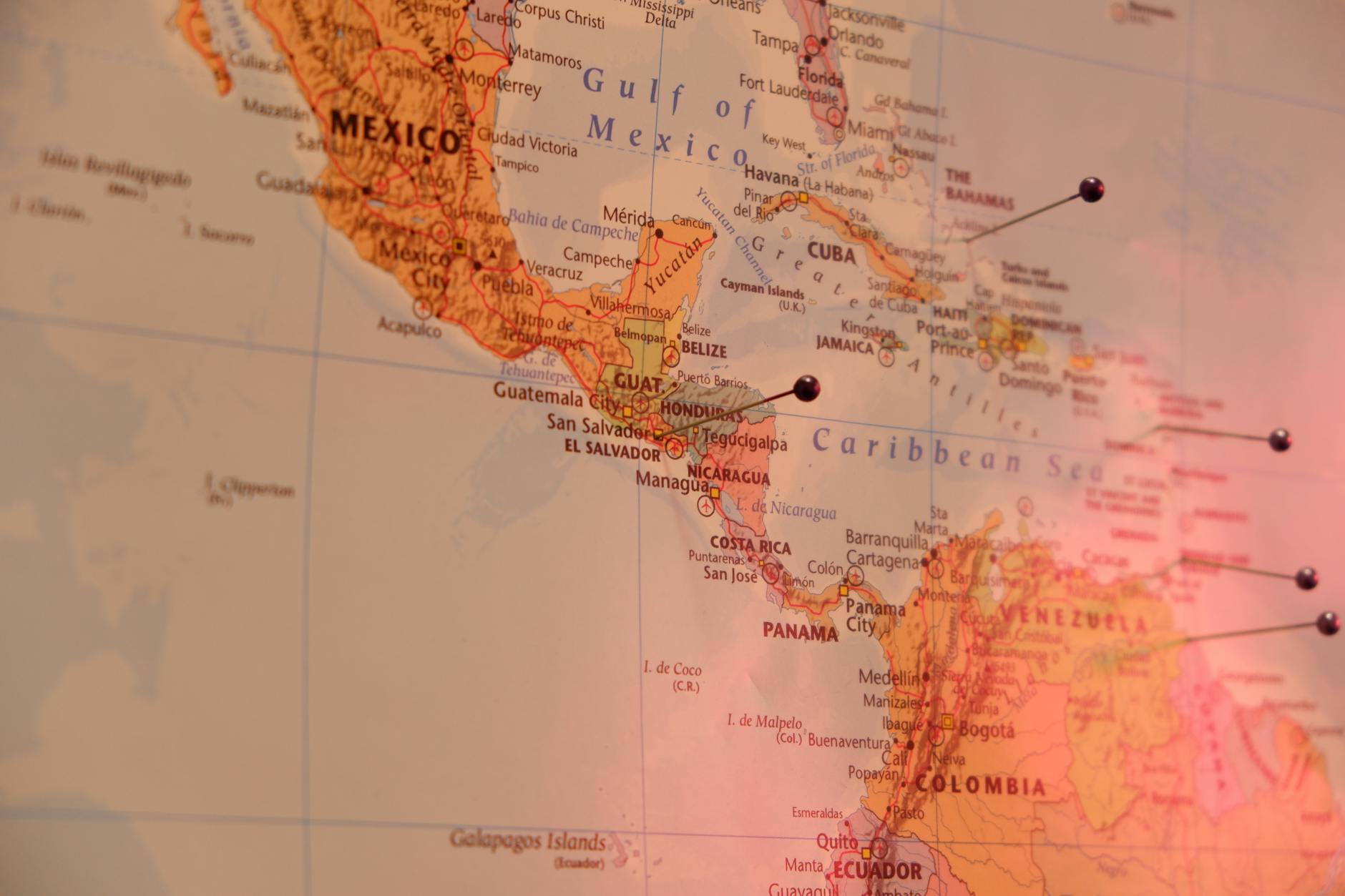
Many people think area studies are just about geography. This view oversimplifies the field's scope and significance. Area studies blend various disciplines to explore cultural, political, and economic aspects of specific regions. After reading, you'll better understand what area studies truly encompass.
Unlocking the World: Why Area Studies Matter
Area studies, also known as regional studies, is an interdisciplinary field focused on specific geographical, national, or cultural regions. It combines insights from the social sciences and humanities to explore various aspects of these areas. This field is essential for understanding the complexities of global interactions and the unique characteristics of different cultures and societies. Policymakers, businesses, and non-profit organizations engaged in international relations benefit significantly from this knowledge.
Connecting Cultures and Contexts
Area studies bridge gaps between cultures by examining local customs, languages, and historical contexts. Scholars analyze how these factors influence social behaviors and political systems within specific regions. By fostering mutual understanding and respect among people from diverse backgrounds, area studies contribute to global engagement.
Practical Applications in Global Affairs
The practical applications of area studies are extensive. Policymakers utilize insights from this field to craft effective foreign policies. Businesses rely on regional expertise to navigate international markets and build relationships with local partners. Nonprofits benefit from understanding community needs when implementing development programs. In each case, area studies provide essential context that enhances decision-making processes.
How it Works: The Framework of Area Studies
Interdisciplinary Collaboration
Area studies thrive on collaboration across various disciplines, including international relations, history, anthropology, political science, and cultural studies. This interdisciplinary approach allows researchers to develop a holistic view of a region’s dynamics. By integrating different perspectives, scholars can address complex issues such as migration patterns, economic trends, and social movements more effectively.
Methodologies and Techniques
Researchers in area studies employ diverse methodologies to gather information. These methods can range from qualitative approaches like interviews and ethnography to quantitative techniques such as surveys and statistical analysis. Utilizing multiple techniques enables scholars to gain a richer understanding of their region’s intricacies.
Common Myths About Area Studies
Myth 1: It’s Just Geography
A common misconception is that area studies focus solely on geography. While geography is essential for understanding regional contexts, area studies encompass much more. They include cultural practices, historical developments, political structures, and economic conditions that shape a region’s identity.
Myth 2: Only for Academics
Another myth is that area studies are only relevant for academics or scholars. In reality, this field has practical implications for professionals in various sectors; government officials, business leaders, and nonprofit workers all benefit from insights gained through area studies.
Diving Deep: Key Components of Regional Research
Cultural Insights and Local Perspectives
Cultural insights form the backbone of area studies. Researchers delve into local traditions, languages, and belief systems to understand how these elements influence daily life. Engaging with local perspectives allows scholars to present nuanced views that challenge stereotypes and promote understanding.
Economic and Political Dimensions
The economic landscape of a region significantly affects its political dynamics. Area studies examine how resources are allocated, how markets operate, and how governmental policies impact residents’ lives. Understanding these dimensions helps researchers analyze broader patterns in global economics and politics.
The Role of Technology in Area Studies
Data Collection and Analysis Tools
Technology plays a crucial role in modern area studies by facilitating data collection and analysis. Digital tools enable researchers to gather vast amounts of information quickly through online surveys or social media analysis. These tools also assist in visualizing data trends over time or across regions.
Virtual Collaboration Across Borders
The rise of digital communication technologies has transformed collaboration in area studies. Scholars can now connect with colleagues worldwide through video conferencing or collaborative platforms. This virtual interaction enables them to share research findings instantly and work together on projects without geographical constraints.
Real-World Case Studies: Success Stories from Area Studies
Impact on Policy Making
A notable success story involves the impact of area studies on U.S.-China relations during the Cold War. Scholars contributed critical insights into Chinese culture and politics that informed U.S. policy decisions. These academic contributions helped shape diplomatic strategies that improved bilateral relations over time.
Enhanced International Relations
Another example is how area studies have aided humanitarian efforts in conflict zones. By understanding local cultures and governance structures, organizations can implement more effective aid programs that resonate with community needs, ultimately leading to better outcomes.
The Future of Area Studies: Trends and Innovations
Emerging Areas of Focus
The future of area studies looks promising as new areas emerge for exploration. Issues such as climate change’s impact on migration patterns or the effects of globalization on local economies are gaining attention. Researchers are increasingly focusing on how interconnected our world has become while still acknowledging regional uniqueness.
Sustainability and Global Challenges
Sustainability is becoming a central theme within area studies as scholars examine how different regions address environmental challenges. Understanding local responses to global issues like climate change can inform better practices worldwide while respecting cultural differences in problem-solving approaches.
In conclusion, area studies provide invaluable insights into the world’s diverse regions by combining various disciplines to understand complex cultural, economic, and political dynamics. As our global landscape evolves, this interdisciplinary approach will remain vital for fostering cooperation and mutual understanding across borders.
Sources
- Area studies – Wikipedia
- www.google.com
- www.google.com
- www.google.com
- www.google.com
- scholar.google.com
- www.jstor.org
- en.wiktionary.org
- nl.wikipedia.org
- www.ucm.es
- www2.uab.pt
Afterword
The initial observation highlights a common misconception about area studies being limited to geography. This perspective misses the interdisciplinary nature of the field, which includes cultural and political dimensions. Understanding this broader view will enhance your appreciation of area studies and its relevance in today's global context.
Why do you keep falling for the same type?
Read the article Lovemaps: the hidden blueprint of our love.
Did you not find what you were looking for? Let me help you find more.
