
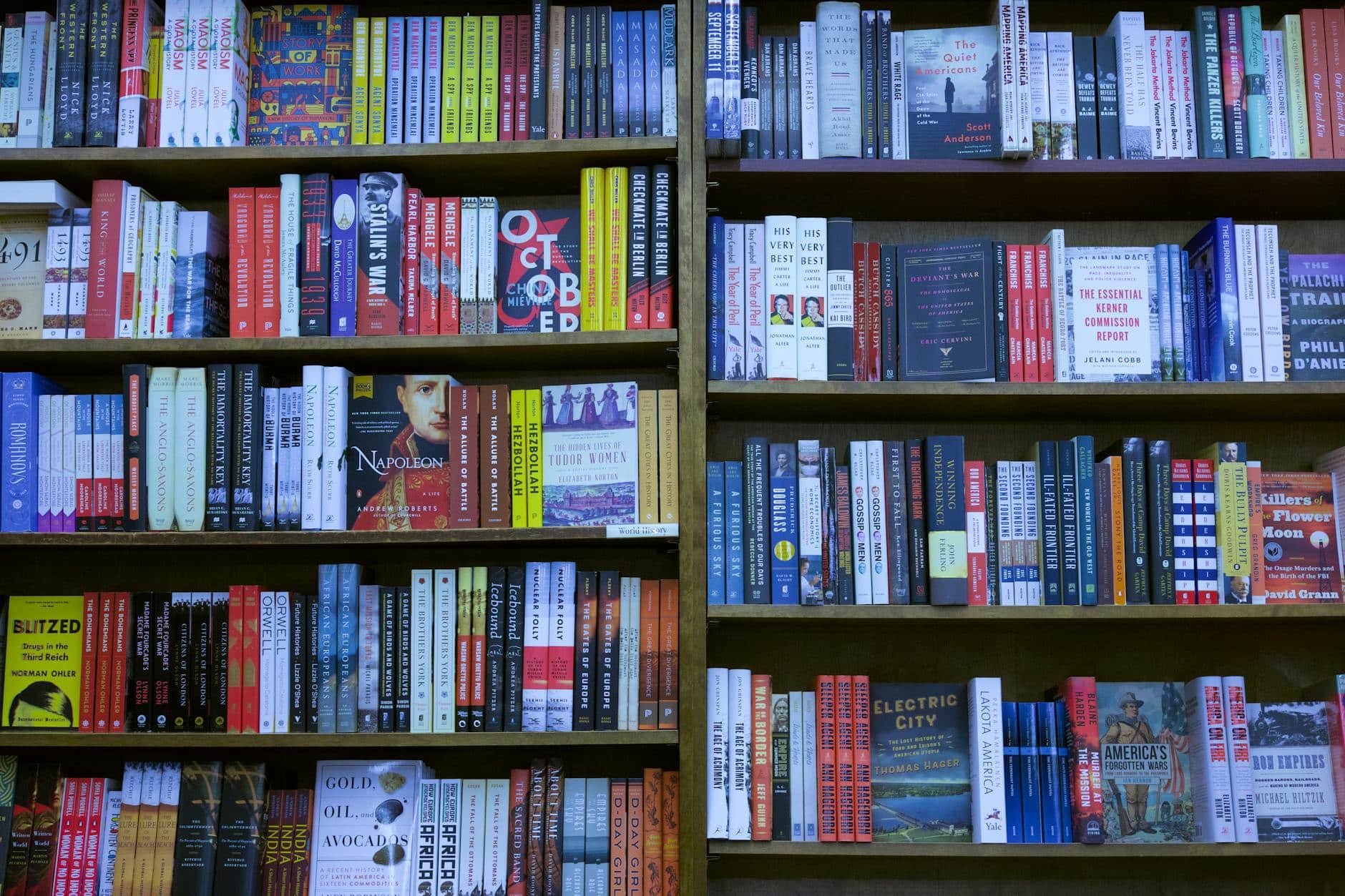
Many people confuse different literary forms and genres. This mix-up can lead to oversimplifications about what literature truly encompasses. The topic involves understanding the distinctions between various types of literature and their characteristics. After reading, you will be able to separate these categories more clearly.
Unlocking the Power of Storytelling
Literature encompasses various forms of prose, both written and oral, including fiction and non-fiction, drama, and poetry. It plays a significant role in influencing cultures, shaping societal values, and connecting people across different backgrounds through shared narratives.
The Impact on Everyday Life
Literature influences people's thoughts and actions daily. Whether through novels that spark empathy or poetry that evokes emotion, stories help us understand complex human experiences. They can inspire change, promote social justice, or provide an escape from reality. Literature serves as a mirror reflecting society’s values and challenges.
Why We Connect with Narratives
Humans have a natural affinity for stories. They provide a framework for understanding ourselves and others. Engaging narratives allow us to explore different perspectives and cultures, enhancing our empathy. Universal themes found in literature,such as love, loss, and conflict,resonate with readers, creating lasting connections.
Exploring Diverse Genres
Beyond Fiction and Non-Fiction
Literary genres are vast and varied. Fiction includes subgenres like fantasy, science fiction, romance, and horror, each offering unique experiences tailored to different audiences. Non-fiction serves to inform and educate through biographies, essays, journalism, and more. This diversity allows literature to cater to various interests while addressing real-world issues.
The Rise of Hybrid Forms
In recent years, hybrid forms of literature have emerged, blending genres to create innovative narratives. For instance, graphic novels combine visual art with storytelling while docufiction merges fact with fiction for compelling narratives. These new forms challenge traditional boundaries and invite readers to experience stories in fresh ways.
How It Works: The Mechanics of Literature
Structure and Style
The structure of a literary work refers to how it is organized; this includes elements like plot development and narrative techniques. Common structures include linear narratives that follow chronological order or non-linear narratives that jump between time frames. Style encompasses the author’s unique voice, including diction, tone, and the use of literary devices such as metaphors or symbolism.
Character Development Techniques
Character development is crucial for engaging storytelling. Techniques like characterization help readers connect with characters on a deeper level. Authors may use direct characterization,where the author explicitly describes a character,or indirect characterization,where characters reveal their traits through actions or dialogue. Well-developed characters add depth to the narrative.
The Role of Cultural Context
Influence of Society on Literary Forms
Literature reflects the cultural context in which it is created. Societal norms, values, and issues influence writers’ choices in themes and styles. For example, postcolonial literature often critiques colonialism’s effects on identity and culture. Understanding these contexts enriches readers’ interpretations of texts.
Global Perspectives in Local Narratives
Local narratives can offer global insights. Writers from diverse backgrounds bring unique perspectives that enrich the literary landscape. Their works may address universal themes while remaining grounded in specific cultural experiences. This interplay between local and global literature fosters cross-cultural dialogue.
Common Myths About Literature
Literature is Only for the Educated
Many believe literature is reserved for an elite group with advanced education. In reality, literature belongs to everyone; it can be enjoyed by people from all walks of life. Accessibility has improved with the rise of digital platforms offering diverse reading materials.
All Great Literature is Complex
Another myth suggests that only complex works qualify as great literature. While some celebrated texts feature intricate language or themes, many impactful works embrace simplicity and clarity. Stories resonate regardless of their complexity if they capture human experiences authentically.
The Evolution of Storytelling Mediums
From Oral Traditions to Digital Narratives
Storytelling has evolved significantly over time,from ancient oral traditions passed down through generations to today’s digital narratives available at our fingertips. Audiobooks and podcasts have made storytelling more accessible than ever, allowing people to engage with literature while multitasking.
The Future of Reading and Writing
As technology advances, so too does the way we read and write. E-books offer convenience while interactive fiction invites readers to participate actively in storytelling. The future holds endless possibilities for how we engage with literature as new mediums emerge.
The Significance of Literary Criticism
Understanding Different Perspectives
Literary criticism plays a vital role in analyzing texts from various angles,be it historical context or thematic exploration. Critics help readers deepen their understanding by providing insights into authors’ intentions and societal implications.
How Critiques Shape Public Perception
Criticism can shape public perception of literature; positive reviews can elevate lesser-known works while negative critiques may overshadow acclaimed ones. This influence underscores the importance of literary dialogue in promoting diverse voices within literature. In conclusion, literature serves as a powerful tool for connecting people across cultures while reflecting societal values and challenges. By understanding its forms and mechanics,and recognizing the influence of cultural contexts,we can appreciate the richness that storytelling brings to our lives.
Sources
- Outline of literature – Wikipedia
- www.collinsdictionary.com
- books.google.com
- en.wiktionary.org
- commons.wikimedia.org
- en.wikinews.org
- en.wikiquote.org
- en.wikisource.org
- en.wikibooks.org
- en.wikiversity.org
- www.ipl.org
Afterword
The confusion around literary forms and genres often stems from a lack of clarity in definitions. By focusing on the unique traits of each category, you can better appreciate the richness of literature.
Articles
- Comparative Literature: Exploring Global Literary Traditions
- Literary Criticism: Understanding Literature Through Evaluation and Interpretation
- History of Literature Across Eras and Cultures
- Overview of the Humanities: Key Disciplines and Concepts Explained
- Understanding Medical Humanities: An Interdisciplinary Approach to Health
- Latino Studies: Exploring Hispanic and Latino American Cultures and History
Days
- September 11: Marcos Day (Philippines)
- September 7: Buy a Book Day
- August 31: Limba Noastră (Moldova)
- August 30: Frankenstein Day
- August 27: The Duchess Who Wasn't Day
Why do you keep falling for the same type?
Read the article Lovemaps: the hidden blueprint of our love.
Did you not find what you were looking for? Let me help you find more.
