
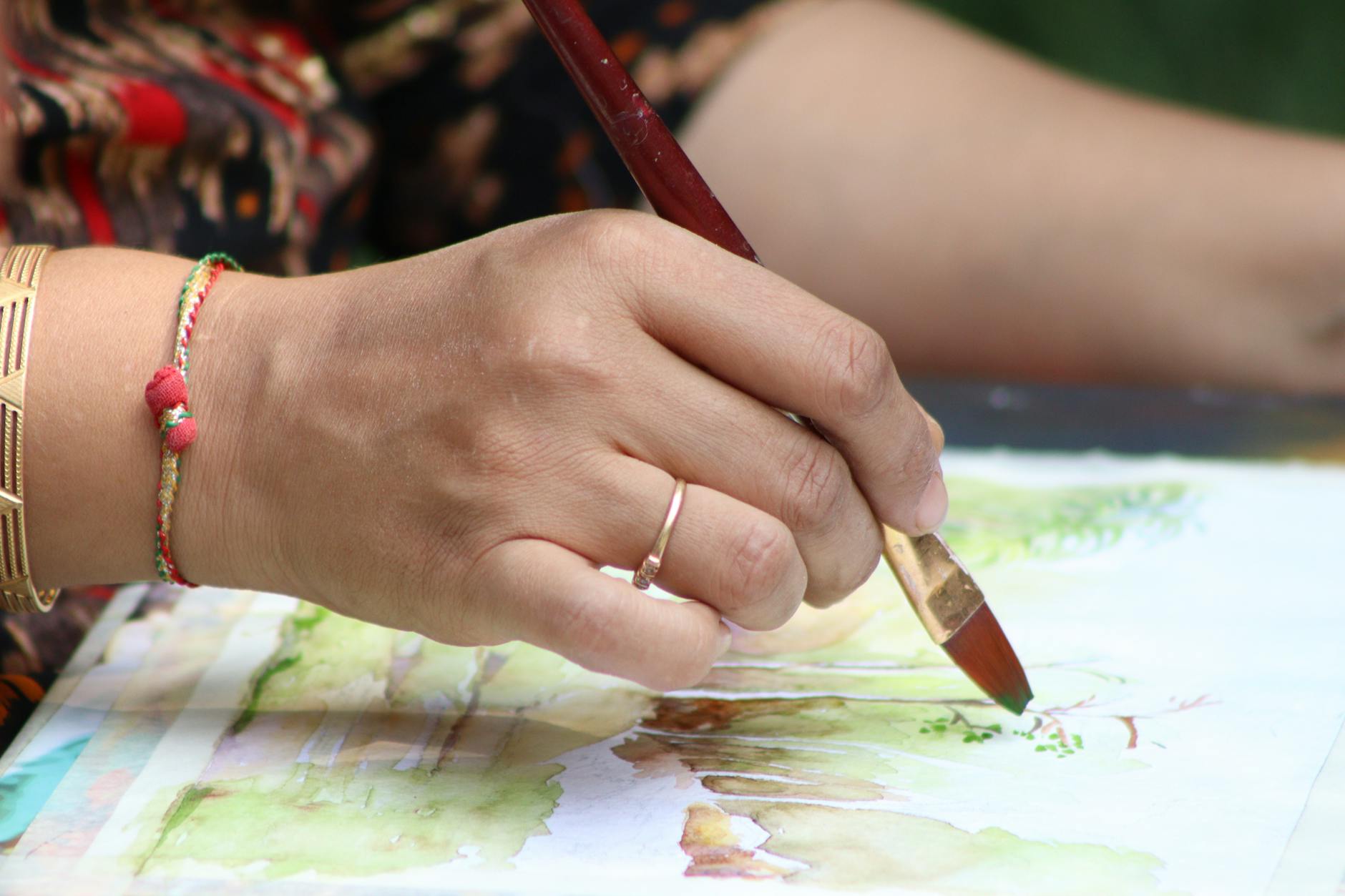
Many people confuse painting with just applying color to a surface. This oversimplification misses the depth of the practice. Painting involves various techniques and mediums that artists use to express their ideas. After reading, you'll have a clearer understanding of what sets different painting styles apart.
Understanding Painting: Techniques, Mediums, and Artistic Expression
Painting is a visual art form defined by the practice of applying paint, pigment, color, or other media to a solid surface. This practice allows individuals to convey emotions, ideas, and perspectives in ways that words cannot. Whether through personal expression or professional artistry, painting plays a significant role in diverse communities around the world.
Transforming Emotions into Art
Painting serves as an outlet for many individuals, allowing them to transform their emotions into tangible art. Engaging in painting often provides a release from stress and anxiety. Colors can evoke feelings; bright hues may instill joy while darker shades might express sorrow. This transformation of inner feelings into artwork can lead to profound personal insights. For many artists, creating art is not solely about aesthetics but also about storytelling. Each piece can narrate a journey or an experience unique to the artist. By sharing these stories through paintings, artists connect with others on emotional levels, fostering a sense of community and understanding.The Therapeutic Benefits of Painting
Numerous studies highlight the therapeutic benefits of painting. Engaging in this creative process can significantly reduce symptoms of mental health issues such as depression and anxiety. Various art therapy programs utilize painting to help individuals express their feelings non-verbally. The act of painting itself can be meditative. Focusing on colors and brush techniques encourages mindfulness, drawing attention away from worries and immersing oneself in the moment. This combination of creativity and mindfulness can lead to increased relaxation and improved emotional well-being.Beyond the Brush: Exploring Diverse Techniques
Layering and Blending for Depth
Techniques like layering and blending are essential in painting, creating depth and texture within artworks. Layering involves applying multiple coats of paint to achieve richness in color and dimension. Artists may use different brushes or tools to blend colors seamlessly, adding complexity to their work. For example, landscape painters capture the nuances of light across rolling hills; subtle changes in color can suggest time passing throughout the day. Mastery of layering and blending enhances visual appeal and elevates storytelling within the artwork.Innovative Approaches to Texture
Texture plays a crucial role in painting by adding tactile qualities that engage viewers on multiple levels. Artists often experiment with various materials to create unique textures. For instance, incorporating sand into paint can give a rough appearance while using palette knives instead of brushes can yield dramatic strokes. Mixed media techniques allow artists to combine traditional paint with unconventional materials like fabric or metal, resulting in innovative pieces that challenge perceptions of art. These experimental approaches invite audiences to explore beyond what they initially see.How it Works: The Science Behind Painting
The Role of Pigments and Binders
At its core, painting involves pigments suspended in binders that help adhere color to surfaces. Pigments are finely ground materials that provide color; they come from natural sources such as minerals or synthetic ones created in labs. Binders, like oil or acrylic resin, ensure that pigments stick to surfaces without flaking off. Understanding the properties of different pigments and binders allows artists to select suitable materials tailored to their desired effects, whether aiming for vibrant colors or subtle pastels.Understanding Drying and Curing Processes
The drying process is critical in determining how a painting will ultimately look. Different mediums have unique drying times influenced by factors such as humidity and temperature. For instance, oil paints take longer to dry than acrylics; this extended time allows artists more opportunities for blending but requires careful planning. Curing refers to the final hardening of paint layers after they dry. Proper curing ensures durability and helps maintain the integrity of colors over time, which is vital for artists who want their works preserved for future generations.Artistic Mediums: A World of Possibilities
Choosing the Right Medium for Your Vision
Artists have access to an extensive range of mediums when it comes to painting. From oil paints known for their richness and blending capabilities to watercolors that offer transparency and fluidity, each medium presents unique advantages. Choosing the right medium depends on an artist’s vision and technique preferences. Beginners may start with acrylics due to their ease of use and quick drying times, while more experienced painters might delve into oils for their depth and texture capabilities.Combining Techniques for Unique Effects
Many contemporary artists embrace mixed media approaches that combine various techniques for stunning results. For instance, watercolor might be layered over acrylics or combined with charcoal for striking contrasts. This blending showcases individual creativity while encouraging experimentation, pushing boundaries within traditional painting practices while expanding artistic expression.Common Myths About Painting Debunked
You Need Formal Training to Paint Well
One common misconception is that only those with formal training can create quality paintings. In reality, anyone can learn to paint regardless of background or education level. Many successful artists are self-taught or have explored informal learning avenues such as workshops or online courses. The beauty of painting lies in its accessibility; it invites people from all walks of life to experiment with colors and forms without fear of judgment.Only Certain People Can Be Artists
Another myth is that artistry requires innate talent; however, creativity is not limited by specific criteria or demographics. People possess unique perspectives shaped by their experiences; these insights fuel artistic expression across diverse communities. Many art movements celebrate inclusivity by highlighting works from underrepresented groups, proving that everyone has a voice worth sharing through art.The Impact of Technology on Artistic Expression
Digital Tools Enhancing Traditional Techniques
Technological advancements have transformed painting methods significantly over recent years. Digital tools allow artists to create stunning visuals on tablets or computers while maintaining traditional techniques’ essence. Software applications simulate various painting styles, enabling exploration without requiring physical materials,a boon for those new to painting who may hesitate due to costs associated with supplies.The Rise of Virtual Art Communities
Online platforms have fostered vibrant virtual art communities where artists connect globally, sharing tips, critiques, and inspiration regardless of geographical limitations. Social media has provided artists with unprecedented exposure while empowering them to showcase their work directly. These communities nurture collaboration and creativity among diverse individuals, reinforcing the notion that art transcends borders while celebrating unique voices worldwide.Embracing Your Inner Artist: Getting Started with Painting
Essential Supplies for Beginners
For those looking to dip their toes into painting, starting simple is key. Basic supplies include brushes, paints (acrylics are recommended), palettes for mixing colors, canvas or paper as surfaces, and an apron. Having these essentials readily available encourages experimentation without overwhelming beginners with excessive options, allowing them space to explore creativity at their own pace.Simple Projects to Spark Inspiration
Starting projects can range from simple watercolor landscapes or abstract pieces created using acrylics on canvas,encouraging beginners not solely focus on perfection but rather enjoy artistic exploration alongside growth as painters! Creating small goals fosters motivation while building confidence; whether capturing favorite scenes from nature or experimenting with different colors, the process should remain enjoyable! In conclusion, painting is an enriching practice that offers countless opportunities for expression across cultures worldwide. Embracing creativity opens doors not just within oneself but also within communities that celebrate diverse voices through shared experiences captured on canvas.Sources
- Painting – Wikipedia
- en.wiktionary.org
- www.merriam-webster.com
- web.archive.org
- www.cbc.ca
- www.nytimes.com
- ui.adsabs.harvard.edu
- doi.org
- pubmed.ncbi.nlm.nih.gov
- api.semanticscholar.org
- ui.adsabs.harvard.edu
Afterword
The observation about painting being merely about color application highlights a common misunderstanding. By exploring the techniques and mediums involved, you can appreciate the complexity and artistry that painting truly embodies.
Why do you keep falling for the same type?
Read the article Lovemaps: the hidden blueprint of our love.
Did you not find what you were looking for? Let me help you find more.
