
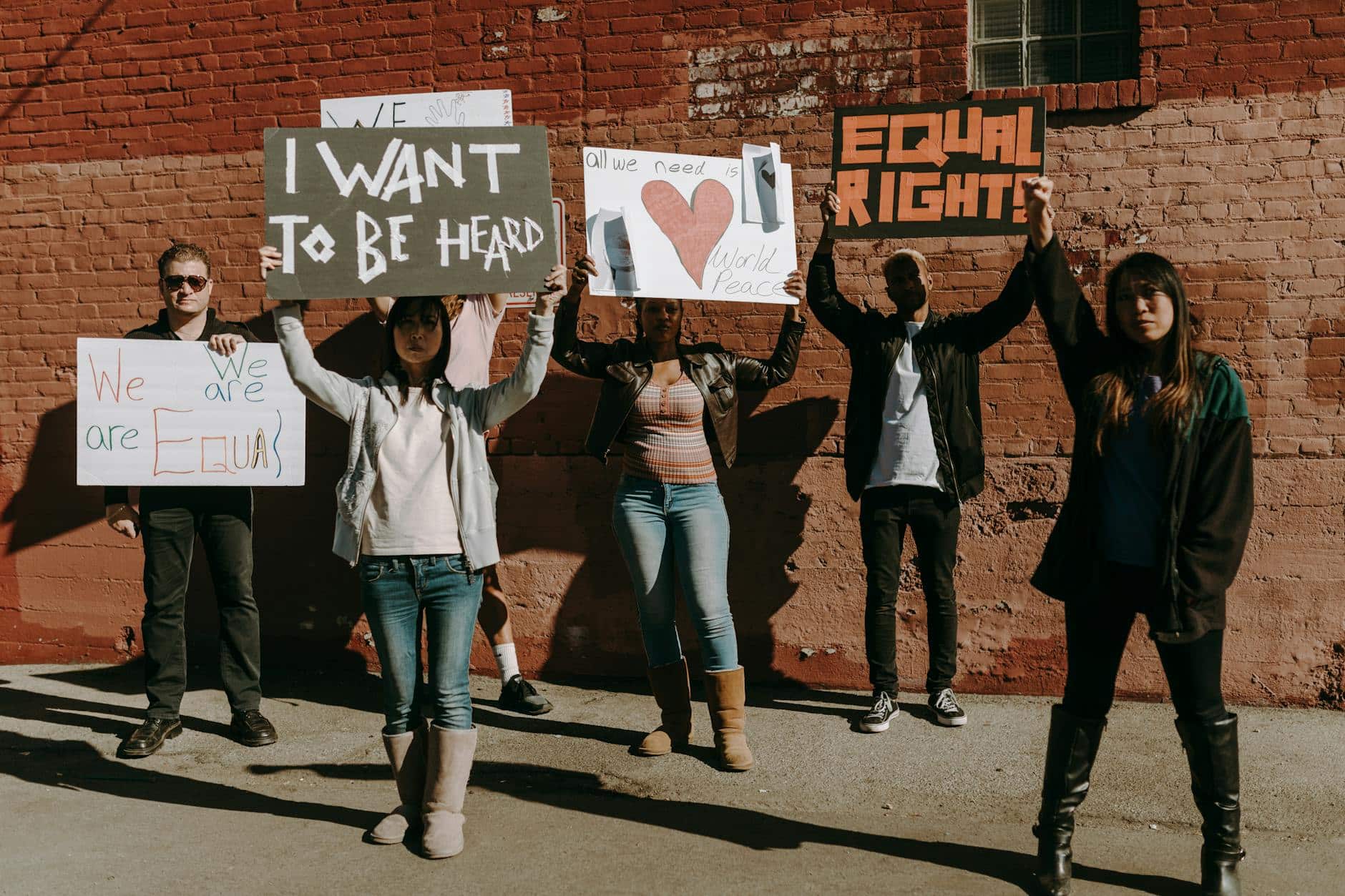
Many people think public humanities only serve academic interests. This view overlooks their role in community engagement. Public humanities often mix academic knowledge with local culture and history. After reading, you will see how these initiatives connect communities more clearly.
Why Public Humanities Matter Today
Public humanities engage diverse communities in reflecting on their heritage, traditions, and history, emphasizing the relevance of the humanities to contemporary civic and cultural life. This field is important because it fosters connections within communities and enhances appreciation for cultural and historical contexts. Through various programs and projects, public humanities make academic knowledge accessible and relevant to everyone.
Bridging the Gap Between Academia and Society
Public humanities serve as a bridge between academic scholarship and everyday life. Scholars collaborate with community members to bring academic insights into public conversations. This partnership transforms private knowledge into shared understanding, demonstrating how scholarship can inform civic engagement. The American Council of Learned Societies emphasizes that this integration benefits both scholarship and public discourse.
Empowering Communities Through Knowledge
Public humanities empower communities by making knowledge accessible. Programs often include exhibitions, lectures, and discussions that invite participation from all community members. These initiatives aim to enhance understanding of history and culture while encouraging individuals to share their narratives. By fostering inclusive dialogue, public humanities promote civic engagement, strengthening community ties.
How It Works: The Mechanics of Public Humanities
Collaborative Projects and Partnerships
Public humanities thrive on collaboration among universities, nonprofits, and community organizations. These partnerships create projects that reflect local histories and cultures. Many institutions run oral history projects that collect and preserve personal stories from diverse groups within a community, ensuring multiple perspectives are represented.
Interactive Learning Experiences
Interactive learning experiences are central to public humanities. Workshops may engage participants in hands-on activities related to local history or culture, such as traditional crafts or storytelling techniques. These experiences not only educate but also strengthen community bonds as people learn from one another.
Engaging Diverse Audiences
Tailoring Content for Different Communities
To effectively reach various audiences, public humanities initiatives tailor their content to meet the specific interests and needs of different groups. This may involve creating programs for schools that align with educational standards or designing events that cater to specific cultural backgrounds within a community. By being responsive to local contexts, these initiatives foster greater engagement.
Utilizing Technology for Broader Reach
Technology plays a vital role in expanding the reach of public humanities projects. Digital platforms enable organizations to share resources widely through podcasts, social media, and online exhibitions. Virtual tours of historical sites can make cultural heritage accessible to those unable to visit in person, engaging younger audiences who prefer digital interactions.
Common Misconceptions About Public Humanities
It’s Only for Academics
A common misconception is that public humanities are only relevant to academics or scholars. In reality, these initiatives prioritize community involvement and seek input from everyday people. They aim to democratize knowledge by ensuring that everyone has a voice in shaping cultural narratives.
Public Humanities Are Just About Art and Culture
Another misunderstanding is that public humanities focus solely on art and culture. While these aspects are important, the field encompasses a wide range of topics including history, philosophy, social issues, and civic engagement. Public humanities address contemporary challenges by connecting past experiences with current realities.
The Impact on Local Communities
Fostering Civic Engagement
Public humanities have a direct impact on local communities by fostering civic engagement. When people participate in discussions about their shared history or cultural practices, they develop a sense of ownership over their community's narrative. This involvement often leads to increased activism on social issues as individuals become more aware of their rights and responsibilities.
Enhancing Cultural Awareness and Appreciation
Through public humanities initiatives, communities gain enhanced cultural awareness and appreciation. Programs that celebrate local traditions or highlight underrepresented voices help cultivate respect for diversity. As people learn about different cultures within their communities, they become more empathetic and open-minded.
The Future of Public Humanities Initiatives
Innovations in Community Collaboration
The future of public humanities lies in innovative approaches to community collaboration. New models may emerge that integrate technology with traditional methods of engagement, leading to dynamic interactions between scholars and community members while enhancing the quality of cultural programming.
Sustainability and Long-Term Goals
Sustainability is crucial for the longevity of public humanities projects. Organizations must seek sustainable funding sources while establishing long-term partnerships with the communities they serve. By focusing on sustainable practices, public humanities can continue enriching lives through education and engagement.
Getting Involved: How You Can Contribute
Participating in Local Projects
Individuals interested in contributing to public humanities can start by participating in local projects or events. Many communities welcome volunteers for workshops or outreach initiatives aimed at preserving local culture or history. Engaging directly with these efforts benefits both the community and the individual through active participation.
Advocating for Public Humanities Funding
Advocacy is another way individuals can support public humanities initiatives. Encouraging local governments or educational institutions to fund these programs ensures they continue thriving in the future. Raising awareness about the importance of public humanities can mobilize support from various stakeholders who recognize its value.
In summary, public humanities play an essential role in connecting people with their cultural heritage while promoting civic engagement among diverse communities. By actively participating in these initiatives or advocating for their support, individuals can contribute significantly to enriching public life.
Sources
- Public humanities – Wikipedia
- humanities.unc.edu
- humanitiesforall.org
- ncph.org
- www.amacad.org
- inclusivehistorian.com
- www.neh.gov
- www.cambridge.org
- archives.acls.org
- archives.acls.org
- ncph.org
Afterword
The observation highlights a common misunderstanding about public humanities. By focusing on their community engagement aspect, the discussion clarifies their broader impact. This connection between academia and local culture is essential for fostering civic engagement. Understanding this will help you appreciate the value of public humanities in your community.
Articles
- Humanities Colleges: Specialist Schools in the UK Education System
- Key Humanities Journals for Academic Study and Research
- Moscow University for the Humanities Overview and Translation Guidance
- British Humanities Index: Comprehensive Database for Humanities Literature
- The Study of Humanities in the United States: Overview and Importance
- Environmental Humanities: Exploring Culture, Nature, and Climate Issues
Why do you keep falling for the same type?
Read the article Lovemaps: the hidden blueprint of our love.
Did you not find what you were looking for? Let me help you find more.
