
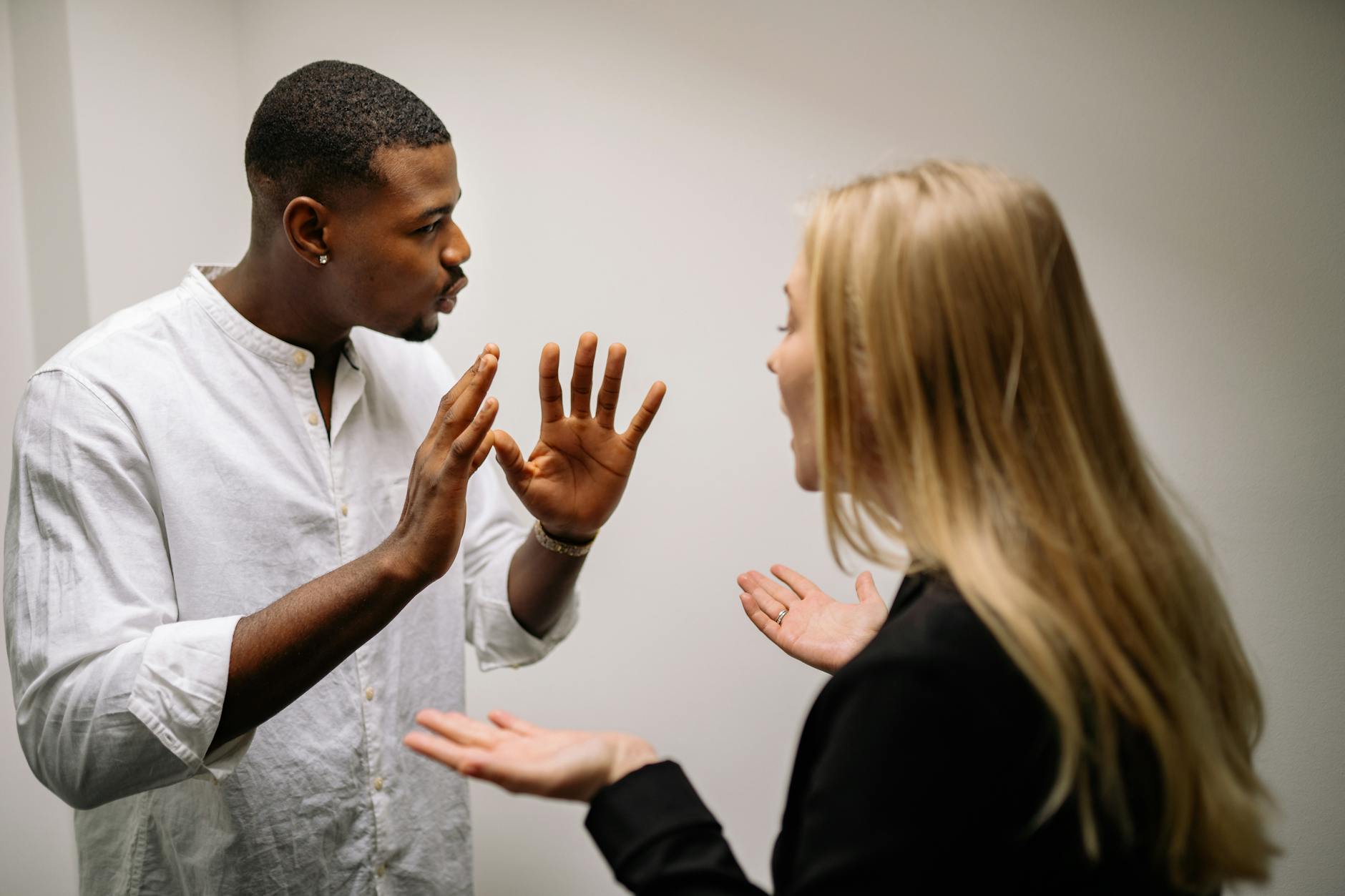
Many people confuse relationship stereotypes with healthy expectations. This mix-up can lead to stress and dissatisfaction in partnerships. Relationship stereotypes often shape how love and partnership are perceived. After reading, the reader will better distinguish between harmful stereotypes and healthy relationship norms.
Breaking the Mold: Rethinking Relationship Norms
Relationship stereotypes shape how people perceive love and partnership, often leading to unrealistic expectations and unhealthy dynamics. These widely held beliefs about how couples should behave can create pressures that result in stress and dissatisfaction in relationships. Challenging these ideas is crucial for fostering healthier, more fulfilling connections.
The Impact of Stereotypes on Our Lives
Stereotypes about relationships often arise from societal and cultural influences. Traditional gender roles suggest that men should be dominant while women should be submissive. Such beliefs can be so ingrained that they persist even among couples who consciously reject them. Research indicates that women perform a significant portion of the world’s unpaid labor, which can negatively impact their mental well-being.
Why It Matters to Challenge These Ideas
Understanding the origins of these stereotypes is key to breaking free from them. Childhood experiences play a significant role in shaping what individuals consider normal in relationships. If someone grows up in an environment marked by unhealthy dynamics, they may carry those patterns into their adult relationships.
Moreover, media portrayals often reinforce unrealistic relationship ideals. Films and television shows frequently depict romanticized versions of love that overlook daily challenges couples face. This narrow view can normalize harmful behaviors or lead individuals to believe that their experiences are inadequate compared to fictional standards.
Common Misconceptions About Love and Partnership
Love Means Sacrifice: The Caretaker Myth
A common stereotype suggests that women must be the caretakers in relationships, responsible for both children and partners. This expectation leads many women to shoulder the burden of domestic work and emotional labor, resulting in burnout. When women feel unappreciated or overwhelmed, it can hinder their personal growth and well-being.
Passion Equals Drama: The On-and-Off Cycle
The belief that on-and-off relationships are exciting is misleading. While society often glamorizes these turbulent partnerships, they can become toxic over time. The cycle of breaking up and making up creates a false sense of satisfaction driven by temporary emotional highs, ultimately leaving individuals unfulfilled.
How It Works: The Psychology Behind Stereotypes
Social Conditioning and Its Effects
Society conditions individuals to accept certain behaviors as normal through cultural narratives and upbringing. Many people unconsciously replicate patterns they witnessed during childhood, leading to cycles of unhealthy dynamics in their own relationships.
The Role of Media in Shaping Perceptions
Media has a profound impact on how relationships are perceived. It often portrays an idealized version of love that emphasizes grand gestures while neglecting everyday issues couples experience. This portrayal can lead people to internalize harmful stereotypes about what constitutes a successful relationship.
Myth-Busting: What We Get Wrong About Relationships
Monogamy Is Not the Only Path
The notion that monogamous relationships are the only viable option overlooks the reality of diverse relationship structures. Many individuals find fulfillment in open or polyamorous relationships; however, societal pressure can lead them to feel guilty or ashamed about their choices.
Equal Contribution Isn’t Always Necessary
The belief that all contributions must be equally divided can create unnecessary strain within partnerships. Couples should focus on what works best for them rather than adhering to rigid standards of equality.
Redefining Healthy Relationships: A New Perspective
Embracing Individuality Within Partnerships
A healthy partnership allows each person to maintain their individuality while supporting one another. Couples should foster environments where both partners feel free to express their needs and desires without fear of judgment or backlash.
Communication as the Cornerstone of Connection
Open communication is vital for building strong connections. Partners should feel comfortable discussing expectations and boundaries, ensuring both individuals have their needs met without resorting to harmful stereotypes.
Practical Tips for Creating Your Own Relationship Norms
Identifying Personal Values and Needs
Each relationship is unique; thus, identifying personal values is essential. Reflecting on what matters most helps partners establish a foundation based on mutual understanding and respect.
Setting Boundaries and Expectations Together
Discussing boundaries openly fosters trust and understanding between partners. Establishing clear expectations ensures both individuals feel secure in their relationship roles without falling prey to damaging stereotypes.
Conclusion: The Future of Relationships is Fluid
The Importance of Flexibility and Growth
The landscape of relationships is ever-evolving, and flexibility is essential for navigating its complexities. By challenging harmful stereotypes, couples can redefine what love means for them, creating bonds rooted in mutual respect, understanding, and authenticity.
A healthy relationship does not follow a set formula but instead adapts to the unique dynamics between two people striving for happiness together. Recognizing this fluidity allows partners to cultivate fulfilling connections without being constrained by outdated norms.
Sources
- 9 Problematic Relationship Stereotypes We Need to Stop Normalizing
- www.luvbites.co
- www.linkedin.com
- www.therapywithgayane.com
- doi.org
- doi.org
Afterword
Challenging relationship stereotypes is crucial for fostering healthier connections. By recognizing these stereotypes, individuals can work towards more fulfilling partnerships that reflect their true values and needs.
Articles
- Understanding Parasocial Relationships and Their Impact on Emotions
- History of Religion: Overview of Major Beliefs and Founding Figures
- History of Anthropology: Key Concepts and Research Frameworks
- Understanding Cultural Systems in Sociology and Their Key Elements
- Freud's Views on Women: Controversies in Feminine Psychology
- Understanding Sexual Sadism Disorder: Symptoms, Causes, and Treatment
Days
- September 12: Police Woman Day (United States)
- August 31: Love Litigating Lawyers Day
- August 26: Redhead Day
Why do you keep falling for the same type?
Read the article Lovemaps: the hidden blueprint of our love.
Did you not find what you were looking for? Let me help you find more.
