
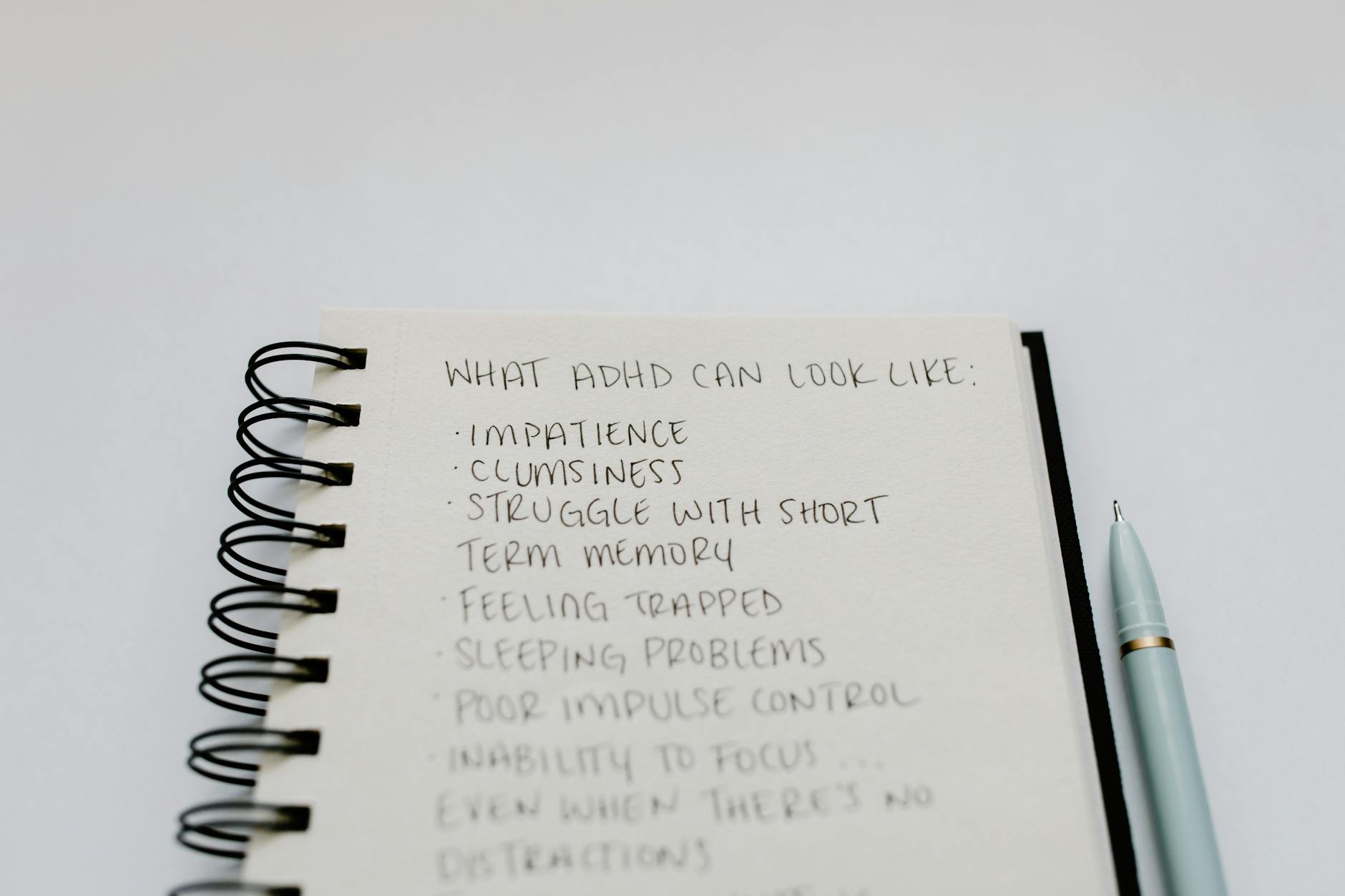
Many people think forgetfulness is just a normal part of life. However, for those with ADHD, it can be a significant barrier. Forgetfulness in ADHD often leads to missed tasks and appointments. This article will help clarify the differences between typical forgetfulness and that associated with ADHD.
Understanding forgetfulness in ADHD
Everyone forgets things sometimes. But for those with Attention Deficit Hyperactivity Disorder (ADHD), forgetfulness can interfere with daily routines and complicate life more deeply. In ADHD, forgetfulness means frequently struggling to hold on to tasks or information that should be easy to remember.
The impact on daily activities
Forgetfulness touches many parts of daily life for people with ADHD. They might miss appointments or leave tasks unfinished. This often leads to frustration and can strain relationships or responsibilities. Forgetting important details can create a loop of stress and anxiety, making things feel even harder.
Real-Life examples of forgetfulness
Imagine someone starting to boil water for pasta, then walking away and forgetting it entirely. That’s a common experience for people with ADHD. They might also misplace items they just had or forget parts of conversations moments after they happen. Interestingly, they can still recall things like historical facts or poems with surprising clarity.
What is ADHD?
ADHD, or Attention Deficit Hyperactivity Disorder, is a brain-based condition that affects how people regulate attention and control impulses. It’s not just a childhood issue—it affects adults too, often making everyday tasks more challenging.
A brief overview of the condition
People with ADHD often show symptoms like difficulty focusing, restlessness, and acting without thinking. These signs can disrupt work, school, and personal relationships. Getting to know ADHD better helps us support those living with it.
Common misconceptions about ADHD
There are plenty of myths about ADHD. Some believe it only affects kids or that it’s just about willpower. In truth, ADHD is a complex condition that calls for understanding and the right kind of care.
How it functions: the science behind forgetfulness
To grasp forgetfulness in ADHD, it helps to look at how working memory and brain activity play their parts.
The role of working memory
Working memory is like a mental sticky note—it holds onto information just long enough to use it. For example, it helps you remember why you walked into a room even if your mind is elsewhere. When working memory doesn’t work well, people forget appointments or details from conversations more easily.
Neurobiological factors at play
Studies show that people with ADHD often have weaker alpha wave activity when forming and recalling memories. These brain waves help filter out distractions, so when they’re less effective, it’s tougher to focus and remember clearly.
Common myths about forgetfulness and ADHD
Clearing up myths about ADHD-related forgetfulness can reduce stigma and improve how we support those affected.
Myth 1: forgetfulness means you're not trying hard enough
Many assume forgetting things is a sign of laziness or lack of effort. But forgetfulness in ADHD comes from how the brain works, not from not caring or trying.
Myth 2: all people with ADHD are disorganized
While some with ADHD struggle with organization, it’s not a universal truth. Many develop clever ways to keep their lives on track despite their challenges.
Strategies for managing forgetfulness
There are practical ways to handle forgetfulness that can make life smoother for people with ADHD.
Practical tools and techniques
Apps for notes, sticky reminders, planners, and checklists can be lifesavers. Setting alarms helps keep important tasks in focus and prevents things from slipping away unnoticed.
Creating a supportive environment
Making the space around you work better can help concentration. This might mean clearing clutter, having a dedicated spot for everyday items like keys, or building routines that bring a sense of order.
The importance of seeking help
When forgetfulness starts to take over daily life, getting professional advice can make a big difference.
When to consult a professional
If forgetting things causes serious stress or disrupts your life, it’s time to talk to a healthcare provider. They can tailor strategies that fit your unique situation.
Available treatment options
Treatment for ADHD might include therapy, medication, or lifestyle changes like exercise and diet. The best approach depends on the individual’s needs and strengths.
Looking ahead: research and future directions
Scientists are still learning how ADHD affects memory, opening doors to better support down the road.
Emerging studies on memory and ADHD
Recent research digs into how memory works differently for people with ADHD compared to those without it. These insights could lead to improved treatments.
The potential for new interventions
As we understand more about the brain’s role in ADHD, new methods to help manage symptoms are likely to appear, aiming to boost quality of life.
In short, forgetfulness is a key part of ADHD that affects many areas of life. Knowing where it comes from helps us find better ways to handle it and busts some common myths along the way.
Sources
- ADHD Symptom Spotlight: Forgetfulness
- www.frontiersin.org
- www.ncbi.nlm.nih.gov
- www.researchgate.net
- pubmed.ncbi.nlm.nih.gov
- pubmed.ncbi.nlm.nih.gov
Afterword
Forgetfulness is a common issue, but in ADHD, it has deeper implications. Understanding this distinction can lead to better support and strategies for those affected.
Articles
- ADHD in Children: Understanding Symptoms, Types, and Treatment Options
- Alzheimer's: Symptoms, Diagnosis, and Treatment
Why do you keep falling for the same type?
Read the article Lovemaps: the hidden blueprint of our love.
Did you not find what you were looking for? Let me help you find more.
