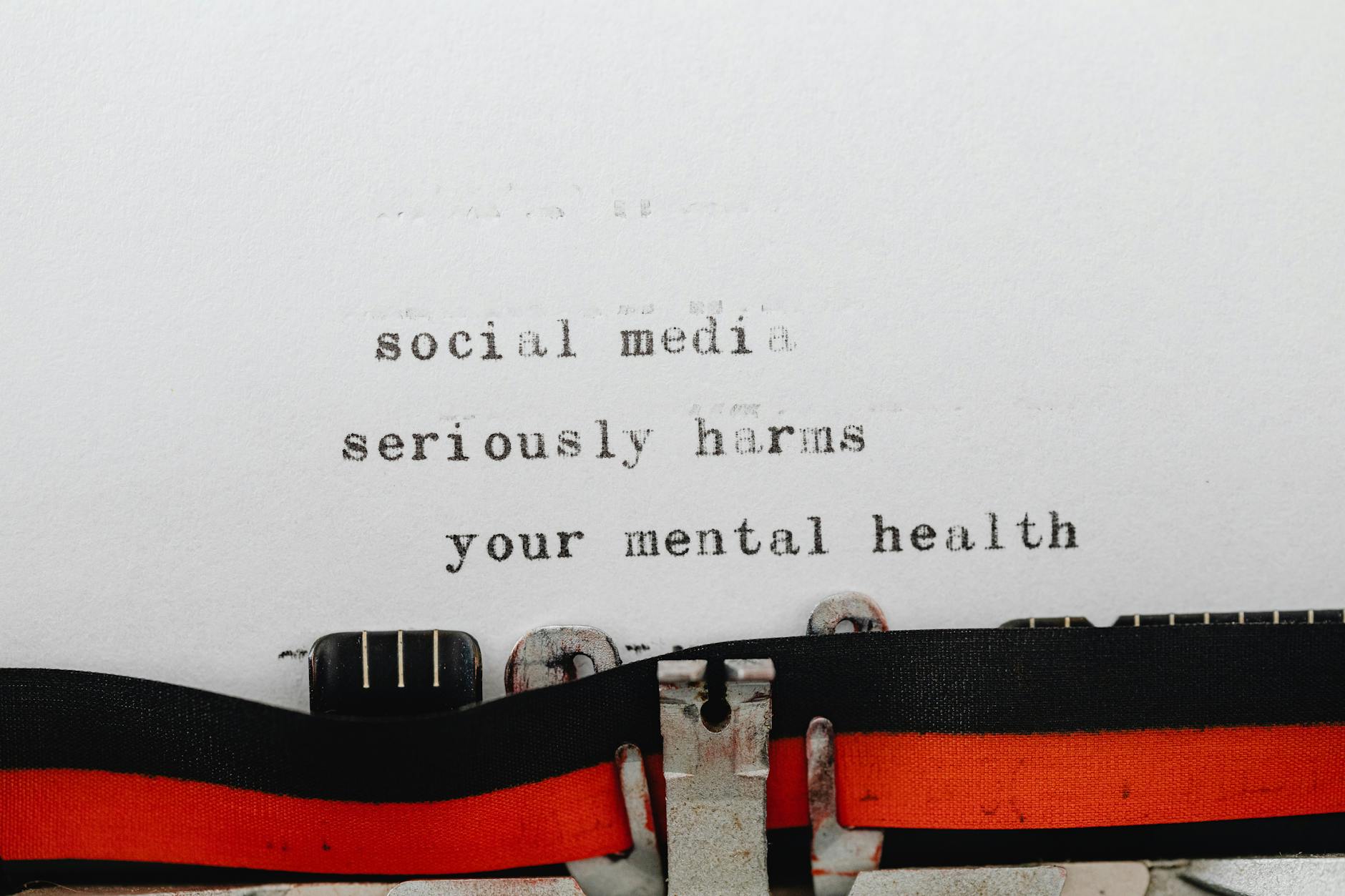
Fexting is often seen as just another way to communicate. Many people overlook how it can escalate conflicts in relationships. Fexting involves arguing through text messages, which can lead to misunderstandings and emotional strain. After reading, you will better distinguish the effects of fexting on your interactions.
The Impact of Fexting: How Text Arguments Harm Relationships
Fexting, or fighting over text, has become a widespread problem in today’s relationships. This type of communication can cause misunderstandings and emotional stress, affecting both friendships and romantic relationships. Because text messages lack vocal tone and body language, conflicts often worsen, making it hard to express true feelings.
What Exactly Counts as Fighting over Text?
Fexting means arguing through text messages. It can intensify feelings of anger or hurt since texts don’t include the non-verbal signals we rely on in face-to-face talks. A clear sign that a text argument is starting is when someone feels physical anxiety symptoms, like a racing heart or sweaty hands, while typing.
Texting is limited in expressing complex emotions. When replies get longer and more detailed, it often means the conversation has turned into an argument. Also, using harsh words or typing in all caps can signal rising conflict.
Why Fighting over Text Can Become an Issue
Arguments over text can cause several problems:
- No Vocal Tone: Text messages lack vocal inflection, so it’s easy to misinterpret the meaning. Sarcasm might be taken as an insult without the tone to clarify.
- Miscommunication: Quick texting can cause people to miss important details in each other’s messages. Strong emotions can cloud judgment and make conflicts worse.
- No Body Language Cues: In-person talks include physical signals that help express feelings. Without these, misunderstandings can grow without either person realizing the other’s distress.
The Emotional Toll of Textual Conflicts
Feelings in a Vacuum
When arguments happen over text, emotional context often gets lost. Without vocal tone or facial expressions, messages can be misunderstood easily. For example, sarcasm might come across as an insult, causing the conflict to escalate.
This lack of emotional clarity can leave both people feeling isolated. The delay in feedback extends misunderstandings and increases frustration.
The Stress of Misunderstandings
Miscommunication is a major cause of stress in digital arguments. Rapid exchanges may mean people don’t fully read or understand each other’s messages. As emotions run high, it becomes harder to express thoughts clearly, leading to bigger conflicts.
This cycle can quickly get out of control; the more upset someone gets, the less likely they are to communicate well or see the other person’s point of view.
How to Avoid Text Arguments
To reduce the negative impact of fexting, try these tips:
- Pause Before Responding: Take a moment to breathe before replying; this helps you think more clearly.
- Avoid All-Caps Messages: Writing in all capital letters can seem like shouting; keep your tone calm instead.
- Switch to Voice or Video: When possible, suggest moving the conversation to a call or video chat where emotions are easier to read.
When Fexting May Be Appropriate
While fighting over text is usually not recommended, there are some cases where it might be necessary:
- Documentation Needs: In situations involving emotional abuse or harassment, keeping written records can be important for legal reasons. However, it’s best to avoid further engagement if mistreatment happens.
- Established Relationships: Long-term friends or partners who have strong communication skills may handle text arguments better than those in new relationships.
The Ripple Effect: Consequences Beyond the Screen
The effects of fexting reach beyond just the people involved; it can affect social groups and family relationships. Friends and relatives might choose sides based on text conflicts without knowing the full story. This can cause lasting divisions long after the argument ends.
Additionally, frequent fexting can contribute to wider mental health problems like increased anxiety and depression caused by ongoing tension and unresolved disputes.
The Future of Communication: Adapting to Change
As digital communication keeps evolving, it’s important to understand its limits for handling conflicts well. Future technologies might provide better ways to express emotions through advanced digital tools. Ultimately, developing healthy communication habits, both online and offline, will be essential for managing conflicts and maintaining strong relationships in our increasingly digital world.
Sources
Afterword
Fexting can create significant challenges in communication. The lack of vocal tone and body language often leads to misinterpretations, making it hard to resolve conflicts effectively. Understanding these dynamics can help improve your texting habits and relationships.
Why do you keep falling for the same type?
Read the article Lovemaps: the hidden blueprint of our love.
Did you not find what you were looking for? Let me help you find more.