
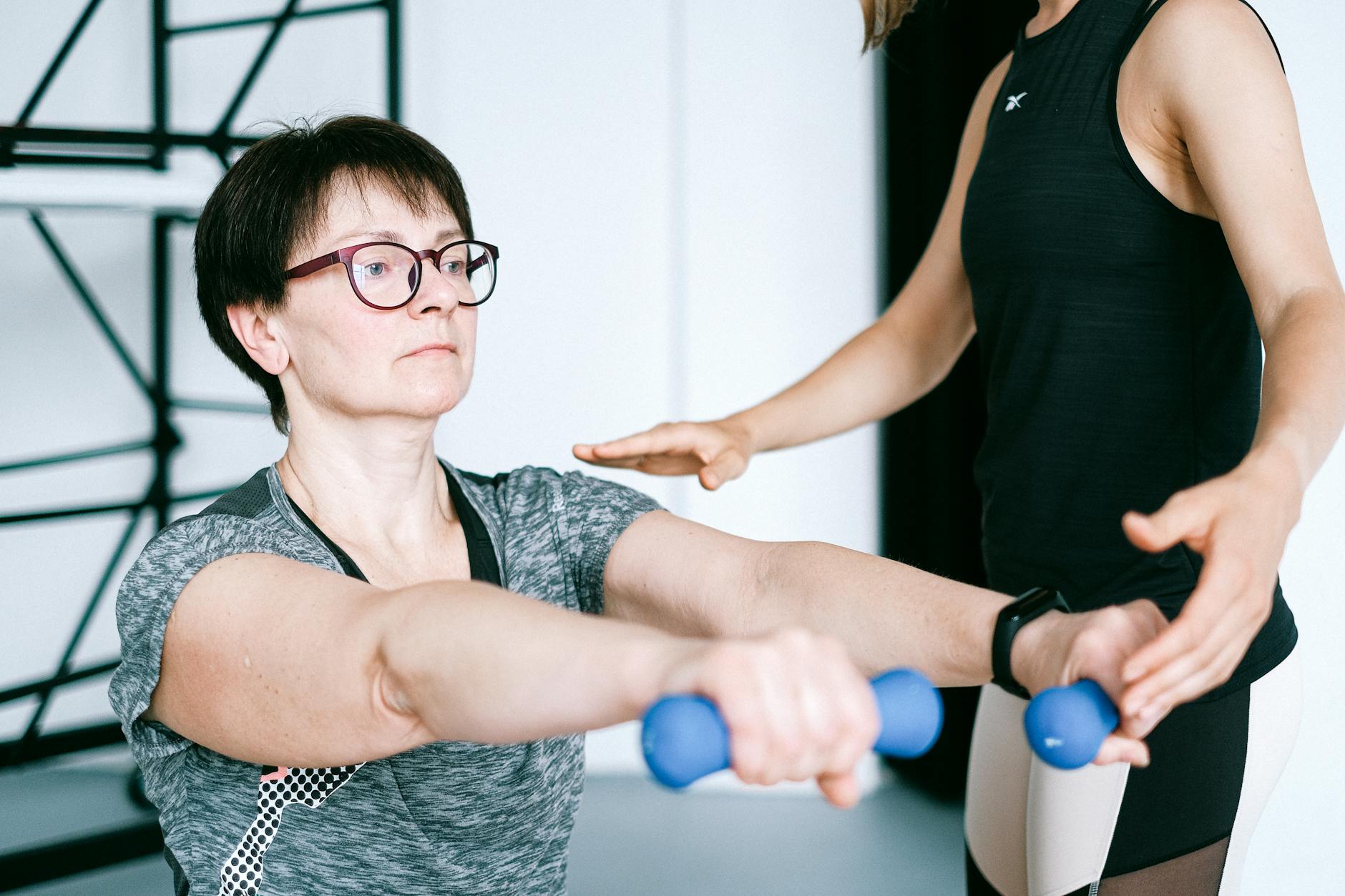
Unlocking Your Potential: The Power of Movement
Exercise is any physical activity that enhances or maintains physical fitness, overall health, and wellness. It is essential for improving mental health, reducing the risk of chronic diseases, and enhancing quality of life for people of all ages.
Why Exercise Matters in Daily Life
Regular exercise plays a vital role in daily life. It helps maintain a healthy weight, strengthens muscles, and improves cardiovascular health. Exercise can also boost mental well-being by releasing endorphins, which act as natural mood elevators. Incorporating physical activity into your routine can help manage stress and improve sleep quality.
Immediate Benefits You Can Feel
Engaging in physical activity provides immediate benefits. Many people report feeling more energized after just a short workout. Additionally, exercise can enhance focus and concentration. Even a brief walk or a few minutes of stretching can lead to improved mood and reduced feelings of anxiety.
Understanding the Science of Exercise
The Physiology of Movement
Understanding how our bodies respond to exercise is essential for maximizing its benefits. When we engage in physical activity, our heart rate increases, delivering more oxygen to our muscles. This process improves endurance and aids in muscle repair and growth.
How Your Body Adapts to Training
With regular exercise, your body undergoes several adaptations. Muscles grow stronger and become more efficient at using oxygen, while bones increase in density. The cardiovascular system also improves; your heart pumps more blood with each beat, making daily activities easier to perform without fatigue.
How It Works: The Mechanics of Exercise
Energy Systems in Action
Your body uses different energy systems depending on the intensity and duration of the activity. For short bursts of energy, like sprinting, the body relies on adenosine triphosphate (ATP) and creatine phosphate stored in the muscles. For longer activities, such as jogging or cycling, aerobic metabolism uses oxygen to convert carbohydrates and fats into energy.
The Role of Muscles and Joints
Muscles contract to produce movement while joints allow for flexibility and range of motion. Strong muscles support joints and help prevent injuries during physical activity. Each joint has a specific role, whether it allows rotation or supports weight-bearing movements.
Common Myths About Fitness and Exercise
Debunking Popular Misconceptions
Many myths surrounding fitness can discourage people from exercising. For example, some believe that lifting weights will make women bulky. In reality, strength training helps build lean muscle mass and boosts metabolism without excessive bulk. Another common misconception is that you must spend hours at the gym to see results. Shorter workouts with higher intensity can be just as effective for improving fitness levels.
The Truth Behind “No Pain, No Gain”
The saying "no pain, no gain" can be misleading. While some discomfort is normal during intense workouts, pain may indicate injury or overexertion. It's crucial to listen to your body and allow time for recovery to avoid setbacks.
Designing Your Personalized Workout Plan
Setting Realistic Goals
Setting achievable fitness goals is essential for success. Start with specific objectives that are measurable and time-bound. Whether it's walking 10 minutes a day or completing a certain number of workouts per week, clear goals provide motivation.
Finding Activities You Enjoy
Choosing workouts you enjoy increases the likelihood you’ll stick with them long-term. Explore different activities like swimming, cycling, dancing, or group classes until you find what resonates with you. Enjoyment makes exercise feel less like a chore and more like a rewarding part of your routine.
Navigating Challenges in Your Fitness Journey
Overcoming Plateaus and Setbacks
It’s common to face plateaus where progress stalls. To overcome this challenge, try changing your routine by varying exercises or increasing intensity. Setting new goals can also reinvigorate your motivation. Setbacks due to illness or injury are also part of many fitness journeys. Use these times for rest and recovery; coming back stronger often leads to greater gains.
The Importance of Rest and Recovery
Rest days are vital in any workout regimen as they allow muscles to recover and grow stronger. Incorporate active recovery techniques such as light stretching or yoga on rest days to maintain flexibility without overexertion.
The Future of Fitness: Trends to Watch
Technology and Innovation in Workouts
Technology continues to shape the future of fitness through apps and wearables that track progress and personalize workouts. These innovations help people stay motivated by providing real-time feedback on performance. Virtual classes have also gained popularity; they offer accessibility to expert trainers from home while allowing social interaction through online communities.
Sustainable Practices for Long-Term Health
Sustainability is becoming increasingly important in fitness culture. People are now more aware of incorporating eco-friendly practices into their routines, such as using reusable water bottles or choosing outdoor workouts that connect them with nature. In conclusion, exercise is not just about physical appearance; it’s about enhancing overall health and well-being throughout life’s journey. By understanding how our bodies work through movement, setting realistic goals, enjoying activities that bring us joy, navigating challenges effectively, embracing innovation, and prioritizing sustainability, we unlock our potential for a healthier future.
Sources
- Exercise, Workout, and Fitness Center: Yoga, Cardio, Strength Training, and More
- policies.google.com
- policies.google.com
Articles
- Resting Strategies for Individuals with ADHD: A Guide
- Substance Abuse and Addiction Treatment Health Center
- Septic Arthritis: Causes, Symptoms, Diagnosis, and Treatment Guide
- The Role of the Parasympathetic Nervous System in Mental Health
- Understanding Intrusive Thoughts and How to Manage Them
- Sarah Beran: Fashion Stylist and Advocate for Colon Health Awareness
Days
- September 9: Sudoku Day
- September 8: Physical Therapy Day
- September: Self Improvement Month (United States)
- September: Happy Cat Month
- August 30: Holistic Pet Day
Why do you keep falling for the same type?
Read the article Lovemaps: the hidden blueprint of our love.
Did you not find what you were looking for? Let me help you find more.
