
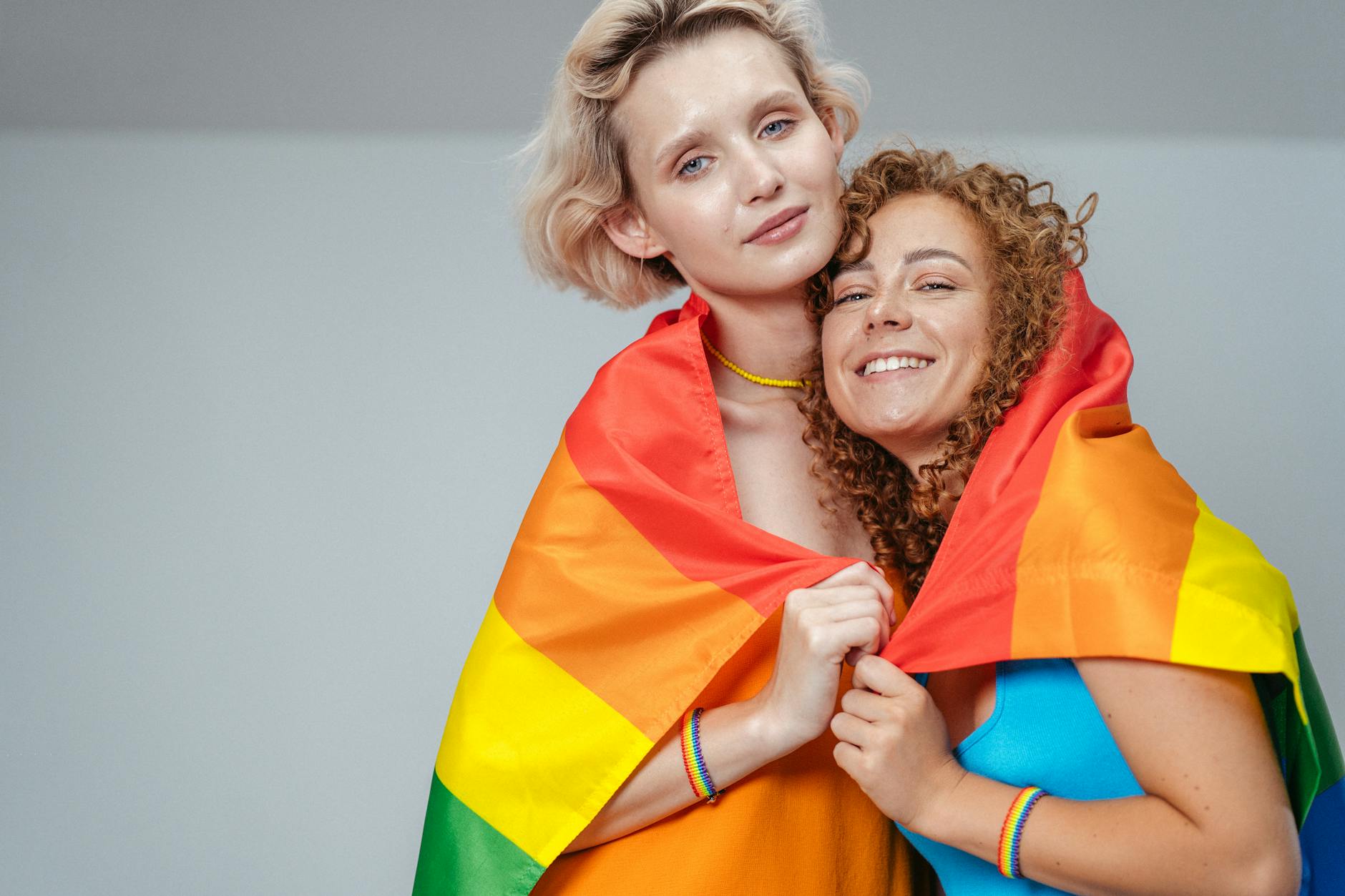
Making a Difference: Everyday Actions You Can Take
Small Steps, Big Impact
Many people want to support the LGBTQIA+ community but feel unsure about how to start. Attending local Pride events can be a powerful act of support, demonstrating solidarity and commitment to inclusivity. Supporting the LGBTQIA+ community is essential for fostering understanding among all people. Allyship can enhance mental wellness for LGBTQIA+ individuals by alleviating some of the burdens they face daily. This article explores practical ways to advocate effectively for this diverse community.
Engagement in Local Initiatives
One of the best ways to support LGBTQIA+ individuals is by engaging in local initiatives. Volunteering at LGBTQIA+ centers or participating in community events helps build connections and demonstrates solidarity. Look for organizations that focus on advocacy, education, or health services for the LGBTQIA+ community. You can also attend town hall meetings or city council discussions where LGBTQIA+ issues are addressed. This involvement not only shows support but also allows you to understand the specific challenges faced by the community in your area.
Understanding the Spectrum of Identities
The Diversity Within LGBTQIA+
The acronym LGBTQIA+ represents a spectrum of identities: Lesbian, Gay, Bisexual, Transgender, Queer/Questioning, Intersex, Asexual, and others. Each identity comes with unique experiences and needs. Understanding this diversity is crucial for effective allyship. Many people mistakenly believe that all individuals within this community share similar experiences. In reality, each person’s journey is different, shaped by factors such as culture, race, and socioeconomic status.
Intersectionality Matters
Intersectionality refers to how overlapping social identities,such as race, gender, and sexual orientation,impact a person's experience of discrimination or privilege. Recognizing intersectionality is vital when advocating for the LGBTQIA+ community because it highlights the unique challenges faced by individuals with multiple marginalized identities. For instance, a Black transgender woman may face different obstacles compared to a white gay man. Understanding these differences can guide your actions and help you engage more compassionately with others.
How It Works: The Science of Allyship
Building Trust Through Authenticity
Trust is foundational in allyship. To build trust with LGBTQIA+ individuals, you must demonstrate authenticity in your support. This means being open about your intentions and willing to learn from your mistakes. Being an ally involves more than just stating your support; it requires consistent actions that reflect your commitment to equality and justice.
Effective Communication Strategies
Communication plays a crucial role in supporting LGBTQIA+ individuals. It's important to listen actively and without judgment when someone shares their experiences. If someone offers insight into their identity or struggles, resist the urge to interject your own experiences unless invited. Moreover, always use inclusive language when addressing or referring to members of the LGBTQIA+ community. This shows respect and acknowledgment of their identities.
Common Myths About LGBTQIA+ Advocacy
Myth 1: All LGBTQIA+ People Are the Same
A common misconception is that everyone within the LGBTQIA+ community shares identical experiences and perspectives. This myth undermines the rich diversity within the community and overlooks individual stories.
Myth 2: Advocacy Is Only for the Vocal Few
Another myth suggests that only outspoken activists can be effective advocates. In reality, everyone can contribute to advocacy efforts through everyday actions like educating themselves and supporting local initiatives.
The Role of Education in Advocacy
Resources for Learning
Education is key to becoming an effective ally. Numerous resources,books, articles, and documentaries,can help you understand LGBTQIA+ issues better. Seek out materials created by members of the community for authentic insights. Online platforms also offer courses on LGBTQIA+ history and rights that can deepen your understanding and amplify your advocacy efforts.
Workshops and Community Events
Participating in workshops is another way to educate yourself while supporting the community. Many organizations host events focusing on topics such as gender identity, sexual orientation, and allyship strategies. Engaging in these activities provides opportunities to connect with others who share your commitment while learning from experts and peers alike.
The Importance of Visibility and Representation
Media Influence on Perception
Visibility matters significantly; media representation shapes how society views different identities within the LGBTQIA+ community. Positive portrayals can foster acceptance while harmful stereotypes can perpetuate discrimination. Support media that highlight diverse stories from within the community. By consuming and promoting content that reflects real experiences, you contribute to a more inclusive narrative.
Celebrating Diverse Stories
Sharing stories from various identities within the LGBTQIA+ spectrum helps challenge stereotypes and promote understanding. Celebrate pride events, art exhibits, or literature from diverse voices in this community; these celebrations elevate representation while fostering connection among people.
Creating Inclusive Spaces in Your Community
Practical Tips for Businesses and Organizations
Businesses play an essential role in creating inclusive environments. Companies can provide diversity training for employees and implement policies that protect against discrimination based on sexual orientation or gender identity. Additionally, businesses should consider partnering with local LGBTQIA+ organizations to actively support community events or initiatives.
Fostering Safe Environments in Schools
Schools must prioritize inclusivity by establishing safe spaces for students of all identities. Educators should be trained to handle issues related to gender identity sensitively while incorporating discussions around diversity into their curriculums. Programs that promote acceptance can significantly impact students' well-being and academic success. In conclusion, supporting the LGBTQIA+ community involves understanding its complexities and engaging in meaningful actions that foster inclusivity. By educating yourself, advocating effectively, and creating safe spaces for all individuals, you contribute positively to a more equitable society for everyone.
Sources
- How to Be an Ally to and Within the LGBTQIA+ Community
- www.linkedin.com
- glaad.org
- www.hrc.org
- www.hrc.org
Articles
- Understanding Developmental Disabilities: Types, Causes, and Support
- Top 7 Online Divorce Counseling Services for Support and Guidance
- Understanding How to Support Neurodivergent Children and Teens
- Essential Steps to Take When You Need Help or Support
- Effective Ways to Support a Loved One During Cancer Treatment
- Dating Someone With ADHD: Insights, Challenges, and Support Strategies
Days
- September 15: Lymphoma Awareness Day
- September 15: Hypothalamic Hamartoma Awareness Day
- September 15: Greenpeace Day
- September 15 - October 15: Hispanic Heritage Month (United States)
- Third Monday of September: Respect for the Aged Day (敬老の日, Keirō no Hi, Japan)
- September 15: Day of Democracy
Why do you keep falling for the same type?
Read the article Lovemaps: the hidden blueprint of our love.
Did you not find what you were looking for? Let me help you find more.
