
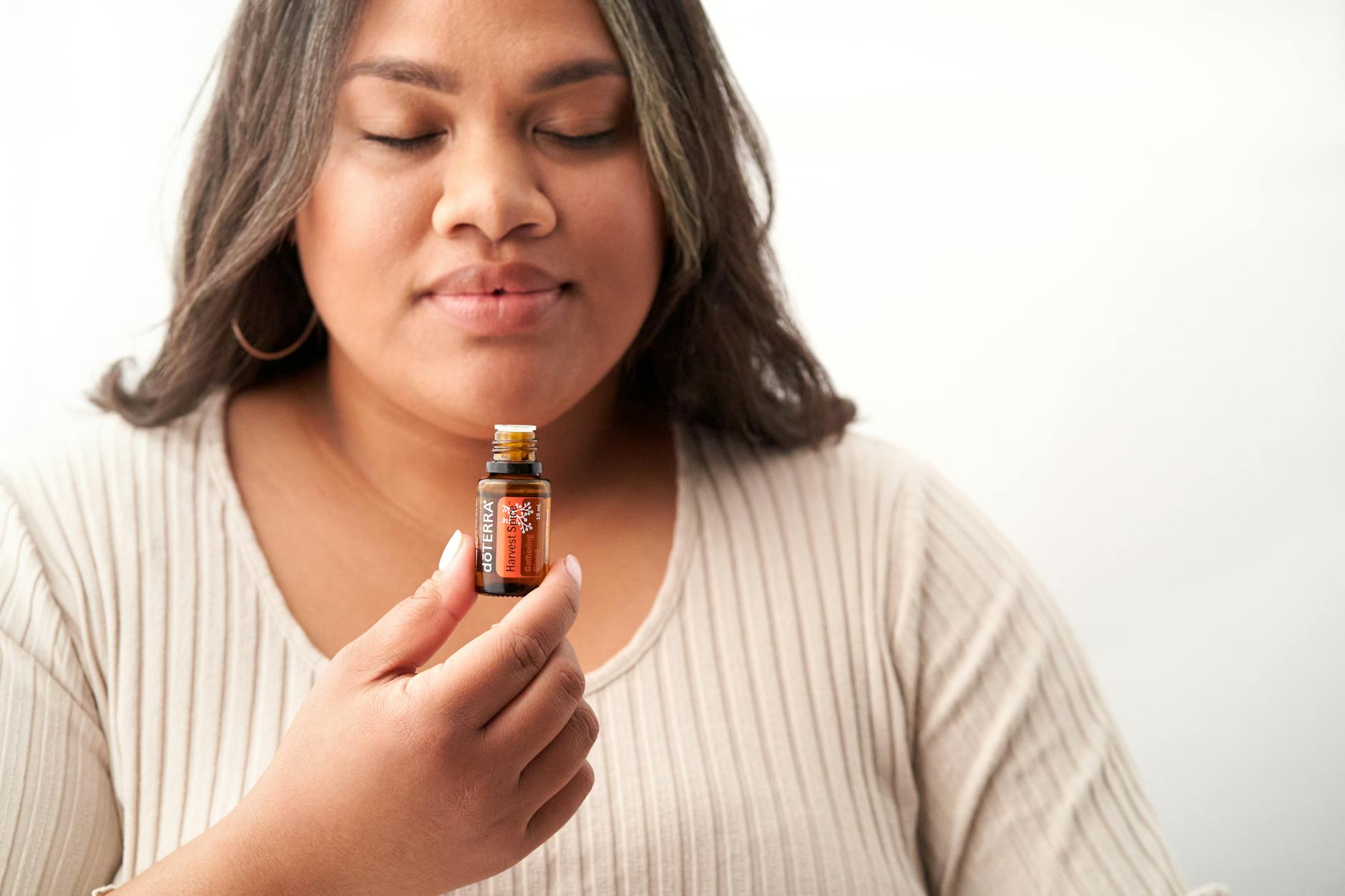
Finding Calm in Chaos
Aromatherapy is a holistic treatment that uses plant extracts known as essential oils to enhance physical and emotional well-being. Many people suffer from stress, anxiety, and sleep issues. By tapping into the benefits of aromatherapy, individuals can find relief and improve their quality of life.
Essential oils are concentrated extracts derived from various parts of plants, including flowers, leaves, and roots. These oils capture the plant’s natural fragrance and therapeutic properties. The process of extracting the essence transforms it into an essential oil without altering its chemical structure.
The Rise of Aromatherapy
Aromatherapy has gained popularity as a complementary therapy for managing stress and promoting relaxation. People increasingly seek natural alternatives to pharmaceuticals for wellness, reflecting a broader movement toward holistic health practices.
Why Scent Matters
Scent plays a crucial role in our emotional responses and memories. Certain aromas can evoke feelings of calmness or happiness. This connection between scent and emotion makes aromatherapy a powerful tool for enhancing mental well-being.
How It Works: Scents and Sensations
The Science Behind Aromatic Compounds
Aromatherapy works by activating smell receptors in the nose, sending signals through the nervous system to the brain. This process engages areas like the limbic system, which is involved in emotions and memory. The scent molecules can stimulate the hypothalamus to release feel-good chemicals such as serotonin, contributing to improved mood.
Connecting Olfactory and Emotional Responses
The link between smell and emotion is profound. When certain scents are inhaled, they can trigger pleasant memories or feelings of comfort. Many people report experiencing reduced anxiety or improved focus when using specific essential oils, highlighting the emotional impact of aromas.
Practical Applications: Incorporating Aromatherapy into Daily Life
Simple Techniques for Stress Relief
Integrating aromatherapy into daily routines can be easy and effective. Here are some simple techniques to try:
- Diffusion: Use an essential oil diffuser to disperse aromas throughout your home.
- Topical application: Dilute essential oils with a carrier oil and apply them to pulse points like wrists or temples.
- Bathing: Add a few drops of essential oil to your bath for a relaxing soak.
- Inhalation: Place a drop of essential oil on a cotton ball or tissue and inhale deeply when feeling stressed.
Creating Your Personal Aroma Space
Designing a personal aroma space can enhance relaxation. Choose scents that resonate with you, whether it's calming lavender or uplifting bergamot. Experiment with different combinations to create an atmosphere that promotes tranquility in your home or workspace.
Common Myths Debunked
Aromatherapy is Just a Trend
Some view aromatherapy as merely a passing trend; however, its roots date back thousands of years across various cultures. Research continues to support its benefits, dispelling the notion that it’s simply a fad.
Essential Oils Are Always Safe for Everyone
While many people use essential oils without issue, they aren't universally safe for everyone. Some individuals may experience allergic reactions or skin irritations from certain oils. It's important to approach aromatherapy with caution and knowledge.
Choosing the Right Oils for You
Popular Essential Oils for Relaxation
Several essential oils are commonly used for relaxation:
- Lavender: Known for its calming effects, lavender can help reduce anxiety and promote sleep.
- Chamomile: Often used for its soothing properties, chamomile can alleviate stress.
- Cedarwood: This oil is grounding and can help foster feelings of stability.
- Bergamot: With its fruity aroma, bergamot is uplifting and helps reduce tension.
Blending for Personal Preference
Creating your own blends can enhance the aromatherapy experience. Mix different essential oils based on personal preferences or desired outcomes. Experimenting with ratios allows you to find combinations that resonate best with you.
Potential Risks and Precautions
Allergies and Sensitivities
Essential oils can cause allergic reactions or sensitivities in some people. It’s crucial to perform patch tests before applying oils directly on the skin. If irritation occurs, discontinue use immediately.
Interactions with Medications
Certain essential oils may interact with medications, impacting their effectiveness or causing side effects. If you're taking medication or have health concerns, consult with your healthcare provider before using essential oils.
The Future of Aromatherapy Research
Emerging Studies and Findings
Research into aromatherapy continues to evolve, exploring its effects on various health conditions such as anxiety disorders and chronic pain management. Emerging studies aim to provide deeper insights into how specific scents influence physiological responses.
Aromatherapy in Clinical Settings
Aromatherapy is increasingly being integrated into clinical settings like hospitals and wellness centers. Its potential benefits in reducing stress among patients undergoing treatments highlight its role as a valuable complementary therapy.
Aromatherapy offers a natural approach for those seeking stress relief and relaxation through the use of essential oils. By understanding how scents affect emotions and incorporating them into daily life, people can harness their calming powers effectively.
Sources
Why do you keep falling for the same type?
Read the article Lovemaps: the hidden blueprint of our love.
Did you not find what you were looking for? Let me help you find more.
