
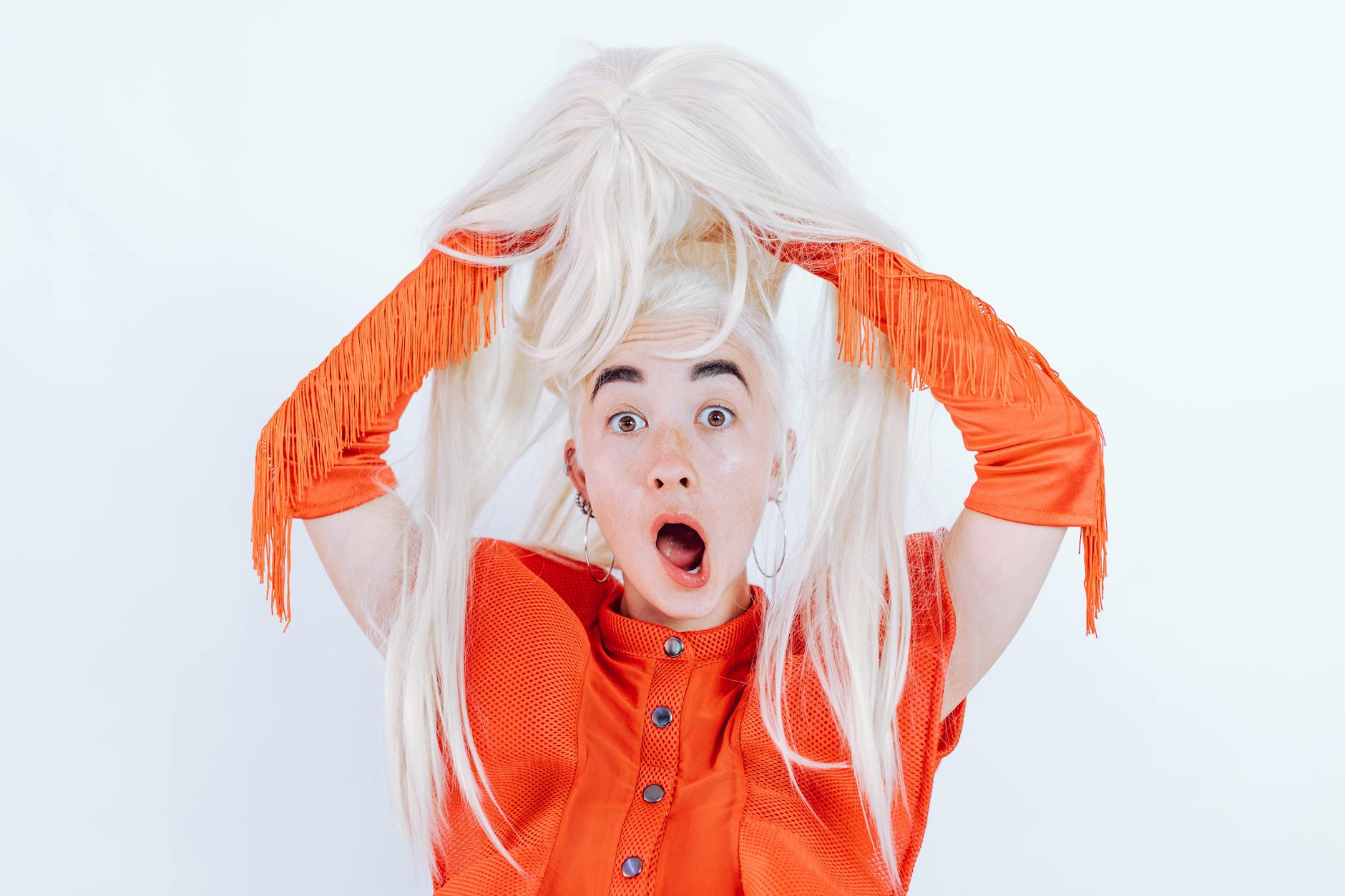
Every Strand Counts: The Impact of Hair Loss
A Personal Journey
Hair loss, or alopecia, can affect anyone, regardless of age or gender. It can result from various factors such as genetics, medical conditions, and lifestyle choices. Understanding hair loss is crucial as it impacts not only physical appearance but also emotional well-being and self-esteem. Hair consists of a protein called keratin produced in hair follicles located in the outer layer of the skin. Most hair grows at a rate of about 6 inches per year. On an average adult head, there are about 100,000 to 150,000 hairs, with daily shedding typically ranging from 50 to 100 strands.
Societal Perceptions
Society often places significant value on hair as a symbol of beauty and health. Many people feel distress over hair loss due to cultural perceptions. While some may embrace their baldness or thinning hair, others may experience anxiety or depression as they confront changes in their appearance.
Peeling Back the Layers: Types of Hair Loss
Alopecia Areata
Alopecia areata is an autoimmune condition where the immune system mistakenly attacks hair follicles, resulting in patchy hair loss. This condition often appears suddenly and can affect children and young adults. In severe cases, it may lead to complete baldness (alopecia totalis), but about 90% of those affected will see their hair return within a few years. Other types of alopecia include:
- Involutional alopecia: A natural aging process where hair gradually thins.
- Androgenic alopecia: A genetic condition affecting both men and women, known as male or female pattern baldness.
- Alopecia universalis: Complete loss of all body hair.
- Trichotillomania: A psychological disorder characterized by compulsively pulling out one’s own hair.
- Telogen effluvium: Temporary thinning due to changes in the hair growth cycle.
- Scarring alopecia: Permanent hair loss caused by inflammatory skin conditions that damage hair follicles.
- Traction alopecia: Hair loss from excessive pulling or tension on the hair.
- Central centrifugal cicatricial alopecia: Common among Black women, leading to small bald patches that grow over time.
Understanding these types helps clarify why different people experience varying degrees of hair loss and how they may respond emotionally to it.
The Emotional Impact of Hair Loss
Hair loss can have a profound effect on an individual's self-esteem and emotional well-being. Many people associate a full head of hair with youth and vitality, making hair loss a challenging experience both physically and psychologically. Research indicates that individuals suffering from alopecia areata report lower quality of life scores compared to those without the condition. This highlights the need for understanding and support for individuals facing hair loss. Additionally, societal pressures and beauty standards can exacerbate feelings of inadequacy. Many turn to cosmetic solutions or treatments in hopes of restoring their hair. However, the emotional aspects should not be overlooked, as they play a significant role in how one copes with hair loss. It is essential to foster open conversations about hair loss, emphasizing that it is a common issue affecting millions. Support groups, whether in-person or online, can provide a sense of community and understanding for those affected.
Recognizing Types for Effective Management
Understanding the different types of hair loss is crucial for identifying effective treatment options and managing expectations. Here are some common forms:
- Alopecia Areata: An autoimmune condition that causes sudden patchy hair loss. Treatments may include corticosteroids to reduce inflammation.
- Androgenetic Alopecia: Also known as male or female pattern baldness, this hereditary condition leads to gradual thinning and is often characterized by receding hairlines in men and diffuse thinning in women. Minoxidil and finasteride are common treatments.
- Telogen Effluvium: Temporary hair shedding often triggered by stress, hormonal changes, or nutritional deficiencies. Many people notice increased hair loss two to three months after a stressful event. The good news is that hair usually regrows once the underlying issue is resolved.
- Traction Alopecia: Results from prolonged tension on the hair follicles due to tight hairstyles like braids or ponytails. Changing hairstyle habits can prevent further damage.
Recognizing these types can help individuals seek appropriate advice from healthcare professionals. Early intervention often leads to better outcomes; therefore, if you notice unusual changes in your hair, consider consulting with a dermatologist or trichologist. In summary, while hair loss can be distressing, understanding its various forms and causes provides clarity and direction for addressing the issue effectively.
Sources
- Hair Loss: Types of Alopecia and Causes of Thinning Hair
- profiles.mountsinai.org
- www.mayoclinic.org
- www.aad.org
- www.aad.org
- www.aad.org
- www.aad.org
- nyulangone.org
- nyulangone.org
- my.clevelandclinic.org
- my.clevelandclinic.org
Why do you keep falling for the same type?
Read the article Lovemaps: the hidden blueprint of our love.
Did you not find what you were looking for? Let me help you find more.
