
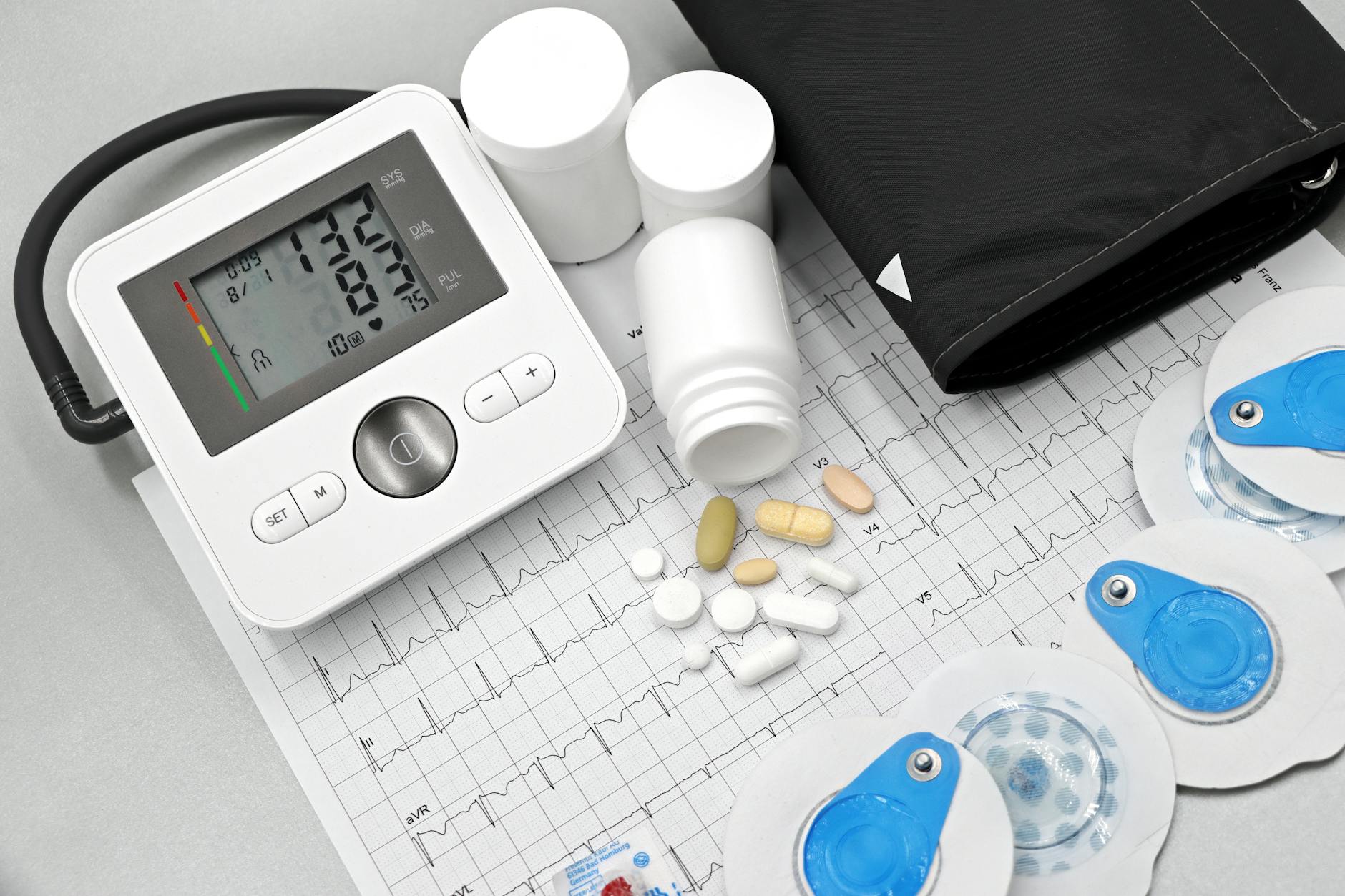
Understanding Your Heartbeat
An arrhythmia (pronounced as “uh-RITH-me-uh”) is an irregular heartbeat, meaning your heart is out of its usual rhythm. Approximately 1.5%-5% of people experience arrhythmias. It may feel like your heart has skipped a beat, added a beat, or is fluttering. Sometimes the heart beats too fast (tachycardia) or too slow (bradycardia). Arrhythmias can be emergencies or harmless; if you notice anything unusual, seeking medical help is important.
The Importance of Rhythm
A normal heart rhythm feels like a steady drumbeat in your chest, creating a consistent “lup-dup.” When this rhythm changes, it can lead to sensations that are alarming and confusing. Understanding how the heart should function helps individuals recognize when something goes wrong.
What Happens When It Goes Awry
Arrhythmias can occur even in healthy hearts. Various factors contribute to irregular heartbeats, including:
- Heart disease
- Imbalances of electrolytes such as sodium or potassium
- Stress and strong emotions
- Certain medications
- Lifestyle choices, including caffeine and alcohol consumption
- Diabetes and high blood pressure
- Sleep apnea and thyroid problems
Each factor can disrupt the delicate balance of the heart’s electrical system.
Everyday Impacts of Irregular Heartbeats
Recognizing the Signs
Some arrhythmias go unnoticed and might only be detected during routine check-ups. However, when symptoms do occur, they can include:
- Palpitations (feelings of skipped beats)
- Dizziness or lightheadedness
- Shortness of breath
- Fainting
- Chest pain or tightness
- Anxiety and blurry vision
Identifying these symptoms early on can lead to timely medical intervention.
Daily Life Adjustments
Living with an arrhythmia may require adjustments to daily routines. Individuals might need to monitor their activities closely and manage stress levels effectively. Simple changes in diet and exercise can significantly impact overall heart health.
How It Works: The Heart’s Electrical System
The Role of Electrical Signals
The heart’s electrical system controls its rhythm through signals that coordinate contractions. If these signals are disrupted due to stress or other underlying health issues, the result can be an arrhythmia.
Coordination of Heart Muscles
Your heart has four chambers,two atria and two ventricles,that must work together harmoniously. Disruptions in this coordination can lead to various types of arrhythmias depending on where they originate within the heart.
Common Misconceptions About Heart Rhythms
Myth: All Irregularities are Dangerous
Not all arrhythmias are life-threatening. Some are harmless and may not require treatment. It’s crucial to differentiate between serious conditions and those that are benign.
Myth: Only Older Adults are Affected
While age increases the risk of arrhythmias, younger individuals can also experience them. Factors such as genetic predisposition or lifestyle choices play significant roles regardless of age.
Diving Into Treatment Options
Lifestyle Changes that Matter
Your doctor might recommend lifestyle changes as the first line of defense against arrhythmias. Eating a healthy diet rich in fruits, vegetables, and whole grains helps maintain a healthy weight and keeps blood pressure in check. Regular exercise also plays a vital role in managing heart health.
Medical Interventions Explained
If lifestyle adjustments aren’t sufficient, medical interventions may be necessary. Treatments vary based on the type of arrhythmia but can include medications such as beta-blockers or calcium channel blockers to regulate heartbeat. More invasive options like catheter ablation or implantable cardioverter defibrillators (ICDs) may be required for more severe cases.
Empowering Yourself Through Knowledge
Staying Informed on Your Condition
A good understanding of your condition empowers you to manage it effectively. Regular checkups with your healthcare provider allow for ongoing monitoring and adjustments to your treatment plan as needed.
Building a Support Network
Connecting with others who understand what you’re going through can provide valuable emotional support. Whether through support groups or online forums, sharing experiences can help reduce feelings of isolation and anxiety.
The Future of Heart Health Management
Innovations on the Horizon
Advancements in technology promise better management tools for those with arrhythmias. Continuous monitoring devices may soon become commonplace, providing real-time data to both patients and doctors.
The Role of Technology in Monitoring
Smart devices can track heart rhythms and alert users to potential issues before they escalate into emergencies. This proactive approach could change how we manage our heart health moving forward.
In conclusion, understanding arrhythmias is essential for anyone experiencing irregular heartbeats or related symptoms. By recognizing the signs and seeking timely care, individuals can manage their conditions effectively while making informed lifestyle choices that promote long-term heart health.
Sources
Why do you keep falling for the same type?
Read the article Lovemaps: the hidden blueprint of our love.
Did you not find what you were looking for? Let me help you find more.
