
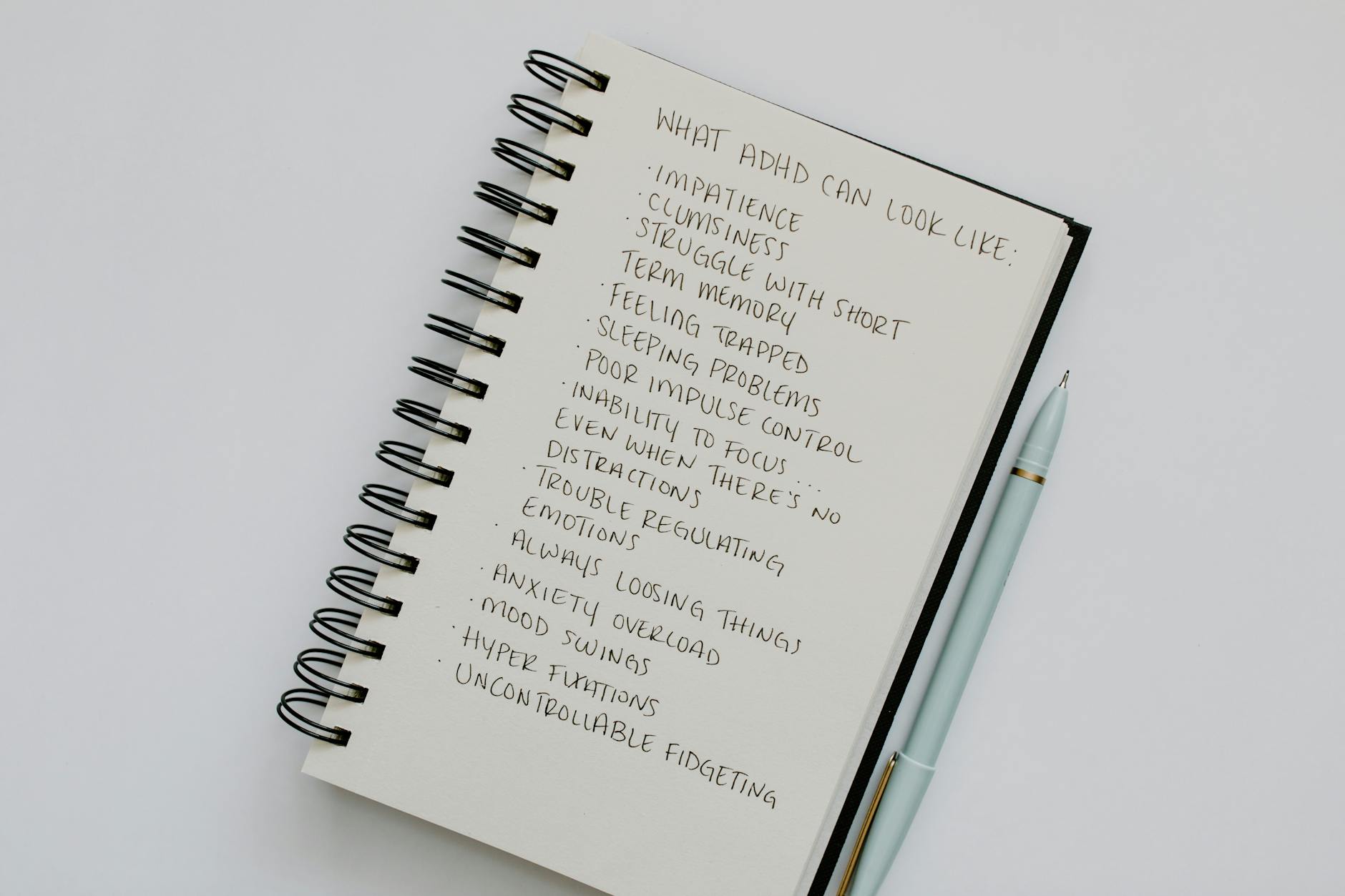
Spotting ADHD: Everyday Challenges
The Hidden Struggles
Many women with attention-deficit/hyperactivity disorder (ADHD) experience significant challenges in their daily lives, often feeling overwhelmed and struggling to keep track of tasks. This condition is frequently misdiagnosed or overlooked in females, leading to feelings of inadequacy and frustration. ADHD is a neurodevelopmental disorder characterized by persistent patterns of inattention and/or hyperactivity-impulsivity that interfere with functioning or development. It affects millions, including many women who often go undiagnosed.
When Symptoms Emerge
ADHD symptoms can manifest differently in women compared to men. While boys often exhibit hyperactive and impulsive behaviors, girls are more likely to show inattentive symptoms. This difference can lead to misunderstandings about the disorder's impact on their lives. Many women first experience noticeable symptoms during adolescence but may not recognize these signs as ADHD. The Centers for Disease Control and Prevention (CDC) reports that boys are diagnosed with ADHD more frequently than girls, with rates of 12.9% versus 5.6%. This disparity arises not from a higher prevalence in boys but rather from the underdiagnosis of girls, whose symptoms may be less disruptive.
Decoding the Brain: How ADHD Works
The Neurobiology of Attention
ADHD involves differences in brain structure and function, particularly in areas responsible for attention and impulse control. Brain imaging studies show variations in the size and activity of certain regions, including the prefrontal cortex and basal ganglia. These areas are crucial for executive functioning, which includes planning, organization, and self-regulation. Women may experience more challenges related to inattentiveness than men. They might struggle to stay organized, remember details, or focus on tasks. These difficulties can lead to feelings of inadequacy as they compare themselves to peers who seem to manage these tasks effortlessly.
Coping Mechanisms and Adaptations
Many women develop coping mechanisms to navigate their daily lives despite having ADHD. Some may rely heavily on lists or digital reminders, while others might create structured routines. However, these strategies can sometimes mask symptoms rather than address them directly. Women may also experience emotional dysregulation, leading to heightened sensitivity to stress and criticism. This emotional component plays a significant role in how ADHD affects their relationships and self-esteem.
Common Misconceptions About ADHD in Women
Myth 1: ADHD is Just a Childhood Disorder
ADHD is often perceived as a condition that only affects children; however, symptoms can persist into adulthood. Women often learn to adapt their behaviors over time, leading to an inaccurate perception that they have "grown out" of the disorder.
Myth 2: Women Can’t Have ADHD if They’re Successful
Another misconception is that successful women cannot have ADHD. In reality, many high-achieving women manage their symptoms without receiving a formal diagnosis. They may excel professionally while struggling with everyday tasks at home or in social situations.
How It Works: The Science Behind ADHD
The Role of Neurotransmitters
Neurotransmitters such as dopamine play a crucial role in attention regulation and impulse control. In individuals with ADHD, the balance of these chemicals may be disrupted, impacting their ability to focus and maintain motivation. Research shows that effective treatment often involves addressing these neurochemical imbalances through medication or therapy.
Environmental Factors and Genetics
Both genetics and environment contribute to the development of ADHD. Family history plays a significant role; if parents have ADHD, their children are more likely to develop it as well. Environmental factors such as prenatal exposure to toxins or adverse childhood experiences can also increase the risk of developing the disorder.
Recognizing Symptoms Beyond the Stereotypes
Emotional Regulation and Sensitivity
Women with ADHD often face challenges related to emotional regulation. They might feel overwhelmed by emotions or react strongly to stressors that others manage easily. This emotional sensitivity can lead to anxiety or depressive symptoms, compounding the difficulties they face.
Executive Functioning Challenges
Executive functioning refers to a set of mental skills that help people plan, focus attention, remember instructions, and juggle multiple tasks successfully. Women with ADHD frequently struggle with these skills, impacting their performance at work or school. Symptoms may include difficulty organizing tasks, managing time effectively, and remembering important details, leading to frustrations in both personal and professional settings.
Navigating Diagnosis: A Complex Journey
The Importance of Comprehensive Assessment
Getting an accurate diagnosis for ADHD can be complex for women due to overlapping symptoms with other conditions such as anxiety or depression. A comprehensive assessment by a qualified professional is essential for identifying ADHD accurately. Diagnostic criteria include evaluating attention spans, impulsivity levels, and how these affect daily functioning across different life areas.
Barriers to Accurate Diagnosis
Cultural biases contribute significantly to the misdiagnosis of women with ADHD. Traits often linked with ADHD, like being talkative or forgetful, may be dismissed as personality flaws rather than recognized as signs of a disorder. As awareness increases regarding how ADHD manifests differently in women, more individuals seek appropriate evaluations and support.
Strategies for Managing ADHD in Daily Life
Practical Tools for Organization
Simple organizational tools can significantly help women manage their day-to-day responsibilities better. Techniques like using planners or digital apps for reminders can enhance productivity and reduce feelings of being overwhelmed. Establishing routines can also create structure where there previously was chaos, making it easier to navigate daily life.
Building Supportive Networks
Having supportive friends or family members can make a big difference for women with ADHD. Sharing experiences with others who understand the challenges can provide emotional comfort and practical advice on coping strategies. Support groups, either online or in-person, can offer invaluable resources for learning effective management techniques while fostering connections with others facing similar struggles. In conclusion, understanding how ADHD affects women differently is vital for improving diagnoses and treatment approaches. By recognizing the unique challenges faced by women with this condition, we can better support them in navigating their daily lives effectively.
Sources
Why do you keep falling for the same type?
Read the article Lovemaps: the hidden blueprint of our love.
Did you not find what you were looking for? Let me help you find more.
