
Alopecia Areata: Understanding Symptoms, Causes, Treatments, and Care
Alopecia areata is an autoimmune disorder that causes hair loss, often resulting in bald patches on the scalp or other areas of the body. The impact of alopecia areata extends beyond physical appearance, affecting emotional well-being and daily life. Understanding this condition is crucial for those affected and their families.
The Emotional Toll of Alopecia
Alopecia areata can lead to feelings of embarrassment, anxiety, and depression. Many individuals experience a significant emotional burden due to changes in their appearance. The visible nature of hair loss can affect self-esteem and social interactions, potentially leading to withdrawal from activities or relationships. Support networks and therapy can play essential roles in helping individuals cope with these feelings.
Practical Adjustments in Daily Life
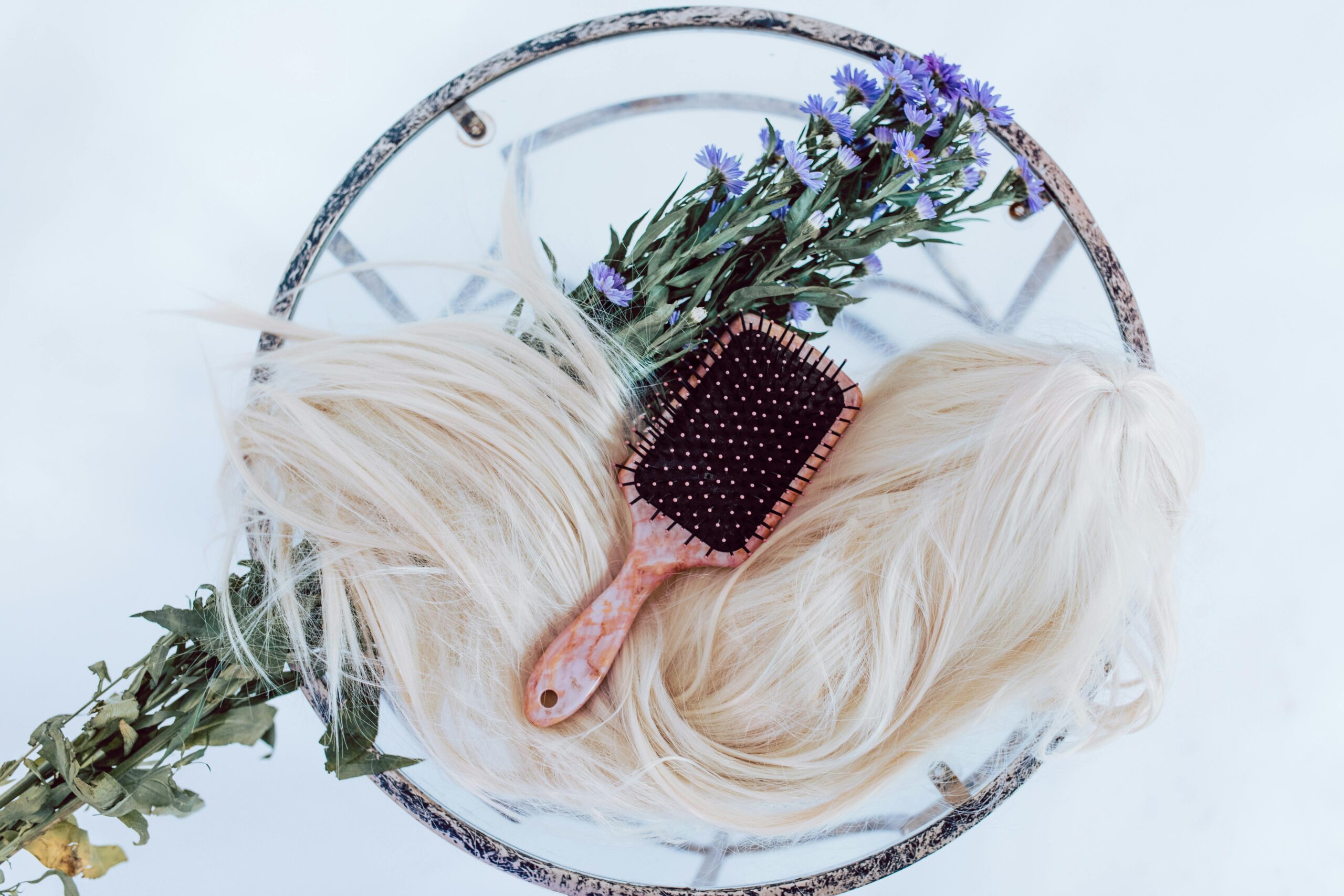
Living with alopecia areata often requires practical adjustments. Individuals may choose to wear wigs, hats, or scarves to cover bald patches and protect their heads from the sun. Styling products can also help create the appearance of fuller hair or disguise thinning areas. These adaptations can help restore a sense of normalcy and confidence in everyday life.
Decoding the Science Behind Hair Loss
How Hair Growth Cycles Work
Hair grows through cycles that include growth (anagen), rest (telogen), and shedding (catagen) phases. In healthy individuals, hair goes through these cycles continuously, allowing for natural replacement of lost hair. However, in alopecia areata, this cycle is disrupted, leading to sudden hair loss.
The Role of the Immune System
Alopecia areata is classified as an autoimmune disorder where the body’s immune system mistakenly attacks hair follicles. This misdirected immune response leads to inflammation around the follicles, causing hair to fall out.
How It Works: The Mechanisms of Alopecia Areata
Autoimmune Response Explained
In alopecia areata, T-cells infiltrate the hair follicles. This immune response disrupts normal hair growth and can result in patchy or complete baldness. Researchers continue to study why this autoimmune response occurs in some individuals but not others.
The Hair Follicle’s Vulnerability
The vulnerability of hair follicles in alopecia areata is not entirely understood. Genetics may play a role, as certain individuals may inherit a predisposition to autoimmune disorders. Environmental triggers such as stress or illness might also initiate the condition in those genetically susceptible.
Common Misconceptions About Hair Loss
Alopecia is Just a Cosmetic Issue
Many people view alopecia areata solely as a cosmetic concern; however, it has significant psychological impacts as well. The emotional distress linked with visible hair loss can be profound and should be taken seriously.
Only Older Adults Are Affected
Contrary to popular belief, alopecia areata can affect people of all ages. While it often begins during childhood or adolescence, adults can also experience this disorder.
Exploring Treatment Options: What’s Available?
Medications and Their Efficacy
While there is no cure for alopecia areata, several treatment options exist that can help manage symptoms:
- Corticosteroids: These anti-inflammatory drugs can be injected into the scalp or taken as pills. They may take time to show results.
- Topical immunotherapy: This treatment involves applying chemicals to induce an allergic reaction that may stimulate hair regrowth.
- Minoxidil: Commonly known as Rogaine, minoxidil is applied directly to the scalp and is used for various types of hair loss.
- JAK inhibitors: Oral prescription medications such as Leqselvi (deuruxolitinib), Litfulo (ritlecitinib), and Olumiant (baricitinib) have shown promise in treating alopecia areata.
Alternative Therapies and Lifestyle Changes
In addition to conventional treatments, some individuals explore alternative therapies such as acupuncture or dietary supplements. Stress reduction techniques, including mindfulness practices or yoga, may also be beneficial for managing symptoms.
Support Systems: Finding Community and Care
Connecting with Others Facing Similar Challenges
Joining support groups can provide comfort and understanding for those dealing with alopecia areata. Sharing experiences with others who face similar challenges fosters a sense of community and belonging.
The Role of Mental Health Professionals
Mental health professionals play an important role in supporting individuals coping with the emotional impact of alopecia areata. Therapy can help address feelings of anxiety or depression related to body image issues.
Looking Ahead: Research and Future Directions
Innovations in Treatment Approaches
Research continues to evolve regarding better treatment options for alopecia areata. New therapies targeting the autoimmune aspects of the disorder show promise for more effective management.
The Importance of Ongoing Research
Ongoing research is vital for unraveling the complexities of alopecia areata. Understanding its mechanisms may lead to improved treatments and potentially preventative strategies.
Alopecia areata affects many people worldwide, leading to physical changes that carry emotional weight. While there’s currently no cure, various treatments exist that offer hope for managing symptoms and regrowing hair. Support systems and continued research play crucial roles in improving quality of life for those affected by this condition.
Sources
Why do you keep falling for the same type?
Read the article Lovemaps: the hidden blueprint of our love.
Did you not find what you were looking for? Let me help you find more.
