
Unveiling the Secrets of the Andes
The Andes, South America’s towering mountain range, is home to remarkable remnants of past civilizations. The Andean civilizations refer to the complex societies that flourished along the Andes Mountains, extending from southern Colombia to northern Chile and Argentina. This region has significantly influenced cultural heritage and agricultural practices that continue to impact modern society.
The Andean civilizations were indigenous societies known for their significant contributions to agriculture, architecture, and textiles. They developed independently, creating what are termed “pristine” civilizations,those that arose without external influences.
Why the Andes Matter Today
The Andes are more than just a geographical feature; they are a cradle for ancient cultures. Their significance lies in their role as a foundation for societies that developed unique agricultural techniques and rich cultural traditions. These civilizations introduced crops like potatoes and quinoa, which are now staples worldwide. Additionally, the architectural marvels and social structures they established laid the groundwork for future societies.
The Impact on Modern Society
The legacies of Andean civilizations still resonate today. Modern agriculture benefits from ancient Andean techniques such as terrace farming and irrigation methods suited for mountainous terrains. Cultural practices and traditional crafts continue to thrive among contemporary indigenous communities in the region, preserving a connection to their historical roots.
Living in Harmony with the Mountains
Adaptations to Extreme Environments
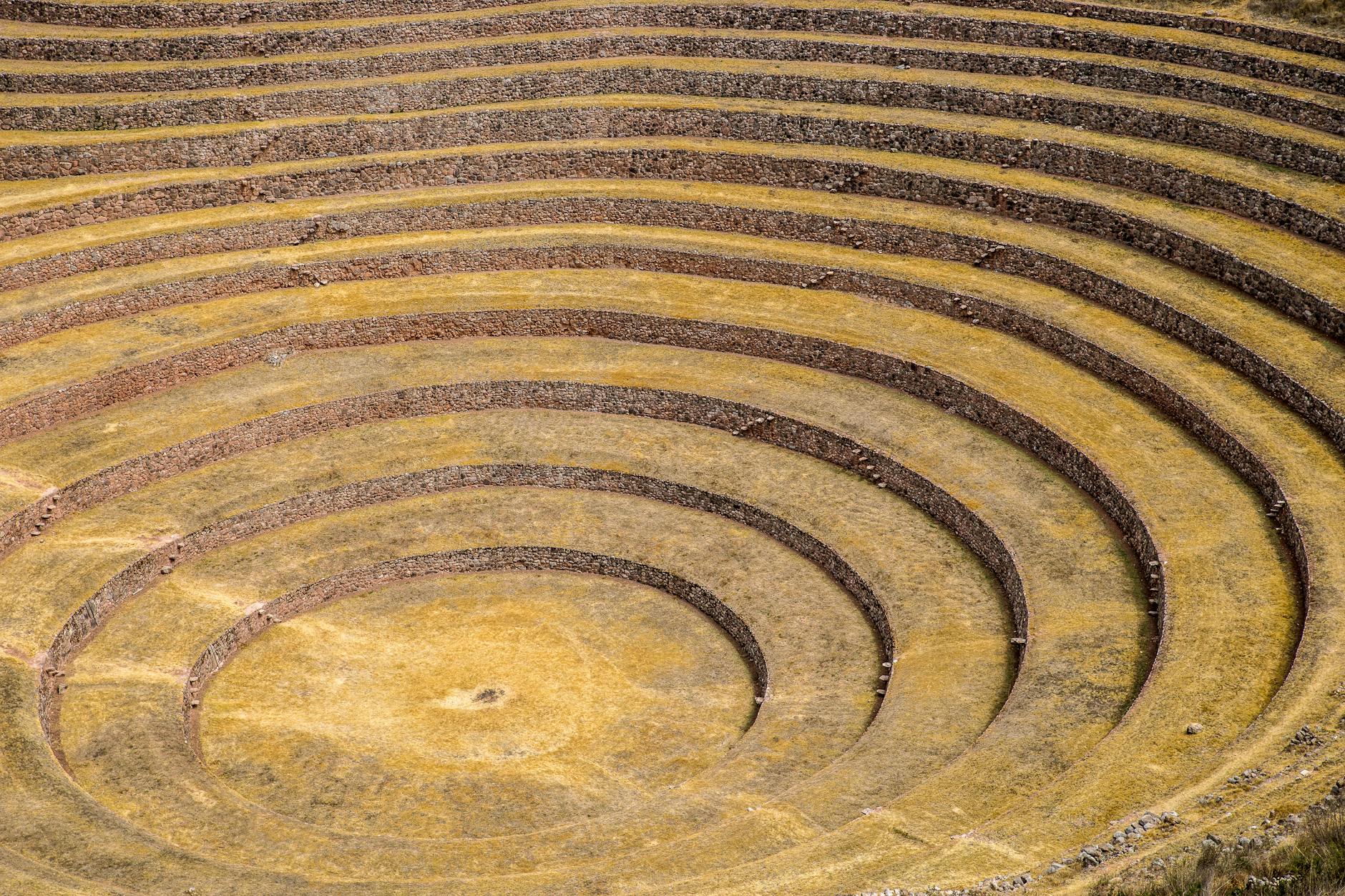
Andean civilizations faced unique challenges due to their harsh environments, including high altitudes and arid conditions. These societies adapted by developing innovative farming techniques. They constructed terraces on steep hillsides to maximize arable land and utilized irrigation systems fed by Andean rivers, allowing them to cultivate diverse crops despite limited resources.
Traditional Practices that Endure
Many traditional practices from Andean cultures remain relevant today. The cultivation of potatoes, which originated in this region, exemplifies how ancient agricultural methods have persisted through generations. Festivals celebrating harvests reflect a deep-rooted appreciation for nature and community, showcasing customs passed down through time.
How it Works: The Ecosystem of the Andes
The Role of Altitude in Biodiversity
The Andes’ varied altitudes create diverse ecosystems that support an array of plant and animal life. Each elevation zone fosters specific species adapted to its climate. For instance, lower elevations might host tropical flora while higher altitudes support hardier plants like quinoa. This biodiversity has been crucial for both ecological balance and agricultural diversity.
Water Management Techniques
Effective water management was vital for survival in the Andean region. Ancient societies devised intricate irrigation systems that channeled water from mountain streams to fields. They built reservoirs and canals, allowing them to farm efficiently even in areas with limited rainfall. This mastery over water resources significantly boosted agricultural productivity.
Cultural Innovations from the Heights
Architecture that Defies Gravity
The architectural achievements of Andean civilizations are impressive. Structures like Machu Picchu demonstrate advanced engineering skills, with stonework designed to withstand earthquakes,a common occurrence in this seismic region. These buildings were often strategically placed to harmonize with their environment and serve various ceremonial functions.
Textiles and Artistry: A Legacy of Expression
Andean cultures are renowned for their vibrant textiles, which showcase intricate designs and rich colors inspired by nature. Weaving techniques were highly developed and often served as a means of storytelling or conveying social status. These textiles remain a significant aspect of cultural identity among indigenous communities today.
Common Myths About Andean Civilizations
Myth: They Were Primitive Societies
A common misconception is that Andean civilizations were primitive compared to contemporaneous cultures elsewhere. In reality, they exhibited sophisticated societal structures, extensive trade networks, and complex belief systems that rivaled those of other ancient cultures.
Myth: All Andean Cultures Were the Same
An oversimplification is treating all Andean cultures as homogenous when they were incredibly diverse. Each civilization had its own unique characteristics, languages, and practices that contributed to a rich tapestry of cultural heritage across the region.
The Legacy of Andean Civilizations Today
Influence on Contemporary Indigenous Communities
The impact of ancient Andean civilizations is evident among today’s indigenous groups who draw from their ancestors’ wisdom in agriculture, art, and social organization. Maintaining these traditions helps preserve cultural identities while adapting to modern challenges.
Preservation Efforts and Challenges Ahead
Efforts are underway to preserve archaeological sites and promote awareness of Andean heritage amid globalization pressures. Challenges include environmental threats, tourism impacts, and socio-economic changes that can jeopardize these invaluable cultural legacies.
A Glimpse into the Future of Andean Heritage
Sustainable Tourism and Its Importance
Sustainable tourism presents an opportunity for economic growth while protecting cultural heritage sites. By promoting responsible travel practices, local communities can benefit economically without compromising their historical treasures.
The Role of Technology in Cultural Preservation
Technology plays an increasingly important role in preserving Andean heritage through digital archiving and virtual reconstructions of historical sites. These innovations help educate future generations about their rich past while fostering global interest in Andean cultures.
The story of the Andean civilizations is one of resilience, innovation, and adaptation against formidable odds. As we explore this rich history today, we can appreciate how these ancient societies not only shaped their environment but also laid foundations that endure in modern culture.
Sources
- Andean civilizations – Wikipedia
- www.google.com
- www.google.com
- www.google.com
- www.google.com
- scholar.google.com
- www.jstor.org
- www.britannica.com
- ui.adsabs.harvard.edu
- doi.org
- pubmed.ncbi.nlm.nih.gov
Articles
- Pre-Columbian Era: Cultures and Civilizations of the Americas
- History of Communication Studies from Ancient Times to the 20th Century
- What is Human History
- Indus River: Geographic Overview and Historical Significance
- Edward Gibbon: British Historian, Essayist, and Politician (1737-1794)
- Understanding Chronology: The Science of Arranging Events in Time
Days
- March 20: Spring Equinox (First Day of Spring)
- March 18: Goddess of Fertility Day
- March 15: Contact Day
- March 11: Funeral Director and Mortician Recognition Day (United States)
Why do you keep falling for the same type?
Read the article Lovemaps: the hidden blueprint of our love.
Did you not find what you were looking for? Let me help you find more.
