
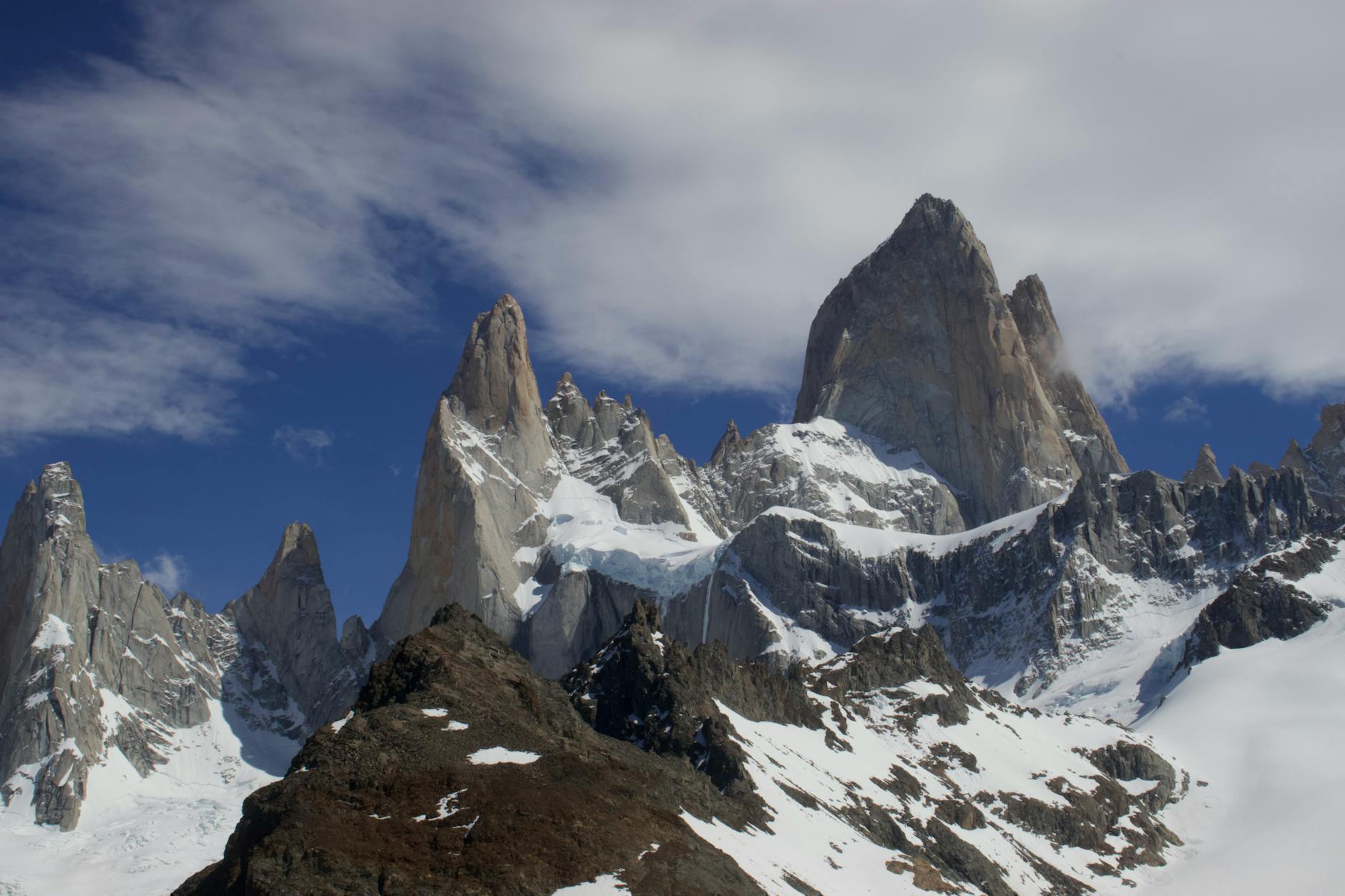
Andes Mountains: The Major Mountain Range of South America
The Andes are the longest continental mountain range in the world, stretching over 8,900 kilometers (5,500 miles) along the western edge of South America. This majestic range influences the climate, culture, and biodiversity across seven countries: Argentina, Chile, Bolivia, Peru, Ecuador, Colombia, and Venezuela. Understanding the Andes is crucial for appreciating their ecological significance and cultural heritage.
Why Explore the Andes?
The Andes attract visitors for various reasons. Adventure seekers enjoy activities like hiking, skiing, and mountaineering amidst stunning scenery. Nature lovers appreciate the rich biodiversity found in its unique ecosystems. The mountains also hold deep cultural significance for indigenous communities, making the Andes a vital destination for both tourism and conservation efforts.
Outdoor Activities for Everyone
The Andes offer countless outdoor activities suitable for all skill levels. Popular options include:
- Trekking: Trails like the Inca Trail lead to ancient ruins and breathtaking views.
- Skiing: Resorts like Valle Nevado in Chile cater to winter sports enthusiasts.
- Cultural tours: Visitors can experience local traditions and cuisine while exploring towns like Cusco and La Paz.
- Biking: Mountain biking routes provide thrilling rides through diverse terrains.
The Formation of a Giant
How Tectonic Forces Shape Mountains
The Andes were formed through complex tectonic processes that began millions of years ago. The collision between the Nazca Plate and the South American Plate resulted in significant geological activity, causing uplift that created the towering peaks we see today.
The Role of Subduction Zones
Subduction zones play a critical role in shaping the Andes. As oceanic crust is forced under continental crust, it generates volcanic activity and earthquakes. This process contributes to both the elevation of the mountains and their geological diversity.
A Living Ecosystem
Diverse Habitats from Coast to Summit
The Andes boast an impressive range of habitats due to their extensive altitudinal gradient. Starting from coastal regions, you move through deserts, temperate forests, and alpine tundra as you ascend. These varying environments support a wealth of plant and animal species adapted to specific conditions.
Unique Species and Their Adaptations
The Andes are home to many unique species. For instance:
- Vicuñas: These relatives of llamas thrive in high-altitude grasslands.
- Condors: The Andean condor is one of the largest flying birds in the world.
- Cinchona trees: Known for their bark that produces quinine, used to treat malaria.
How It Works: The Science Behind Mountain Ranges
Tectonic Plates and Their Movements
The movement of tectonic plates continues to shape the Andes today. As these plates shift, they create new geological features while also causing natural events like earthquakes and volcanic eruptions. Understanding these processes helps scientists predict future changes in this dynamic environment.
The Impact of Elevation on Climate
The elevation in the Andes significantly impacts local climates. Higher altitudes experience cooler temperatures and different precipitation patterns compared to lower regions. This variation creates distinct ecosystems that host diverse flora and fauna.
Cultural Significance Through Time
Indigenous Peoples and Their Traditions
The Andes have been home to indigenous peoples for thousands of years. Cultures such as the Incas flourished here, developing sophisticated agricultural techniques and intricate social structures. Today, many indigenous groups continue to live off these lands, preserving their traditions while adapting to modern challenges.
The Andes in Modern Society
The mountains remain central to life in many Andean countries. They influence agriculture, provide water resources through glacial melt, and attract tourists seeking adventure or cultural experiences. Efforts to balance economic development with environmental conservation are ongoing as societies navigate these dual priorities.
Common Myths About the Andes
Myth: All Mountains Are the Same Height
A common misconception is that all mountains have similar heights. However, the Andes contain some of the highest peaks outside Asia, with notable summits like Aconcagua reaching 6,961 meters (22,838 feet).
Myth: The Andes Are Just One Long Range
Contrary to popular belief, the Andes consist of several ranges separated by valleys or depressions. This complex structure contributes to their ecological diversity and geological features.
Preserving the Majesty of the Andes
Conservation Efforts and Challenges
Efforts to conserve the unique ecosystems of the Andes face numerous challenges. Habitat loss due to agriculture, mining, and urbanization threatens biodiversity. Conservation organizations work alongside local communities to promote sustainable practices that protect these vital environments.
The Future of Sustainable Tourism
Sustainable tourism presents an opportunity for economic development while safeguarding natural resources in the Andes. By promoting eco-friendly travel options and supporting local economies, stakeholders aim to ensure that future generations can enjoy these breathtaking landscapes without compromising their integrity.
The Andes Mountains represent a rich tapestry woven from natural beauty, diverse ecosystems, and vibrant cultures. Understanding their significance helps us appreciate both their majesty and fragility as we strive for harmony between humanity and nature.
Sources
- Andes – Wikipedia
- www.google.com
- www.google.com
- www.google.com
- www.google.com
- scholar.google.com
- www.jstor.org
- geohack.toolforge.org
- geohack.toolforge.org
- www.britannica.com
- etimologias.dechile.net
Why do you keep falling for the same type?
Read the article Lovemaps: the hidden blueprint of our love.
Did you not find what you were looking for? Let me help you find more.
