
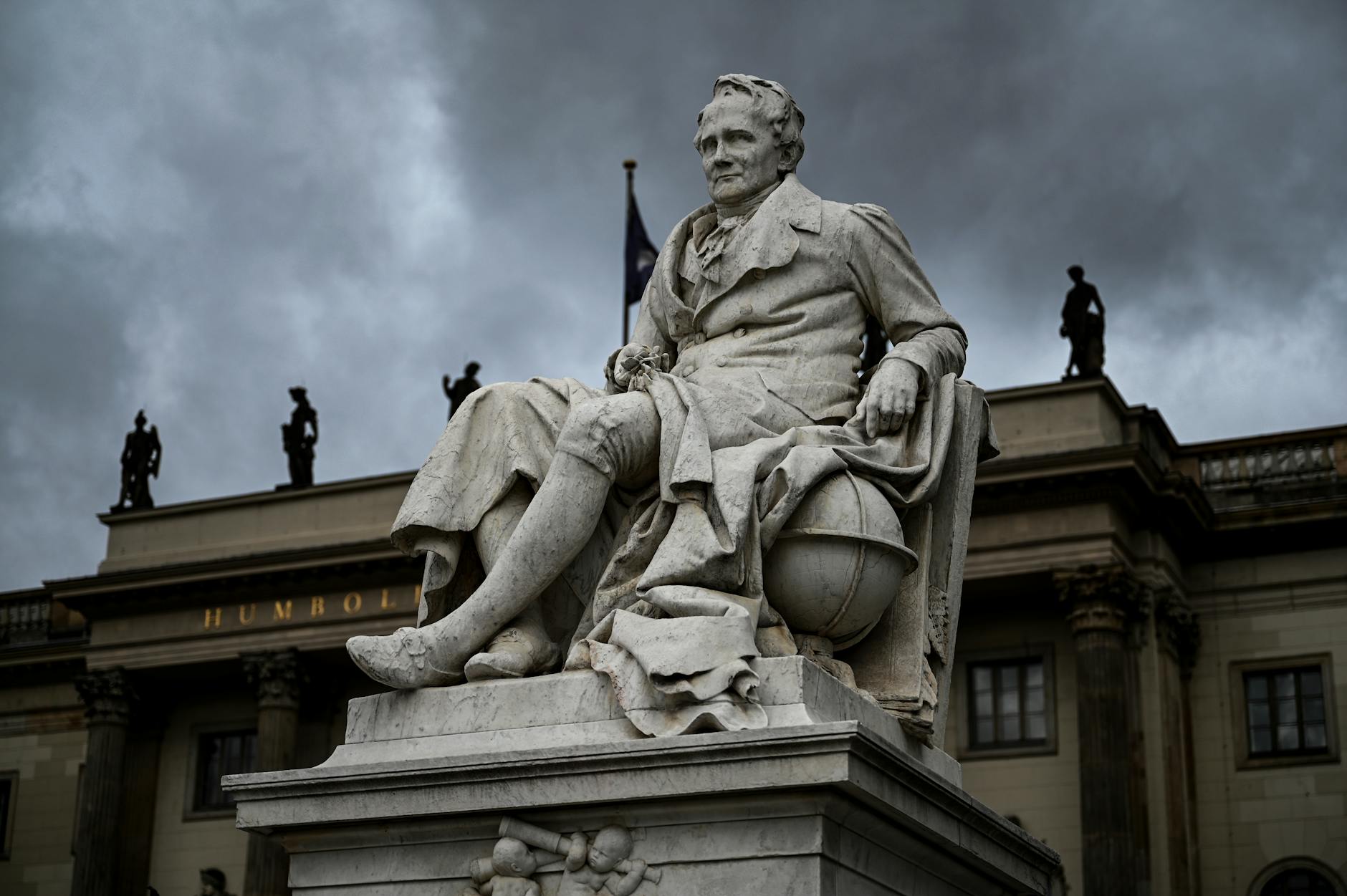
Unlocking the Past: Why Art History Matters Today
Art history is the academic discipline that studies artistic production and visual culture throughout human history. It is essential for understanding the relationship between art and society, illuminating how cultures express themselves through artistic forms. Engaging with art is relevant across generations, as it reflects shared human experiences.
The Influence of Art on Culture
Art has always played a vital role in shaping culture. It reflects societal values, beliefs, and historical events. For example, Renaissance paintings often depicted religious themes central to European society at the time. Similarly, modern art movements like Dadaism emerged as responses to the turmoil of World War I, challenging conventional ideas about beauty and expression. The cultural significance of art extends beyond aesthetics; it influences politics, religion, and social movements. Artists like Picasso and Frida Kahlo not only showcased individual creativity but also commented on social issues such as war, gender roles, and identity.
Art as a Reflection of Society
Art serves as a mirror reflecting societal conditions and changes over time. The Harlem Renaissance in the 1920s highlighted African American culture through literature, music, and visual arts, showcasing the struggles and triumphs of Black individuals in America. This movement was not just an artistic revolution but also a pivotal moment for civil rights. By examining different art forms across various periods, we can trace how societies evolve. The transition from classical to modern art illustrates shifts in thought processes and cultural priorities, revealing how historical events shape artistic expression.
Bridging the Gap: How Art History Connects Us
Understanding Historical Contexts
Art historians use various methodologies to contextualize artworks within their historical settings. They analyze the social, political, and economic factors that influenced artists and their creations. For example, understanding the patronage systems during the Baroque period reveals how powerful institutions commissioned works to promote their status. By studying these contexts, we gain insight into why certain themes or styles were prevalent at specific times. This knowledge connects us to our past and helps us appreciate how history informs contemporary artistic practices.
Art as a Universal Language
Art transcends linguistic barriers, making it a universal form of communication. Through painting, sculpture, or performance art, people can convey emotions and ideas that words may fail to express. A powerful image can evoke feelings of joy or sorrow without needing an explanation. This universal aspect of art allows for cross-cultural exchanges that enhance mutual understanding. Exhibitions featuring artists from diverse backgrounds provide opportunities for audiences to engage with unfamiliar cultures through their artworks.
How It Works: The Tools of Art Historians
Analyzing Techniques and Styles
Art historians employ various analytical tools to examine artworks closely. They study techniques such as brushwork in painting or carving in sculpture to understand an artist's methods. This analysis often reveals insights into the artist's intentions and influences. For example, comparing Impressionist techniques with those of earlier movements illustrates how artists sought to capture light and movement differently. Such analyses deepen our appreciation for artistic innovation.
Interpreting Symbolism and Themes
Symbolism plays a crucial role in art history. Many artworks contain layers of meaning that require careful interpretation. Art historians explore iconography,the study of symbols within artworks,to uncover these meanings. For instance, a painting might feature a skull symbolizing mortality or flowers representing beauty and transience. Understanding these symbols enhances our comprehension of an artwork's message and its relevance within its cultural context.
Utilizing Technology in Research
Modern technology has transformed art historical research. Digital tools allow historians to analyze artworks in unprecedented detail using imaging techniques like infrared reflectography or X-ray analysis. These methods can reveal underdrawings or changes made by the artist during the creation process. Additionally, online databases provide access to vast collections of art history resources, enabling scholars to conduct research more efficiently than ever before.
Common Myths About Art History
Myth 1: It’s Just About Famous Artists
Many people believe that art history only focuses on well-known artists like Van Gogh or Picasso. In reality, it encompasses a wide range of creators from different backgrounds who have contributed to artistic traditions globally. While famous artists often receive more attention due to their popularity, lesser-known creators also play essential roles in shaping art history.
Myth 2: Art is Objective and Timeless
Another misconception is that art possesses an inherent value that remains unchanged over time. However, perceptions of what constitutes "great" art vary significantly across cultures and eras. The subjective nature of art means that its appreciation is influenced by societal norms and personal experiences. What may be considered groundbreaking today could be viewed differently in future contexts.
Myth 3: Only Experts Can Appreciate Art
Some believe that understanding art requires specialized knowledge reserved for experts. In truth, anyone can engage with art meaningfully; appreciation often comes from personal experience rather than academic credentials. Art invites interpretation from diverse perspectives; every viewer brings unique insights based on their background and feelings about what they observe.
The Evolution of Artistic Movements
From Renaissance to Modernism
Art history is marked by distinct movements that reflect changing styles and philosophies over centuries. The Renaissance revived classical ideals while incorporating humanist themes; this period celebrated individualism through works by artists like Michelangelo. Modernism further challenged traditional aesthetics by embracing abstraction and experimentation with form; movements like Cubism reshaped perceptions of space in representation.
The Impact of Globalization on Art Trends
Globalization has facilitated an exchange of artistic ideas across borders. Contemporary artists increasingly draw inspiration from diverse cultures while addressing global issues such as migration or climate change in their work. This blending results in new forms of expression that resonate with audiences worldwide; art becomes a platform for dialogue about shared challenges facing humanity today.
Art History in the Digital Age
The Rise of Virtual Exhibitions
The digital age has revolutionized how we access art history through virtual exhibitions available online. Museums now showcase collections digitally, allowing global audiences to experience artworks from anywhere without geographical limitations. Virtual platforms offer educational resources that enhance public engagement with art history; people can explore curated exhibits or participate in online discussions about significant works at their convenience.
Social Media’s Role in Art Appreciation
Social media platforms have transformed how people discover and engage with art. Artists use these channels to share their work directly with audiences while fostering communities around specific styles or themes. This accessibility encourages broader participation in conversations about contemporary practices; the democratization of discourse enables voices traditionally marginalized within traditional art spaces to be heard more widely than ever before.
Future Directions: What Lies Ahead for Art History?
Interdisciplinary Approaches
The future of art history will likely involve more interdisciplinary collaboration between fields such as sociology, anthropology, and psychology. Integrating diverse perspectives will enrich our understanding while addressing complex issues related to identity politics within artistic discourse. Such collaborations promise exciting developments that challenge established narratives while fostering inclusive dialogues about creation’s role within society today.
The Importance of Diverse Perspectives
Emphasizing diverse voices will shape future scholarship within this discipline; recognizing contributions from underrepresented groups will broaden traditional narratives surrounding artistry throughout time periods globally. As society evolves rapidly amidst shifting cultural landscapes, art historians must adapt methodologies accordingly while remaining responsive toward emerging dialogues surrounding equity within creative practices moving forward.In conclusion, understanding art history enables us to appreciate not just individual works but also their broader societal implications,connecting us deeply with our past while informing discussions around culture today.
Sources
- Art history – Wikipedia
- es.wikipedia.org
- deepl.com
- translate.google.com
- www.google.com
- www.google.com
- www.google.com
- www.google.com
- scholar.google.com
- www.jstor.org
- en.wiktionary.org
Why do you keep falling for the same type?
Read the article Lovemaps: the hidden blueprint of our love.
Did you not find what you were looking for? Let me help you find more.
