
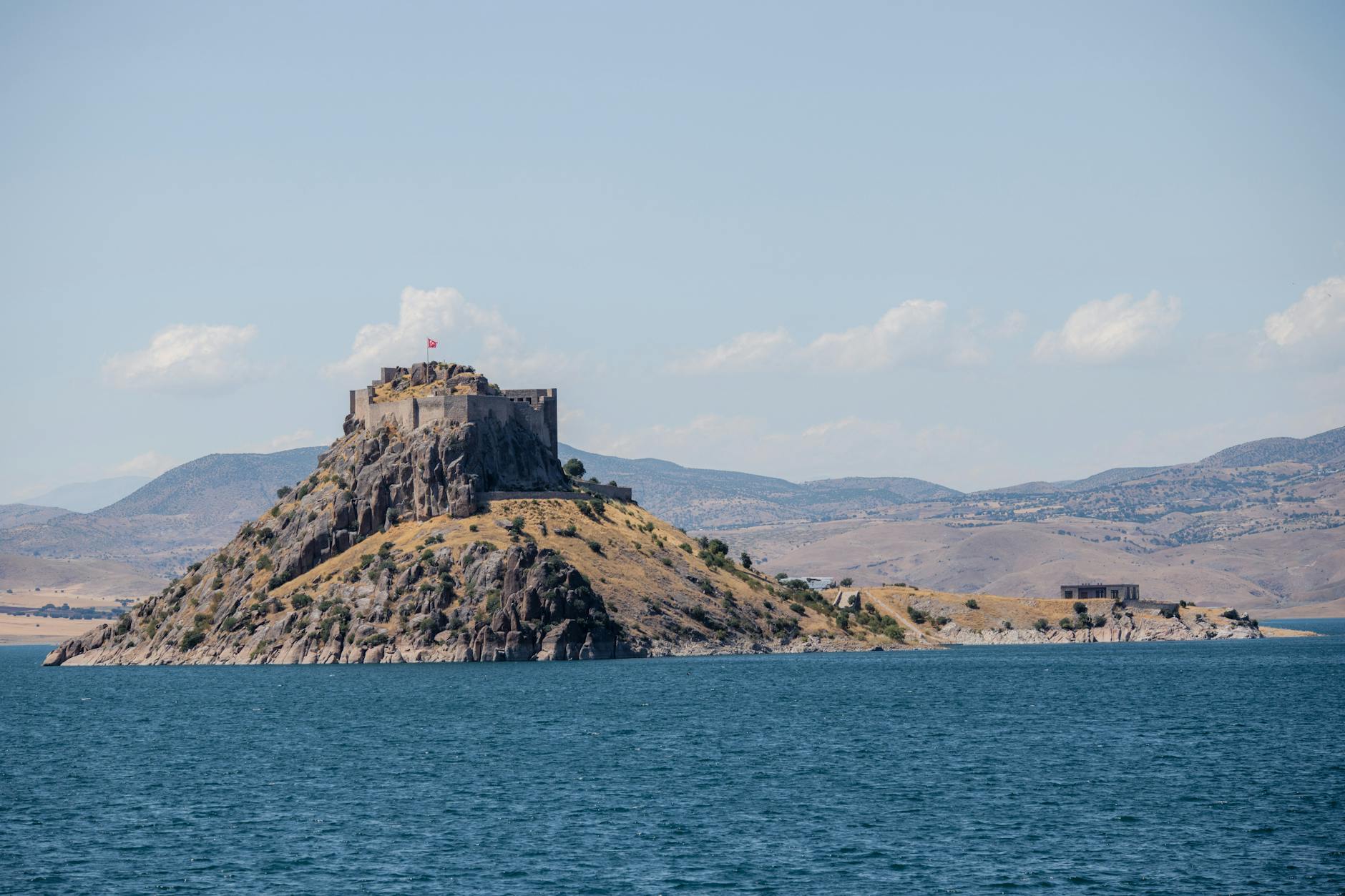
Ascension Island Overview: Geography, History, and Key Facts
Ascension Island is a remote volcanic island located in the South Atlantic Ocean, approximately 960 miles from the coast of Africa and 1,400 miles from South America. It is part of the British Overseas Territory of Saint Helena, Ascension and Tristan da Cunha. The island was first discovered by Portuguese explorer João da Nova in 1501 and was named Ascension by Afonso de Albuquerque on Ascension Day in 1503.
Geographical Significance
Ascension Island is situated at 7°56′ south of the Equator. Its strategic location has made it an important site for military operations and scientific research. The island features a rugged landscape characterized by lava fields and volcanic formations, including Green Mountain, which rises to an elevation of 859 meters (2,818 feet) above sea level.
Historical Context
The British garrisoned Ascension Island on October 22, 1815, primarily as a precaution after Napoleon’s imprisonment on Saint Helena. The Royal Navy utilized the island as a victualling station for ships, particularly those involved in anti-slavery operations. During World War II, Ascension served as a vital base for Allied forces.
Ecological Importance
Biodiversity
Ascension Island is home to unique ecosystems that support various species found nowhere else on Earth. The island hosts nesting seabirds such as sooty terns and green turtles that lay their eggs on its shores. Conservation efforts are critical to protect these vulnerable species and maintain biodiversity.
Flora and Fauna Adaptations
The flora of Ascension Island has adapted to its harsh environment. Endemic species like Pteris adscensionis and Euphorbia origanoides thrive despite challenging conditions. However, many native plants have been threatened by introduced species such as goats and rabbits. Conservation initiatives focus on restoring native vegetation while managing invasive species to protect the island’s ecological balance.
Scientific Research and Monitoring
Climate Research
Ascension Island plays a significant role in climate research due to its isolated position. It serves as a base for various international climate monitoring projects aimed at understanding changes in weather patterns and their implications for global climate change.
A Hub for Space Exploration
The island hosts several scientific facilities, including NASA’s Meter Class Autonomous Telescope (MCAT), which monitors orbital debris that poses risks to spacecraft operations. Additionally, it is home to tracking stations for the European Space Agency, contributing to advancements in space exploration.
Conservation Efforts
Marine Protected Area
In 2016, Ascension Island was designated as a Marine Protected Area (MPA), safeguarding its rich marine biodiversity from overfishing and other threats. These conservation efforts are vital for preserving local wildlife and maintaining ecological integrity within global environmental frameworks.
Challenges and Opportunities
Climate Change Impacts
The impacts of climate change present significant challenges for Ascension Island’s ecosystem. Rising sea levels threaten coastal habitats where turtles nest, while changing weather patterns may affect local flora and fauna distributions. Ongoing research aims to better understand these changes so that adaptive management strategies can be effectively implemented.
Sustainable Development Initiatives
Sustainable development initiatives are essential for balancing human activity with environmental protection on Ascension Island. Efforts include promoting renewable energy sources and responsible tourism practices that minimize ecological footprints while maximizing benefits for local communities.
The Community of Ascension Island
Diverse Population
The residents of Ascension Island demonstrate resilience in adapting to their unique environment. As of the 2016 census, there were 806 residents on the island, including individuals from Saint Helena and other nationalities who contribute to the community’s diverse culture.
Cultural Influences
Cultural influences on Ascension reflect its diverse community background, incorporating traditional British customs alongside elements brought by various expatriates living there today. Daily life revolves around work at military bases or scientific facilities while maintaining strong connections within this close-knit community.
In conclusion, Ascension Island stands out not only for its geographical significance but also as a microcosm of ecological diversity influenced by human activity over centuries. Understanding its history, environment, social dynamics, and ongoing challenges reveals much about our collective responsibility toward preserving such unique places across the globe.
Sources
- Ascension Island – Wikipedia
- geohack.toolforge.org
- www.royal.uk
- web.archive.org
- www.ascension.gov.ac
- www.sainthelena.gov.sh
- web.archive.org
- www.opsi.gov.uk
- web.archive.org
- www.ascension.gov.ac
- web.archive.org
Why do you keep falling for the same type?
Read the article Lovemaps: the hidden blueprint of our love.
Did you not find what you were looking for? Let me help you find more.
