
Why Basalt Matters in Everyday Life
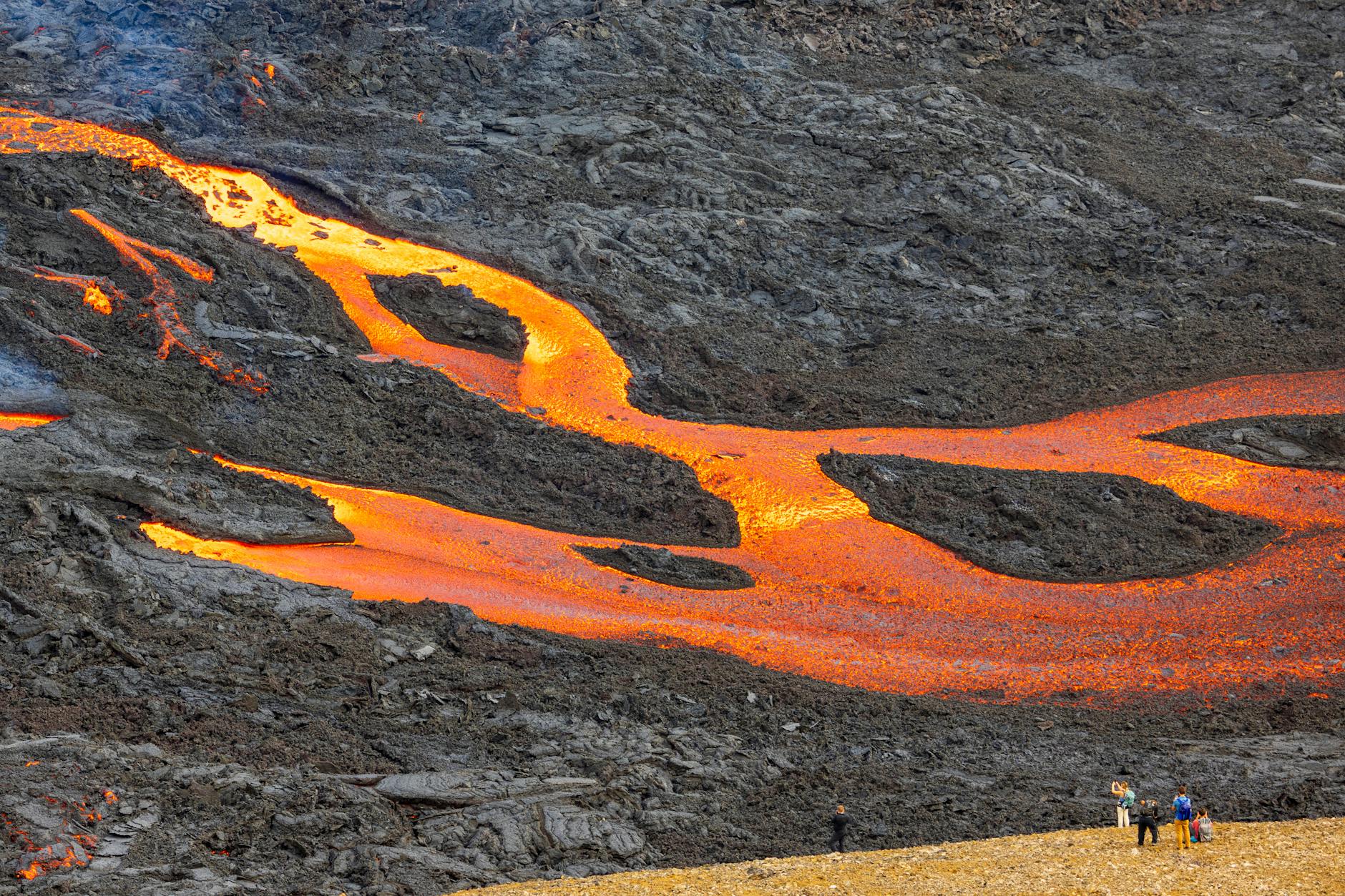
Walking along a coastal path, you might be surprised to learn that the solid ground beneath your feet was once molten lava. This rock is known as basalt, a common type of volcanic rock formed from cooled lava. Its significance extends beyond scenic landscapes; basalt plays an essential role in our infrastructure and the natural environment.
Basalt is an aphanitic (fine-grained) extrusive igneous rock formed from the rapid cooling of low-viscosity lava rich in magnesium and iron. It is found at or near the surface of rocky planets and moons, making up more than 90% of all volcanic rock on Earth. Understanding basalt helps us learn about geological processes both on Earth and other celestial bodies.
The Foundation of Modern Infrastructure
Basalt is a critical material in construction. Its high durability and strength make it ideal for building roads, bridges, and buildings. The extensive use of basalt in infrastructure contributes to the longevity and resilience of these structures against weathering and erosion.
Impact on Natural Landscapes
In nature, basalt shapes many landscapes, creating dramatic formations like cliffs, columns, and plateaus. For instance, the Giant’s Causeway in Northern Ireland is famous for its unique columnar basalt formations. These natural wonders attract tourists and serve as valuable sites for geological study.
From Magma to Rock: The Journey of Basalt
The Formation Process Explained
Basalt forms through a process called decompression melting. This occurs when mantle rock rises towards the Earth’s surface under tectonic forces. As pressure decreases, the melting point lowers, resulting in the formation of basaltic magma. This magma can erupt through volcanic activity or cool slowly underground to form intrusive rocks.
Cooling and Solidification Dynamics
Once erupted, basalt cools quickly due to its low viscosity. The speed of cooling affects its texture; rapid cooling leads to fine-grained textures characteristic of basalt, while slower cooling results in coarser rocks like gabbro. Flood basalts are particularly notable for their extensive lava flows that can cover vast areas.
How It Works: The Science Behind Basalt Formation
Role of Temperature and Pressure
The formation of basalt depends heavily on temperature and pressure conditions within the Earth. Basaltic magma typically originates in the upper mantle, where high temperatures allow for melting. The specific conditions during melting determine the mineral composition of the resulting basalt.
The Importance of Volcanic Activity
Volcanic activity is vital for basalt formation. On average, geologists observe about 20 volcanic eruptions per year that produce basalt lava flows. These eruptions can occur at mid-ocean ridges, hotspots, or subduction zones, each contributing unique characteristics to the formed basalts.
Basalt’s Unique Features and Properties
Physical Characteristics That Stand Out
Basalt typically appears dark gray to black due to its high iron content. It has an average density of around 2.9 g/cm³, making it denser than granite. Its low viscosity allows it to flow easily when molten, creating extensive lava fields upon eruption.
Chemical Composition and Its Implications
The chemical makeup of basalt includes oxides such as silicon, iron, magnesium, potassium, aluminum, titanium, and calcium. This composition classifies it as mafic rock (rich in magnesium and iron), which contrasts with more silica-rich rocks like granite.
Common Misconceptions About Basalt
Myth: All Igneous Rocks Are the Same
A common myth is that all igneous rocks have similar properties. In reality, igneous rocks vary significantly based on their mineral content and cooling history. Basalt differs from other igneous rocks like granite or andesite due to its distinct chemical composition and formation process.
Myth: Basalt Is Only Found Near Volcanoes
While many associate basalt with volcanic activity, it can also form in non-volcanic environments through processes like flood volcanism or tectonic uplift. This broad distribution means that basalt can be found far from active volcanoes.
Basalt in Nature: A Closer Look at Its Environments
Diverse Locations Around the Globe
Basalt is found worldwide in various settings, from oceanic islands like Hawaii to vast flood basalts such as those seen in India’s Deccan Traps. Each location provides insight into volcanic activity and geological history.
The Role of Basalt in Ecosystems
The unique properties of basalt can influence local ecosystems as well. Weathered basalt contributes to soil formation by providing essential minerals that support plant growth. Moreover, basalt outcrops can create habitats for various organisms both on land and underwater.
Innovative Uses of Basalt in Technology and Art
Construction Materials and Techniques
Beyond its natural beauty, basalt has practical applications in construction. It is used not only as a building material but also in modern techniques such as creating composite materials that are lighter yet stronger than traditional materials.
Artistic Expressions with Basalt Stone
The durability and aesthetic appeal of basalt make it a popular choice for sculptures and monuments throughout history. Notable examples include ancient statues and modern architectural designs that incorporate basalt for visual impact.
The Future of Basalt Research and Applications
Sustainable Practices in Construction
Research into sustainable construction practices using basalt continues to grow. Its potential for use in carbon sequestration offers exciting possibilities for addressing climate change while utilizing this abundant resource.
Potential in Climate Change Mitigation
The ability to store carbon dioxide within basalt formations could play a significant role in combating global warming. Ongoing studies aim to explore how this process works effectively within existing geological structures.
In summary, basalt is more than just a common rock; it impacts our lives through infrastructure development, natural landscapes, ecological support systems, innovative technology applications, and potential environmental solutions.
Sources
- Basalt – Wikipedia
- en.wiktionary.org
- dictionary.cambridge.org
- web.archive.org
- www.lexico.com
- www.merriam-webster.com
- ui.adsabs.harvard.edu
- citeseerx.ist.psu.edu
- doi.org
- api.semanticscholar.org
- nora.nerc.ac.uk
Why do you keep falling for the same type?
Read the article Lovemaps: the hidden blueprint of our love.
Did you not find what you were looking for? Let me help you find more.
