
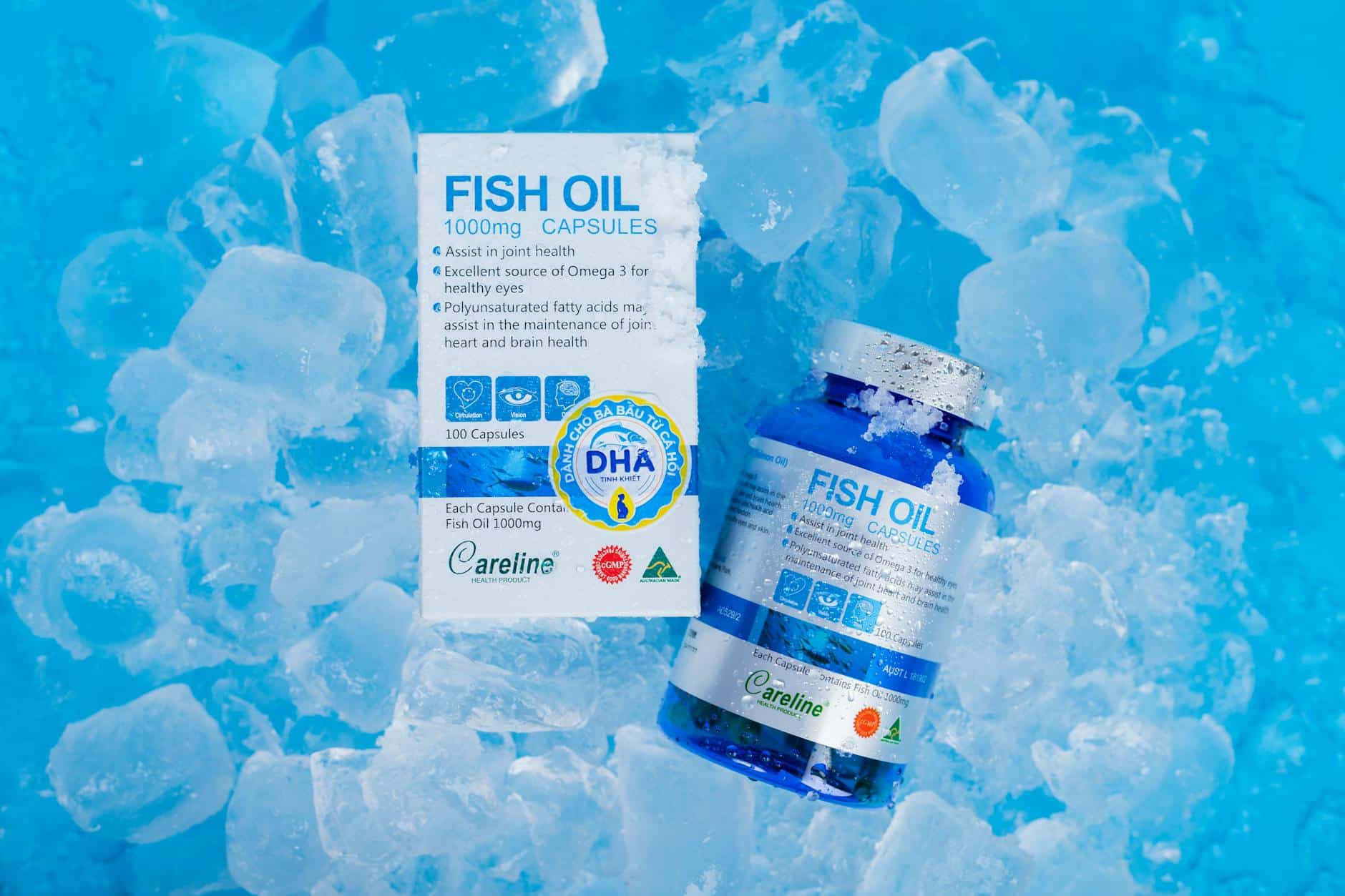
Best Times to Take Vitamins for Optimal Health Benefits
Vitamins are essential nutrients that support various bodily functions. They fall into two main categories: water-soluble and fat-soluble vitamins. The timing of when you take these vitamins can affect how well your body absorbs them and how effectively they work.
Why Timing Your Supplements Can Make a Difference
The time you take your vitamins can influence their efficacy. Water-soluble vitamins, such as B and C, are often best absorbed on an empty stomach, while fat-soluble vitamins, including A, D, E, and K, are more effective when taken with food.
The Science Behind Absorption
Most vitamins are categorized as either water-soluble or fat-soluble. Water-soluble vitamins dissolve in water and are easily excreted by the body, necessitating regular consumption. In contrast, fat-soluble vitamins are stored in the body’s fatty tissues and can accumulate over time. This distinction is crucial for optimizing vitamin intake.
Understanding Your Body’s Needs
Individual Factors Influencing Vitamin Requirements
Vitamin needs vary based on age, gender, health status, and lifestyle. For instance, pregnant women require higher levels of certain vitamins like folic acid to support fetal development. Additionally, older adults may need more vitamin D due to decreased skin synthesis from sunlight.
Daily Routines and Nutritional Gaps
Busy lifestyles can lead to nutritional gaps. Many people do not consume enough fruits, vegetables, or whole grains daily. Taking vitamins can help fill these gaps, but knowing when to take them is critical for maximizing their benefits.
How It Works: The Role of Digestion
The Digestive Process Explained
When we consume food or supplements, the digestive system breaks them down into usable nutrients. Water-soluble vitamins are absorbed directly through the intestinal lining into the bloodstream. Fat-soluble vitamins require dietary fats for absorption; thus, they should be taken with meals containing healthy fats.
Synergy Between Food and Supplements
Combining certain foods with vitamin supplements can enhance absorption. For example, taking vitamin D with a meal that includes fats increases its bioavailability.
Common Myths About Vitamin Timing
Myth 1: All Vitamins Should Be Taken on an Empty Stomach
This myth arises from the belief that an empty stomach improves absorption. While this is true for water-soluble vitamins like B and C, it does not apply to fat-soluble vitamins which require food for better absorption.
Myth 2: More is Always Better
Taking excessive amounts of any vitamin can be harmful. While water-soluble vitamins are typically excreted if taken in excess, fat-soluble vitamins can accumulate in the body and lead to toxicity.
Optimal Timing for Specific Vitamins
Water-Soluble vs. Fat-Soluble Vitamins
- Water-Soluble Vitamins (B-complex and C): Best taken in the morning with water on an empty stomach.
- Fat-Soluble Vitamins (A, D, E, K): Should be taken with meals that contain healthy fats for optimal absorption.
The Influence of Meal Timing on Absorption
Taking multivitamins with meals enhances their effectiveness. Consuming them alongside food helps improve nutrient uptake compared to taking them alone.
The Best Practices for Supplementation
Integrating Vitamins into Your Daily Routine
Establishing a consistent routine for taking vitamins can help ensure you don't forget them. Consider integrating them into existing habits, like taking them with breakfast or dinner.
Consulting Healthcare Professionals for Personalized Advice
Before starting any supplementation regimen, consulting with healthcare professionals is vital. They can provide personalized recommendations based on your health needs and dietary habits.
Future Trends in Nutritional Science
The Rise of Personalized Nutrition
As research progresses, personalized nutrition is becoming more prominent. Tailoring vitamin intake based on individual health profiles may lead to more effective supplementation strategies.
Innovations in Supplement Delivery Methods
New delivery methods for supplements are emerging that aim to enhance absorption and convenience. Innovations such as liposomal formulations or chewable gummies may improve how well nutrients are utilized by the body.
In conclusion, understanding when and how to take your vitamins can significantly impact your overall health. By paying attention to specific timing and following best practices for supplementation, you can maximize their benefits while supporting your body’s unique needs.
Sources
- When to Take Vitamins
- health.clevelandclinic.org
- doi.org
- www.cancer.gov
- www.ncbi.nlm.nih.gov
- pubmed.ncbi.nlm.nih.gov
- www.ncbi.nlm.nih.gov
- pubmed.ncbi.nlm.nih.gov
- medlineplus.gov
- doi.org
- www.mountsinai.org
Articles
- History of Communication Studies from Ancient Times to the 20th Century
- History of Cameroon: From Pre-Colonial Times to Present Day
- Interbreeding Between Archaic and Modern Humans in Prehistoric Times
- Chalcolithic Period: Understanding the Copper Age in Prehistoric Times
- History of Southeast Asia: From Prehistory to Modern Times
- Post-Classical History: The Era Between Ancient and Modern Times
Days
- March 18: Awkward Moments Day
- Third Saturday of march: Girlfriends' Day (Netherlands)
- March 15: Dumbstruck Day
- March 15: Everything You Think Is Wrong Day
- March 13: Good Samaritan Day
- March 11: Funeral Director and Mortician Recognition Day (United States)
Why do you keep falling for the same type?
Read the article Lovemaps: the hidden blueprint of our love.
Did you not find what you were looking for? Let me help you find more.
