
“`html
Understanding Body Dysmorphic Disorder
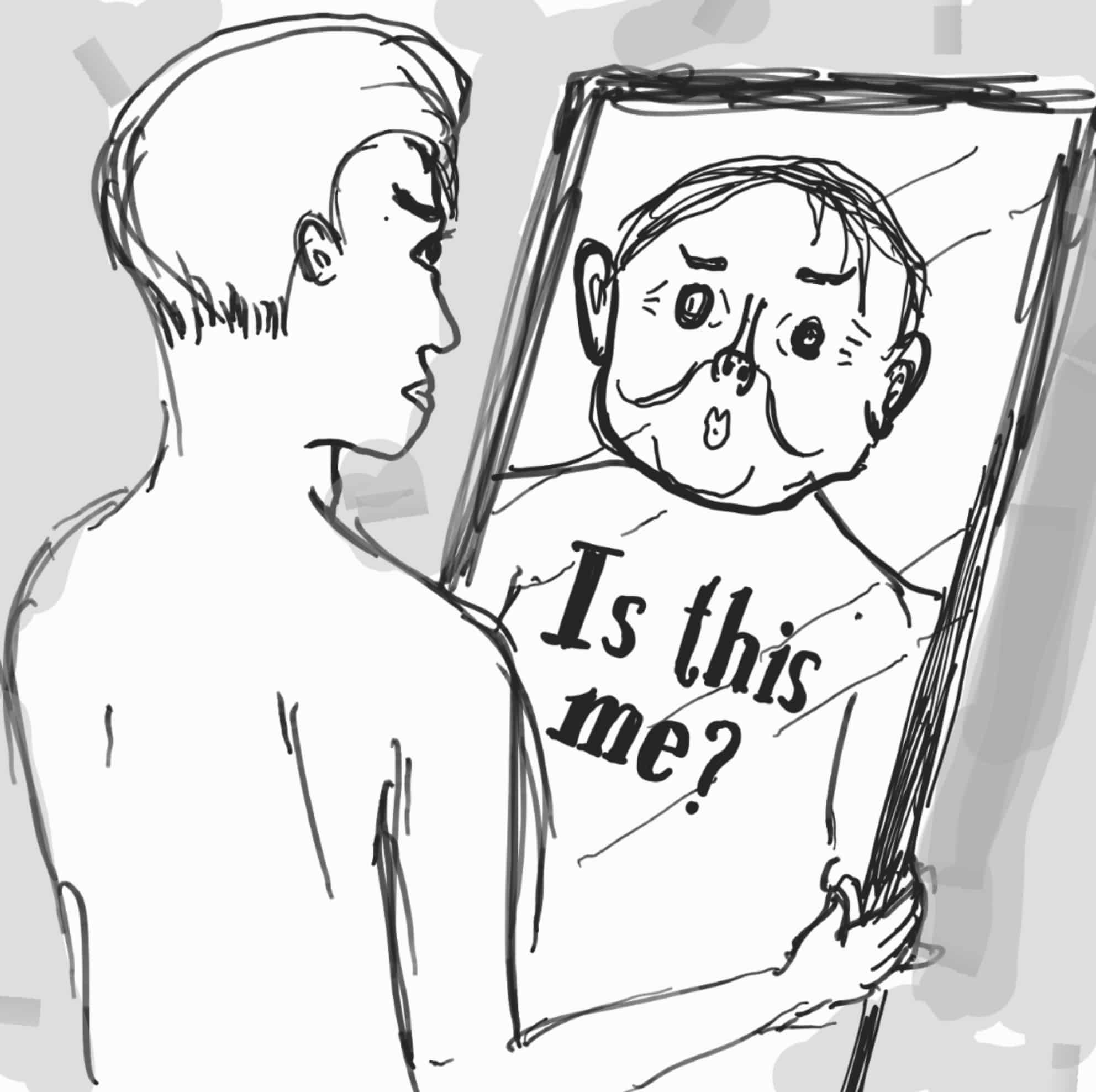
Body Dysmorphic Disorder (BDD) is a mental health condition characterized by an intense focus on perceived flaws in one’s appearance. These flaws can be real or imagined; however, the individual magnifies their significance, leading to overwhelming preoccupations. This fixation can cause severe emotional distress and interfere with daily activities, making it a debilitating condition.
Who is Affected by BDD?
BDD can affect anyone, regardless of gender, but it typically begins during adolescence. Studies estimate that around 0.7% to 2.4% of the population may face this disorder. It tends to be underdiagnosed, often mistaken for other issues such as social anxiety or obsessive-compulsive disorder (OCD). Those suffering from BDD may experience high levels of distress and are at increased risk for suicidal thoughts or actions.
Recognizing the Symptoms
People with BDD often have a distorted view of their body image. While many may feel dissatisfied with their appearance from time to time, those with BDD experience it at an extreme level. Common areas of concern include:
- Face
- Skin
- Stomach
- Arms and legs
Some individuals might engage in compulsive behaviors like frequent checking or comparing themselves to others, while others might avoid social situations altogether due to fear of judgment.
The Emotional Toll
The internal struggle associated with BDD can lead to significant emotional and social challenges. Individuals may find themselves withdrawing from friends and family, leading to isolation. The distress they feel often surpasses that experienced in major depressive disorders.
What Causes Body Dysmorphic Disorder?
The roots of BDD are complex and likely involve multiple factors. These may include:
- Genetics: Some studies suggest a hereditary component.
- Psychological Factors: Traits such as perfectionism or low self-esteem can play a role.
- Trauma: Experiences like bullying, abuse, or neglect during childhood may increase vulnerability.
- Social Influences: The impact of media and cultural standards on body image can exacerbate feelings of inadequacy.
The Role of Social Media
The rise of social media has brought new challenges for those prone to BDD. Constant exposure to idealized images can lead individuals to develop unrealistic standards for their own appearance, exacerbating feelings of dissatisfaction and low self-esteem.
Diagnosis and Treatment Options
Diagnosing BDD can be difficult due to its overlap with other mental health conditions. However, healthcare professionals typically look for specific symptoms and their impact on daily functioning. Early diagnosis is crucial as individuals often suffer silently for extended periods.
Treatment Approaches
A combination of medication and therapy is usually recommended for treating BDD:
- Medication: Selective serotonin reuptake inhibitors (SSRIs) can help alleviate symptoms.
- Cognitive Behavioral Therapy (CBT): This therapeutic approach aims to change negative thought patterns related to body image.
It’s important for individuals considering cosmetic procedures to consult with mental health professionals first, as surgery often does not resolve the underlying psychological issues related to BDD.
A Historical Perspective on Body Dysmorphic Disorder
The concept of body dysmorphia has been recognized since the late 19th century when Enrico Morselli termed it “dysmorphophobia.” Over the years, the understanding and classification of this disorder have evolved significantly, culminating in its inclusion in the DSM-5 within the obsessive-compulsive spectrum.
The Future Outlook
With increased awareness and better diagnostic criteria, more individuals can receive appropriate care for BDD. Ongoing research aims to enhance treatment strategies and support for those affected by this challenging disorder.
“`
Sources
Image credit: Wikipedia / Wikimedia Commons
Why do you keep falling for the same type?
Read the article Lovemaps: the hidden blueprint of our love.
Did you not find what you were looking for? Let me help you find more.
