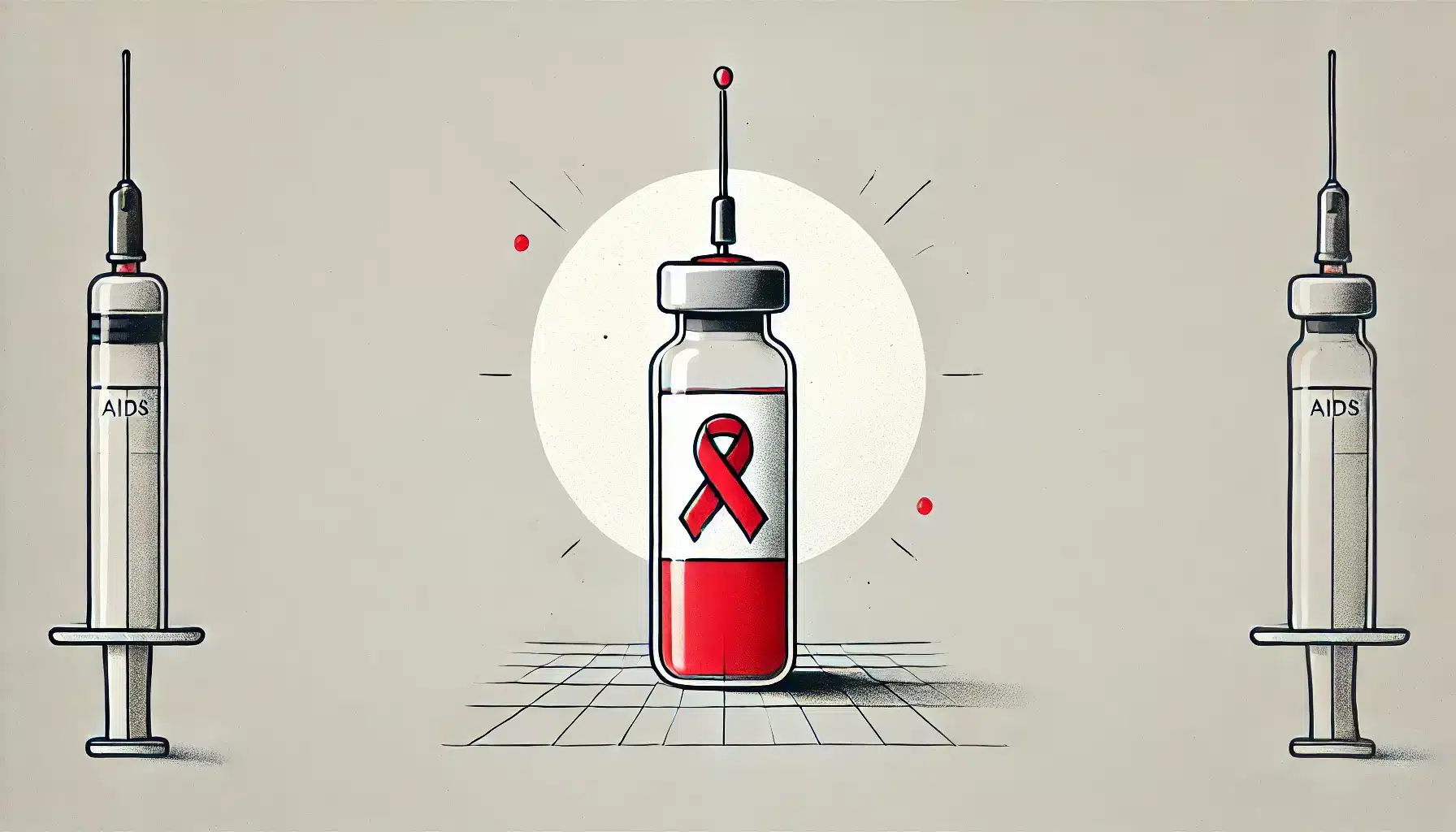
What is HIV Vaccine Awareness Day?
HIV Vaccine Awareness Day is observed every year on May 18 to recognize the efforts of scientists, healthcare workers, volunteers, and advocates working toward the development of a safe and effective HIV vaccine. The day also serves as an opportunity to educate the public about the importance of vaccine research in preventing HIV infections and ultimately ending the global AIDS epidemic.
Despite medical advancements in HIV treatment and prevention, a vaccine remains a critical tool for long-term control and eradication of the virus. Research continues worldwide, and HIV Vaccine Awareness Day reminds communities of the need for investment, participation in clinical trials, and advocacy for global health initiatives focused on vaccine development.
History and Origin
HIV Vaccine Awareness Day was first observed on May 18, 1998, marking the anniversary of a speech given by U.S. President Bill Clinton on May 18, 1997, at Morgan State University. In his speech, he called for intensified efforts in HIV vaccine research, emphasizing that a preventive vaccine was necessary to eliminate HIV/AIDS. His words helped mobilize greater scientific collaboration, leading to the establishment of this awareness day.
Since its inception, the day has been observed by researchers, organizations, and health advocates worldwide. It serves as a reminder of both the progress made and the challenges that remain in the search for a viable HIV vaccine.
Who Participates in HIV Vaccine Awareness Day?
- Scientists and Researchers: Work on vaccine trials, studies, and innovations to develop an effective HIV vaccine.
- Healthcare Professionals: Provide education, counseling, and care for those affected by HIV while supporting vaccine research efforts.
- Community Members and Volunteers: Participate in vaccine clinical trials, awareness campaigns, and educational outreach programs.
- Advocacy Organizations: Promote awareness, fundraising, and policy initiatives related to HIV prevention and vaccine research.
- General Public: Supports and spreads awareness about the importance of vaccine research and global HIV prevention efforts.
Slogans and Themes
HIV Vaccine Awareness Day highlights the global commitment to finding an HIV vaccine and reducing new infections. The themes often focus on scientific progress, community participation, and the power of prevention.
Common slogans include Together We Can Prevent HIV, Investing in Science, Saving Lives, and A Vaccine for a Future Without HIV. These messages reinforce the urgency of continued research and collaboration.
Colors
- Red: Represents the global fight against HIV/AIDS and is associated with HIV awareness efforts.
- White: Symbolizes hope, progress, and the scientific pursuit of an HIV vaccine.
- Blue: Represents global unity in the effort to end HIV through research and education.
Symbols
- Red Ribbon: The international symbol of HIV/AIDS awareness, representing support for those affected and advocacy for prevention.
- Laboratory Equipment: Represents the ongoing research and development efforts toward an HIV vaccine.
- Lightbulb: Symbolizes innovation and scientific breakthroughs in the field of HIV prevention.
Patterns
- DNA Helix: Represents the genetic and biomedical research required to develop an HIV vaccine.
- Interconnected Circles: Symbolize global cooperation and collaboration in vaccine research.
- Radiating Light: Represents the spread of awareness and knowledge in the fight against HIV/AIDS.
Most Used Hashtags
- #HIVVaccineAwarenessDay
- #HVAD
- #EndHIV
- #AIDSVaccineResearch
- #VaccinesSaveLives
How to Observe HIV Vaccine Awareness Day
- Attend Educational Events: Participate in discussions, webinars, or community events focused on HIV vaccine research.
- Support Clinical Trials: Encourage awareness about vaccine trials and consider participating if eligible.
- Share Information Online: Use social media to spread awareness about HIV prevention and vaccine development.
- Volunteer with Advocacy Groups: Get involved with organizations that work toward HIV education, prevention, and research funding.
- Encourage Policy Change: Advocate for increased investment in HIV vaccine research and access to preventive healthcare.
Why is HIV Vaccine Awareness Day Important?
HIV continues to affect millions of people worldwide, and while treatments such as antiretroviral therapy help manage the virus, a vaccine is one of the most effective long-term solutions to ending the epidemic. HIV Vaccine Awareness Day raises awareness about the ongoing research, the importance of funding and participation, and the need for global cooperation in vaccine development.
The observance also honors the dedication of scientists, healthcare workers, and volunteers who are committed to finding a vaccine. By supporting research efforts and promoting education, communities can contribute to a future free from HIV/AIDS.
Related articles
Features
May 18: HIV Vaccine Awareness Day
Why do you keep falling for the same type?
Read the article Lovemaps: the hidden blueprint of our love.
Did you not find what you were looking for? Let me help you find more.