
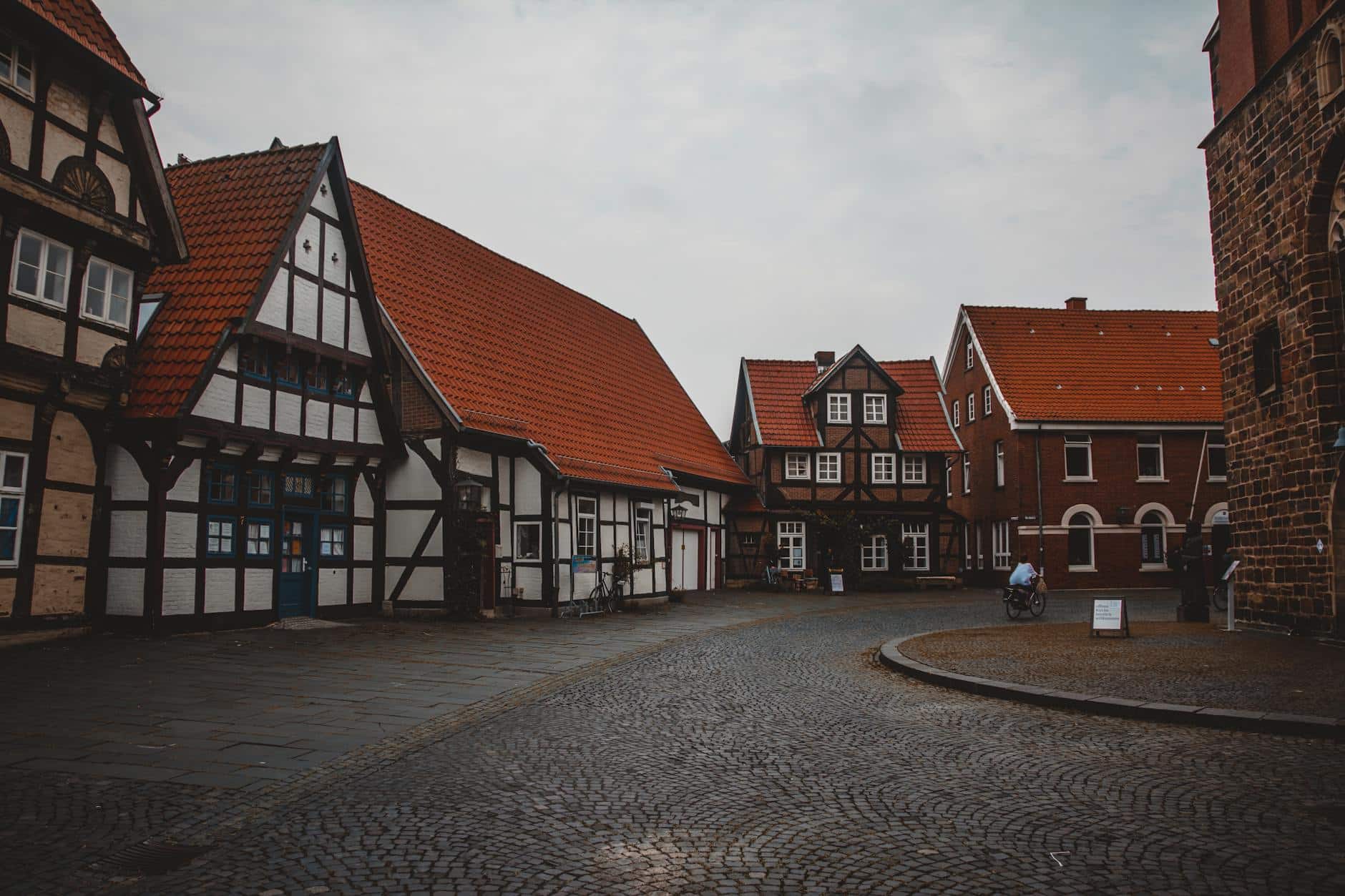
Understanding Carolingian Architecture Today
Carolingian architecture emerged during the Carolingian Renaissance in the late 8th and 9th centuries, a period marked by the influence of the Carolingian dynasty in Western Europe. This architectural style is significant as it reflects a cultural revival that shaped medieval building practices and laid the groundwork for future architectural developments.
Carolingian architecture is characterized as a form of north European Pre-Romanesque architecture. It represents an effort to emulate Roman architecture, borrowing from Early Christian and Byzantine styles while introducing distinctive innovations.
Why It Matters
Carolingian architecture marks a pivotal moment in European history, signifying a revival of classical principles following centuries of decline after the fall of the Roman Empire. This architectural style laid foundations for future developments in medieval architecture, particularly influencing Romanesque and Gothic styles. Understanding this era helps us appreciate how architecture evolved and reflects societal values and aspirations.Modern Inspirations
Today, architects draw inspiration from Carolingian principles in various ways. The emphasis on monumental structures and symmetry can be seen in contemporary buildings that aim to convey grandeur and stability. Elements such as rounded arches and intricate detailing resonate with modern sensibilities, demonstrating that historical styles continue to inform current design practices.Blueprints of the Past
Foundations of Design
The design elements of Carolingian architecture were heavily influenced by classical models but adapted for new purposes. Churches typically took on a basilican form, characterized by a long nave and side aisles, resembling Early Christian churches. The introduction of westworks,tall entrance structures,was a unique innovation that set Carolingian churches apart from earlier designs.Materials and Techniques
During this period, builders began using stone more extensively than before, thanks to renewed knowledge from ancient texts like those by Vitruvius. This transition allowed for more durable structures. The use of masonry techniques improved as craftsmen learned to create arches and vaults that could support larger spans, leading to more impressive interiors.How It Works: The Anatomy of a Carolingian Building
Structural Innovations
Carolingian buildings featured several structural innovations that enhanced their stability. The use of piers instead of columns allowed for broader naves, while ribbed vaults provided strength overhead. For instance, the Palatine Chapel in Aachen showcases an octagonal plan inspired by Byzantine models but adapted to suit Carolingian needs.Symbolism in Architecture
The designs of these structures also carried deep symbolic meanings. For example, the orientation of churches,with altars placed at the eastern end,reflected theological beliefs about Christ’s resurrection. These choices were intentional, linking architectural layout with spiritual significance.A Journey Through Time: Historical Context
The Rise of the Carolingian Empire
The rise of the Carolingian Empire under leaders like Charlemagne marked a time of cultural revival. From 768 to 855, an impressive construction boom saw 27 new cathedrals, 417 monastic buildings, and 100 royal residences emerge across Europe. Charlemagne’s reign was particularly notable for its focus on architectural projects that symbolized power and religious devotion.Cultural Influences on Architecture
Carolingian architects drew heavily from Roman traditions while integrating local customs and practices. The connection with Byzantine styles brought new ideas about space and form into play. Architects traveled to Italy, absorbing knowledge from Roman basilicas and triumphal arches, which they then adapted for their own cultural context.Common Misconceptions About Carolingian Architecture
Myth: All Structures Were Monolithic
One common myth is that all Carolingian structures were large and monolithic. In reality, while many significant buildings were monumental, there were also numerous smaller structures like chapels and farm buildings that reflected varied architectural approaches.Myth: It Was Solely Religious Architecture
Another misconception is that Carolingian architecture focused exclusively on religious buildings. Although many constructions were churches or monasteries, there was also secular architecture like palaces and administrative buildings that played essential roles in society.The Legacy of Carolingian Architecture in Modern Times
Influence on Gothic and Romanesque Styles
Carolingian architecture significantly influenced later styles such as Romanesque and Gothic architectures. Elements like ribbed vaults became staples in these subsequent movements as they evolved from earlier designs.Preservation Efforts Today
Preserving Carolingian architecture remains vital for understanding European heritage. Efforts focus on maintaining landmarks like Lorsch Abbey and the Palatine Chapel while adapting modern techniques to ensure their longevity amidst changing environments.Exploring the Future of Architectural Heritage
Challenges in Preservation
Preservation efforts face numerous challenges including environmental factors, urban development pressures, and funding issues. Balancing modernization with historical integrity is crucial for maintaining these sites for future generations.Embracing New Technologies for Restoration
New restoration technologies hold promise for preserving architectural heritage without compromising authenticity. Techniques such as 3D scanning and digital modeling allow conservationists to document structures accurately while planning effective restoration efforts.In summary, Carolingian architecture represents an essential chapter in European history that shaped architectural practices for centuries to come. Its innovations continue to inspire modern designers while reminding us of our rich cultural legacy.
Sources
- Carolingian architecture – Wikipedia
- fr.wikipedia.org
- translate.google.com
- deepl.com
- translate.google.com
- es.wikipedia.org
- translate.google.com
- search.worldcat.org
- home.eckerd.edu
- www.wikidata.org
- id.loc.gov
Why do you keep falling for the same type?
Read the article Lovemaps: the hidden blueprint of our love.
Did you not find what you were looking for? Let me help you find more.
