
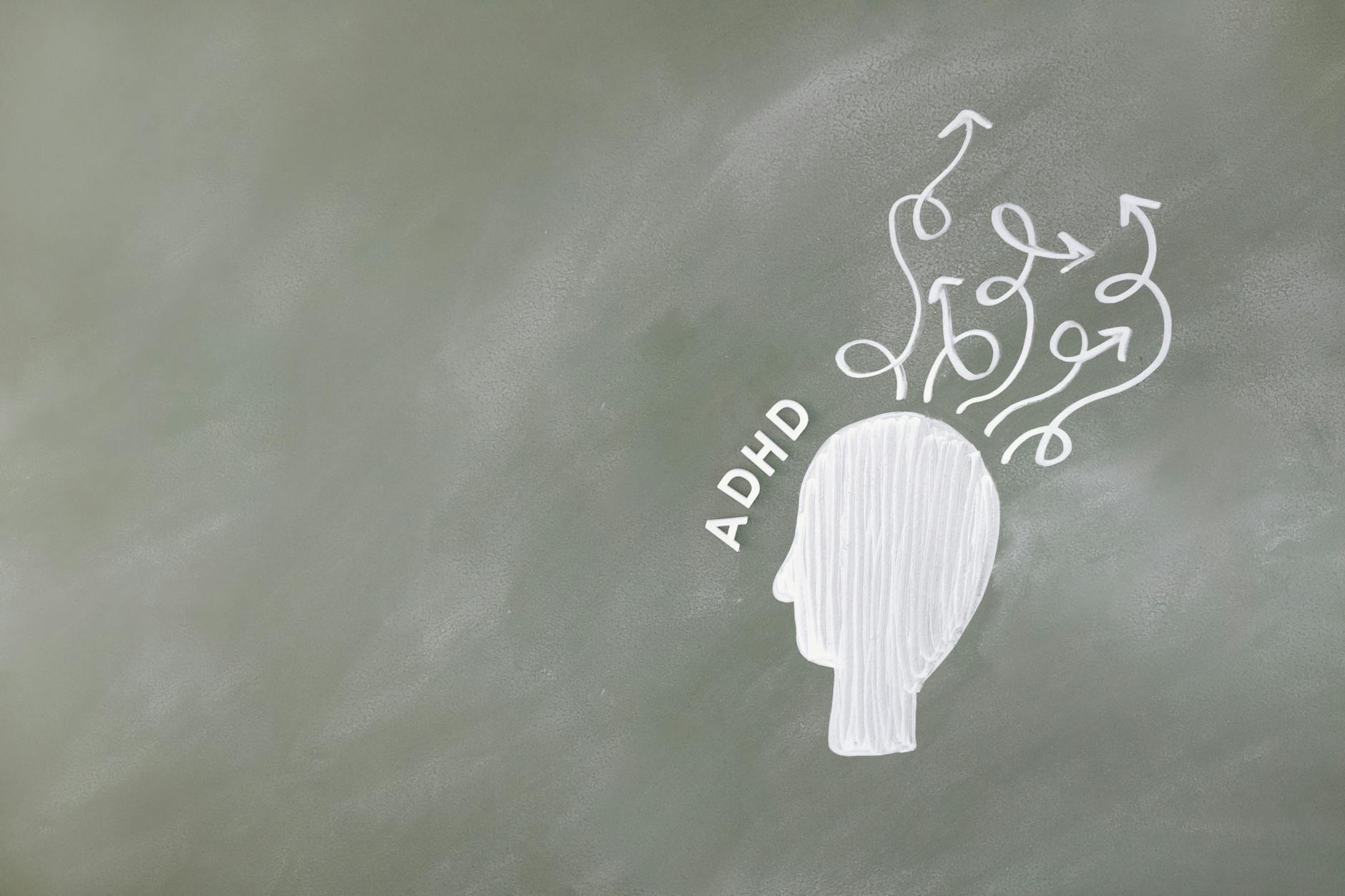
Cognitive Psychology: Understanding the Science Behind Our Thinking
Cognitive psychology is the study of internal mental processes, including perception, memory, and problem-solving. This field focuses on how people think and process information, which helps researchers and psychologists understand the human brain and assist individuals with psychological difficulties. By exploring cognitive processes, cognitive psychology benefits everyone, from students to professionals, by improving learning and decision-making.
Enhancing Learning Techniques
Cognitive psychology has transformed educational methods by introducing techniques that promote effective learning. Strategies such as spaced repetition leverage our understanding of memory systems to enhance retention. This technique involves revisiting material at intervals rather than cramming all at once, significantly boosting long-term memory.
Another effective method is the use of mnemonic devices. These tools help encode information in a way that makes it easier to retrieve later. For example, creating acronyms or visual images can aid in memorization. By utilizing these cognitive strategies, students can improve their academic performance and comprehension.
Improving Decision-Making Skills
Cognitive psychology also plays a vital role in decision-making. By understanding how people process information, psychologists can identify biases that may affect choices. For instance, the anchoring effect demonstrates how initial information can unduly influence subsequent judgments. Recognizing these cognitive biases allows individuals to make more informed decisions in various aspects of life, from personal finance to healthcare.
Furthermore, tools like decision trees provide structured approaches to navigate complex decisions. These methods break down options into manageable parts, enabling clearer analysis and better outcomes.
The Mechanics of Thought: How It Works
Information Processing Model
The information processing model serves as a foundational concept in cognitive psychology. It likens the human mind to a computer: data is inputted (perceived), processed (thought about), and output (stored or acted upon). This model helps researchers understand how information is encoded, stored, and retrieved using various cognitive functions.
Role of Memory Systems
Memory systems are crucial for cognitive psychology. They include sensory memory, short-term memory, and long-term memory. Sensory memory captures brief impressions of sensory information but fades quickly unless transferred to short-term memory. Short-term memory holds limited information for a short duration while long-term memory stores vast amounts of information for extended periods.
The interplay between these systems influences how we learn and recall information. Understanding this can lead to enhanced educational techniques and therapy methods for those with memory impairments.
Everyday Examples: Cognitive Psychology in Action
Problem Solving in Daily Life
Cognitive psychology provides insights into everyday problem-solving situations. When faced with challenges such as fixing a car or resolving a conflict, people often utilize creative thinking strategies like brainstorming or trial-and-error approaches. These cognitive strategies allow individuals to navigate obstacles effectively by evaluating possible solutions before deciding on an action.
Influence on Marketing and Advertising
Cognitive psychology significantly impacts marketing strategies. Advertisers utilize principles such as the mere exposure effect, which suggests that people tend to develop preferences for things merely because they are familiar with them. Effective advertisements often rely on visual cues and emotional appeals that resonate with consumers’ cognitive processes.
Common Misconceptions: Debunking Myths
Cognitive Psychology is Just About Memory
A common misconception is that cognitive psychology solely focuses on memory. While memory is a critical aspect of this field, cognitive psychology encompasses a broader range of mental processes including perception, language acquisition, problem-solving, and decision-making.
It’s Only Relevant for Therapists
Another myth is that cognitive psychology is only applicable in therapeutic settings. In reality, its principles are relevant across various fields such as education, marketing, artificial intelligence, and everyday decision-making processes.
The Role of Emotions in Cognition
Emotional Intelligence and Decision Making
Emotions play an essential role in cognition. Emotional intelligence refers to the ability to recognize and manage one’s own emotions as well as those of others. High emotional intelligence can enhance decision-making by allowing individuals to consider emotional factors alongside rational analysis.
Cognitive Dissonance Explained
Cognitive dissonance occurs when people experience discomfort from holding conflicting beliefs or attitudes. This psychological tension can lead individuals to change their beliefs or justify their behaviors to achieve harmony within their thoughts. Understanding this concept helps psychologists address behavioral changes in therapy settings.
The Future of Cognitive Psychology: Trends and Innovations
Impact of Technology on Cognitive Research
The rise of technology profoundly influences cognitive psychology research methods. Tools like brain imaging technologies allow scientists to observe brain activity during different cognitive tasks. These advancements facilitate deeper insights into how mental processes operate at a biological level.
Potential for Enhancing Mental Health Interventions
Cognitive psychology continues to evolve with new interventions aimed at improving mental health outcomes. Techniques derived from cognitive-behavioral therapy (CBT) have shown significant efficacy in treating conditions such as depression and anxiety by addressing dysfunctional thought patterns directly linked to emotional distress.
Cognitive psychology offers valuable insights into understanding our mental processes and behaviors better. Its applications span education, therapy, marketing, and daily decision-making, demonstrating its significance across multiple domains of life.
Why do you keep falling for the same type?
Read the article Lovemaps: the hidden blueprint of our love.
Did you not find what you were looking for? Let me help you find more.
