
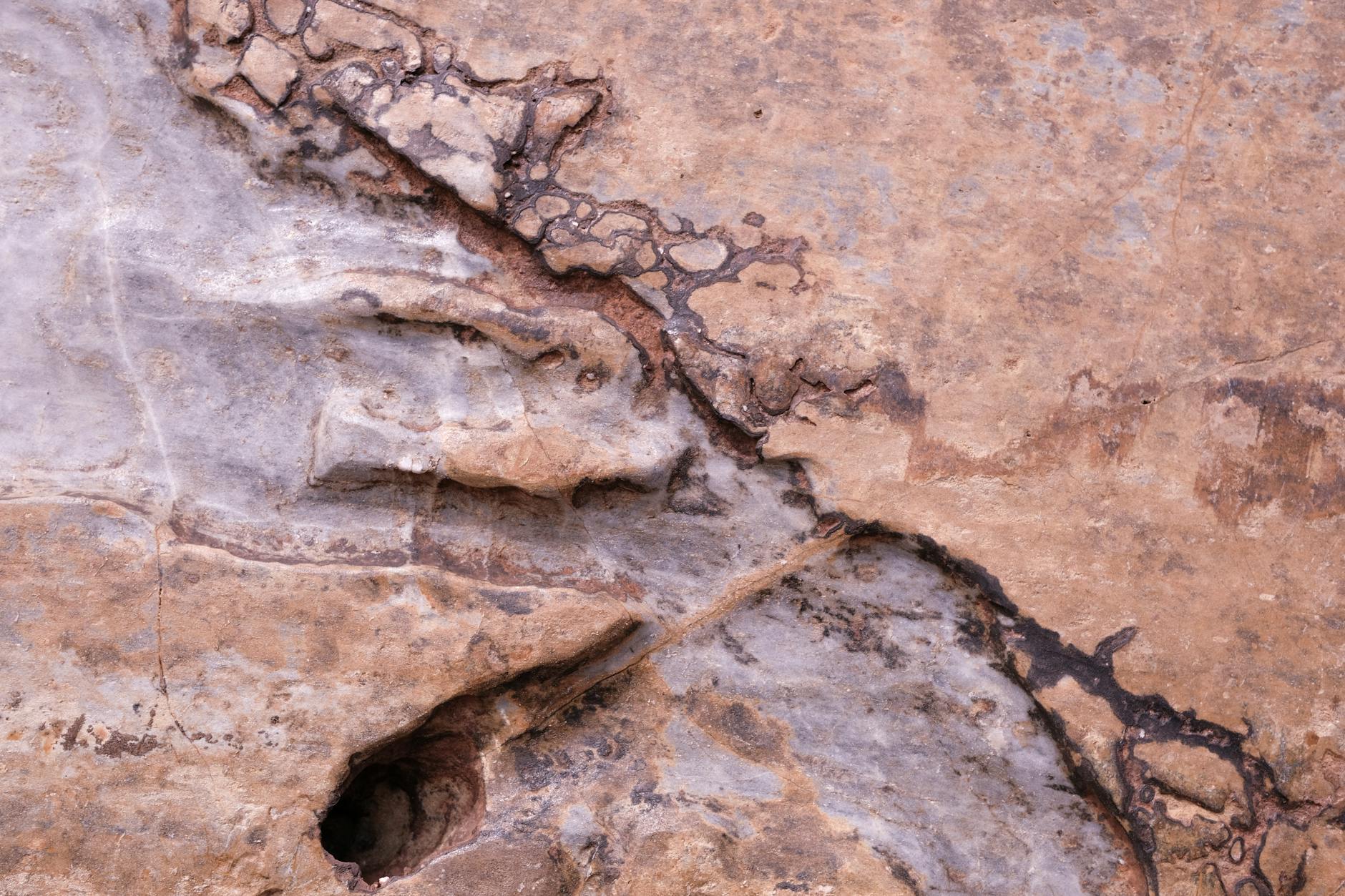
Why Every Rock Tells a Story
Each fragment of rock, or detritus, tells a tale of weathering, transportation, and transformation. Detritus consists of particles formed from pre-existing rock through weathering and erosion. Understanding detritus is essential as it plays a vital role in shaping landscapes and supporting ecosystems.
The Hidden Life of Detritus
Detritus refers to particles of rock that have been broken down from larger rocks. These fragments can be classified as clasts, which are pieces derived from weathering and erosion processes. Detrital particles may include lithic fragments, recognizable pieces of rock, or monomineralic fragments, which are individual mineral grains. Once formed, these particles are often transported through sedimentary processes to locations such as riverbeds, lakes, or oceans, where they can accumulate to form sedimentary successions.
From Pebbles to Mountains: The Scale of Erosion
Erosion is a continuous process that affects rocks on every scale, from tiny pebbles on a beach to massive mountain ranges. Water, wind, and ice are the primary agents of erosion, each wearing down rocks in distinct ways. For example, rivers carve deep valleys over time while glaciers reshape entire landscapes as they move. Understanding the scale of erosion helps us appreciate the dynamic nature of Earth’s surface and how it changes over time.
Breaking It Down: The Process of Weathering
Weathering is the first step in creating detritus. It involves breaking down rocks into smaller pieces without moving them.
Types of Weathering: Mechanical vs. Chemical
There are two main types of weathering: mechanical and chemical. Mechanical weathering involves physical forces breaking rocks apart without altering their chemical composition. For instance, freezing temperatures can cause water to expand in cracks, further breaking the rock apart. In contrast, chemical weathering alters the minerals within the rock through chemical reactions; for example, rainwater can react with carbon dioxide to form carbonic acid that dissolves limestone.
The Role of Climate in Weathering Rates
Climate significantly influences how quickly weathering occurs. In warm, humid environments, chemical weathering happens more rapidly due to increased rainfall and higher temperatures. Conversely, cold climates may favor mechanical weathering due to freeze-thaw cycles. Understanding these factors helps scientists predict how landscapes evolve over time.
The Journey Begins: Erosion Explained
Erosion follows weathering and involves the movement of broken-down materials.
Agents of Erosion: Water, Wind, and Ice
Water is one of the most effective agents of erosion. Rivers carry sediments downstream, reshaping valleys and creating deltas at their mouths. Wind can also erode surfaces by lifting lighter particles and depositing them elsewhere; this is particularly noticeable in desert environments where sand dunes form. Ice acts as a powerful eroder through glaciers that scrape away mountainsides as they advance.
How Erosion Shapes Landscapes
The impact of erosion on landscapes is profound. It creates features such as canyons, cliffs, and valleys. Over time, these processes lead to dramatic changes in terrain, affecting local ecosystems and human activities like farming and construction.
How It Works: The Lifecycle of Detritus
Detritus undergoes a lifecycle that includes formation, transport, and deposition.
Formation: From Parent Rock to Soil
The journey begins with parent rocks undergoing weathering processes that break them down into smaller particles. These fragments may eventually contribute to soil formation when mixed with organic material.
Transport: Moving Through the Environment
Once formed, detrital particles are transported by agents like water or wind to new locations. During this transport phase, the size and shape of the particles may change as they collide with other materials or are subjected to different environmental conditions.
Deposition: Where Detritus Finds a Home
When the transporting agent loses energy,such as when a river slows down or wind decreases,the detritus settles in new locations. This deposition forms layers of sediment that can eventually become sedimentary rock through cementation and lithification processes.
The Importance of Detritus in Ecosystems
Detritus plays a crucial role in supporting life on Earth.
Nutrient Cycling and Soil Formation
As detrital particles break down further, they contribute essential nutrients to the soil. This nutrient cycling supports plant growth and sustains various ecosystems. Healthy soils rich in detrital materials help maintain agricultural productivity.
Habitat Creation for Diverse Species
Detritus also provides habitats for various organisms,from microorganisms to larger animals,that rely on these environments for survival. For example, riverbanks filled with detrital deposits support diverse plant life that attracts various animal species.
Common Myths About Rocks and Erosion
Many misconceptions surround rocks and erosion processes. One common myth is that all rocks erode at the same rate; however, different minerals weather differently based on their stability at Earth's surface as indicated by the Goldich dissolution series. Another myth suggests that erosion only happens slowly; significant erosion can occur rapidly during extreme weather events like floods or landslides. In summary, understanding detritus provides valuable insights into geological processes that shape our environment. From its formation through weathering to its role in ecosystems, detritus reveals the interconnectedness of Earth’s systems,reminding us that every rock indeed tells a story worth exploring.
Sources
- Detritus (geology) – Wikipedia
- www.journals.uchicago.edu
- ui.adsabs.harvard.edu
- doi.org
- search.worldcat.org
- api.semanticscholar.org
- web.archive.org
Why do you keep falling for the same type?
Read the article Lovemaps: the hidden blueprint of our love.
Did you not find what you were looking for? Let me help you find more.
