
Unlocking Your Sleep Potential
Understanding your sleep chronotype can help you align your daily life with your natural rhythms. Your sleep chronotype is your body’s inherent pattern of sleeping and waking, influencing when you feel most alert and energetic, as well as when you should rest. Recognizing your chronotype is essential for optimizing productivity and maintaining overall well-being.
Why Sleep Matters
Sleep is vital for everyone, affecting physical health, mental clarity, and emotional stability. A good night’s sleep helps maintain a healthy immune system, supports cognitive functions, and regulates mood. Insufficient sleep can lead to various health issues, including obesity, diabetes, and cardiovascular problems. Understanding sleep patterns empowers individuals to take control of their health and productivity.
The Impact of Sleep on Daily Life
When people get enough quality sleep, they typically perform better at work or school. They experience improved focus, enhanced creativity, and better decision-making skills. Conversely, insufficient sleep can lead to fatigue, irritability, and decreased performance in daily tasks. By recognizing how sleep affects daily life, individuals can make informed choices about their routines.
Your Circadian Rhythm Explained
The Science Behind Biological Clocks
Your circadian rhythm is a 24-hour internal clock that regulates the sleep-wake cycle. It responds to light cues from the environment, helping determine when you feel sleepy or alert. This biological clock affects various bodily functions, including hormone release, eating habits, and body temperature.
Factors Influencing Your Rhythm
Several factors influence your circadian rhythm. Genetics play a significant role; studies show that certain genes affect whether someone is an early bird or a night owl. Environmental factors such as exposure to natural light also impact this rhythm. Lifestyle choices like caffeine consumption and screen time before bed can disrupt or enhance these patterns.
How It Works: Understanding Chronotypes
Identifying Different Chronotypes
Chronotypes are categorized into three main types: early birds (morning types), night owls (evening types), and those who fall somewhere in between (intermediate types). Early birds feel most energetic in the morning; night owls peak later in the day and night. Understanding which category you belong to can help tailor your daily activities for better alignment with your natural tendencies.
The Role of Genetics and Environment
Genetics largely determines your chronotype. Research indicates that specific genetic variations influence sleep timing preferences. However, environmental aspects such as lifestyle habits and social obligations also play a crucial role. For instance, a night owl may find it challenging to thrive in a job requiring early mornings due to societal norms around work schedules.
Practical Tips for Better Sleep Alignment
Adjusting Your Schedule Based on Chronotype
To maximize productivity and energy levels, align your schedule with your chronotype. Early birds should tackle challenging tasks in the morning when they are most alert. Night owls might schedule important meetings or creative work later in the day when they feel more focused. Setting a consistent wake-up time can also help reinforce this alignment.
Creating a Sleep-Friendly Environment
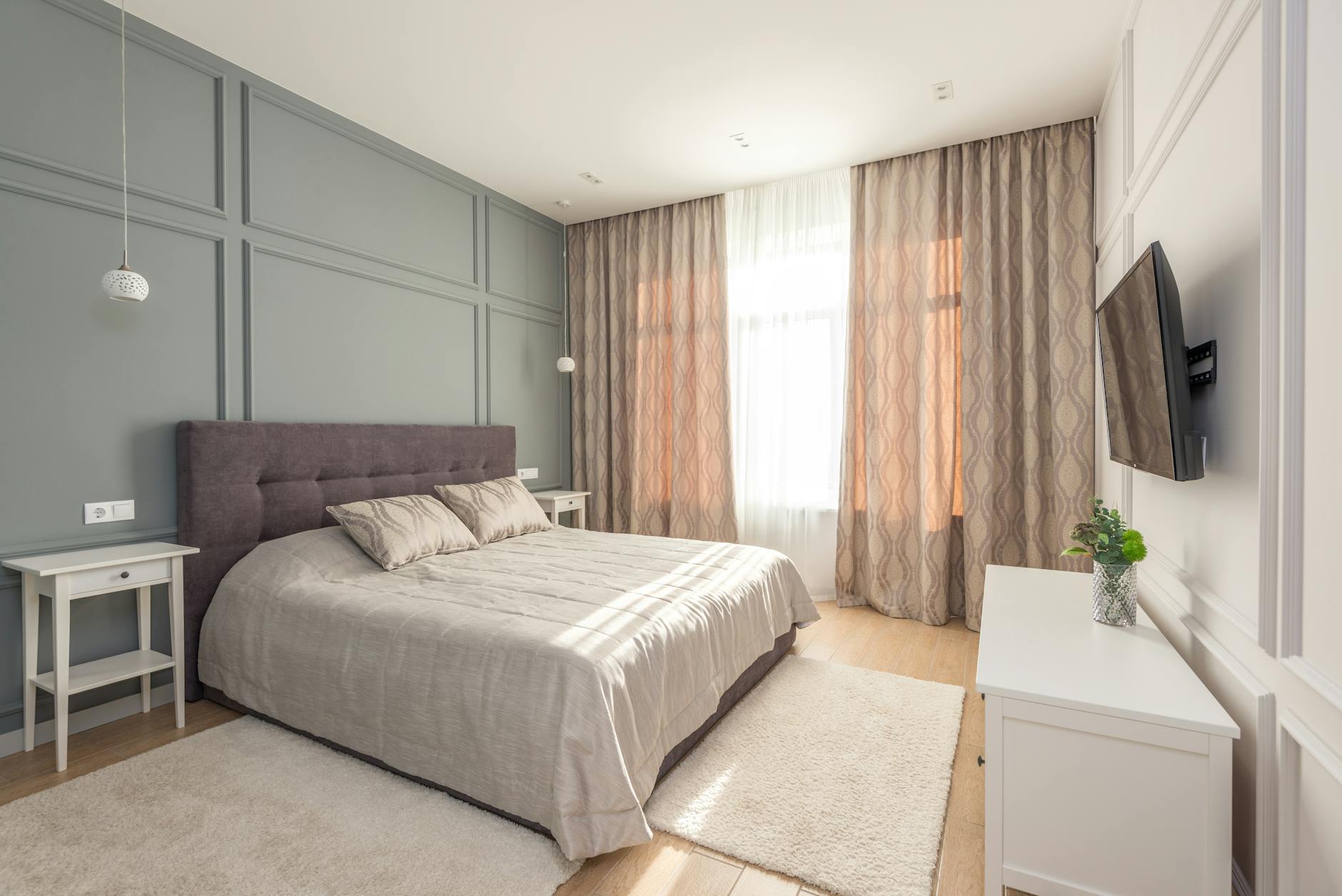
A conducive sleep environment promotes better rest. Keep the bedroom cool, dark, and quiet to enhance sleep quality. Limiting exposure to screens before bedtime can improve melatonin production,an essential hormone for regulating sleep,and help you fall asleep faster.
Common Misconceptions About Sleep Patterns
Myth: Everyone Needs the Same Amount of Sleep
A common misconception is that everyone requires eight hours of sleep each night. In reality, sleep needs vary among individuals based on age, lifestyle, and personal health conditions. Some people may function well on seven hours while others may need nine or more to feel rested.
Myth: Chronotypes Are Fixed and Unchangeable
Another myth is that once established, chronotypes cannot change. While genetics influence chronotype significantly, environmental factors and lifestyle changes can shift a person’s natural rhythm over time. For example, shifting work schedules or personal responsibilities can lead someone to adapt their sleeping patterns.
Real-Life Applications of Chronotype Knowledge
Enhancing Productivity and Well-Being
Understanding your chronotype allows for improved productivity by scheduling tasks during peak energy times. For instance, if you know you’re most productive in the afternoon as a night owl, plan critical work for that time frame. This approach minimizes wasted effort during low-energy periods.
Tailoring Health Routines to Your Rhythm
Your chronotype can also guide health routines such as exercise and meal planning. Morning people may prefer workouts early in the day while night owls might find evening sessions more suitable. Eating meals at times that complement your body’s natural rhythms can optimize digestion and energy levels throughout the day.
In summary, understanding your sleep chronotype offers valuable insights into improving daily life through enhanced productivity and better health management. By aligning schedules with natural rhythms and debunking myths about sleep needs, individuals can unlock their full potential for well-being.
Sources
- What's My Sleep Chronotype? Take the Quiz to Find Out
- www.claritychi.com
- www.palmhealth.com
- pmc.ncbi.nlm.nih.gov
- pmc.ncbi.nlm.nih.gov
- pmc.ncbi.nlm.nih.gov
Why do you keep falling for the same type?
Read the article Lovemaps: the hidden blueprint of our love.
Did you not find what you were looking for? Let me help you find more.
