
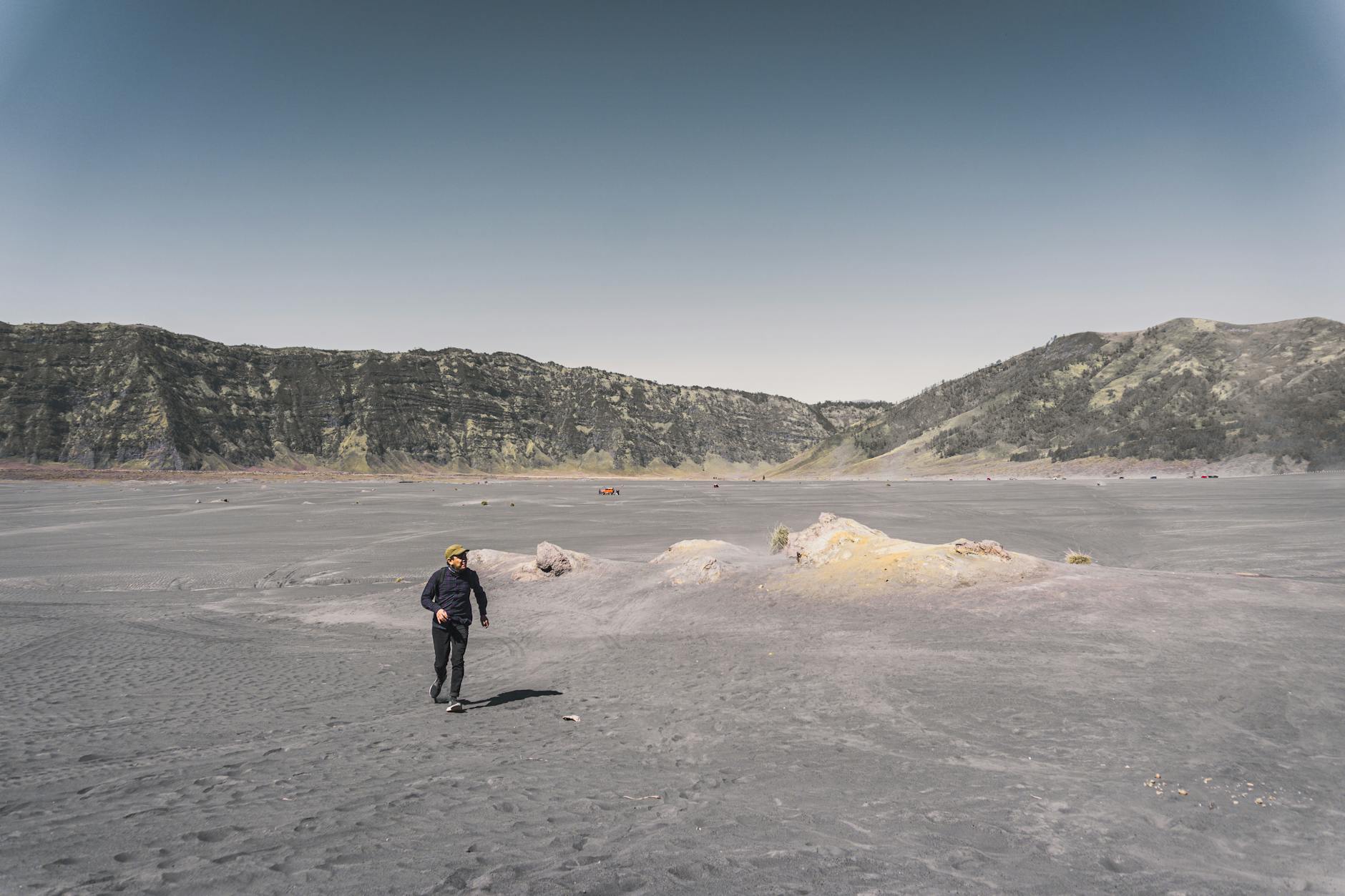
Why Ejecta Matters in Everyday Life
Ejecta are particles expelled during volcanic eruptions, and they can have significant effects on the environment and human activities. Understanding ejecta is crucial because they influence climate, agriculture, and soil health. Their presence can affect air quality and contribute to weather patterns that impact ecosystems and human livelihoods.
The Impact on Climate and Weather
Ejecta can significantly alter the climate. Explosive volcanic eruptions release large amounts of ash and gases into the atmosphere, which can block sunlight and lead to temporary cooling of the Earth’s surface. For example, the eruption of Mount Pinatubo in 1991 resulted in a global temperature drop of about 0.5 degrees Celsius for a couple of years due to the vast amounts of sulfur dioxide released into the atmosphere.
In addition to cooling effects, ejecta can lead to acid rain when sulfur compounds combine with moisture in the atmosphere. This phenomenon can harm aquatic life and vegetation, further complicating ecological balances.
Influence on Agriculture and Soil
Volcanic ejecta can enrich soil fertility. Ash contains minerals beneficial for plant growth. After eruptions, areas covered by volcanic ash often experience increased agricultural productivity due to the nutrients in the ash enhancing soil quality. For instance, regions around Mount St. Helens have seen revitalized ecosystems following its eruption in 1980.
However, excessive ejecta can pose challenges for farmers. Heavy ashfall can smother crops and disrupt planting seasons, leading to economic losses for farmers relying on steady yields.
What Exactly is Ejecta?
Types of Volcanic Ejecta
Ejecta primarily consist of three types: juvenile particles, cognate or accessory particles, and accidental particles. Juvenile particles originate from fragmented magma and free crystals formed during eruptions. Cognate or accessory particles are older volcanic rocks from within the same volcano. Accidental particles come from surrounding rocks that are blasted out during an eruption.
The Composition of Ejecta
The composition of ejecta varies widely based on volcanic activity. They can range from fine ash less than 0.25 cm in diameter to larger lapilli (between 0.25 cm to 6.35 cm) and even volcanic bombs greater than 6.4 cm. Each type plays a different role in environmental processes and has varying impacts on human activities.
How it Works: The Mechanics of Ejection
The Role of Pressure and Gas
The mechanics behind ejecta production involve intense pressure build-up within a volcano. During explosive eruptions, gas dissolved in viscous lava expands rapidly as it reaches the surface, creating bubbles that increase pressure until they burst violently, ejecting material high into the atmosphere.
A lava plug can trap gases inside a volcano until pressure becomes too high, leading to explosive eruptions that release large quantities of ejecta.
Different Eruption Styles and Their Products
Eruptions vary in style; some are effusive (producing lava flows), while others are explosive (ejecting large amounts of material). Explosive eruptions produce more ejecta due to rapid gas expansion and fragmentation of magma compared to effusive eruptions that mainly produce lava flows without much airborne material.
Tracing the Journey of Ejecta
From Volcano to Atmosphere
The journey of ejecta begins at the volcano but extends far beyond its immediate vicinity. Ash clouds can travel thousands of miles, affecting air travel and agriculture worldwide. For instance, the 2010 Eyjafjallajökull eruption in Iceland disrupted air traffic across Europe due to widespread ash clouds. Scientists use wind patterns and computer models to track these particles, enabling better predictions about where they might land.
Common Myths About Volcanic Ejecta
Several myths surround volcanic ejecta that need clarification:
- Myth 1: All volcanic eruptions produce only lava.
- Myth 2: Ejecta are harmless once they settle down.
- Myth 3: Ejecta only affect local areas.
In reality, eruptions often produce a mix of lava and various types of ejecta, which can have far-reaching effects even after settling.
The Role of Technology in Studying Ejecta
Advancements in technology have transformed our understanding of ejecta. Remote sensing tools such as satellites allow scientists to monitor ash plumes from space, providing real-time data on their movement and impact. Ground-based instruments measure particle size and composition, helping researchers assess potential hazards more accurately. Drones equipped with sensors can collect samples from hard-to-reach areas around active volcanoes.
The Future of Ejecta Research
The future of ejecta research holds exciting possibilities as scientists continue to refine their techniques. Enhanced modeling software could predict the behavior of ejecta with greater accuracy, improving evacuation protocols for at-risk communities. Additionally, interdisciplinary collaborations between geologists, meteorologists, and public health experts will deepen our understanding of how ejecta interact with other environmental factors. As climate change continues to alter weather patterns, studying how volcanic ejecta contribute to these changes will be increasingly vital for global preparedness efforts.
Sources
- Ejecta – Wikipedia
- www.landforms.eu
- web.archive.org
- chis.nrcan.gc.ca
- volcano.oregonstate.edu
- web.archive.org
- www.lpi.usra.edu
- onlinelibrary.wiley.com
- doi.org
- www.cambridge.org
- doi.org
Why do you keep falling for the same type?
Read the article Lovemaps: the hidden blueprint of our love.
Did you not find what you were looking for? Let me help you find more.
