
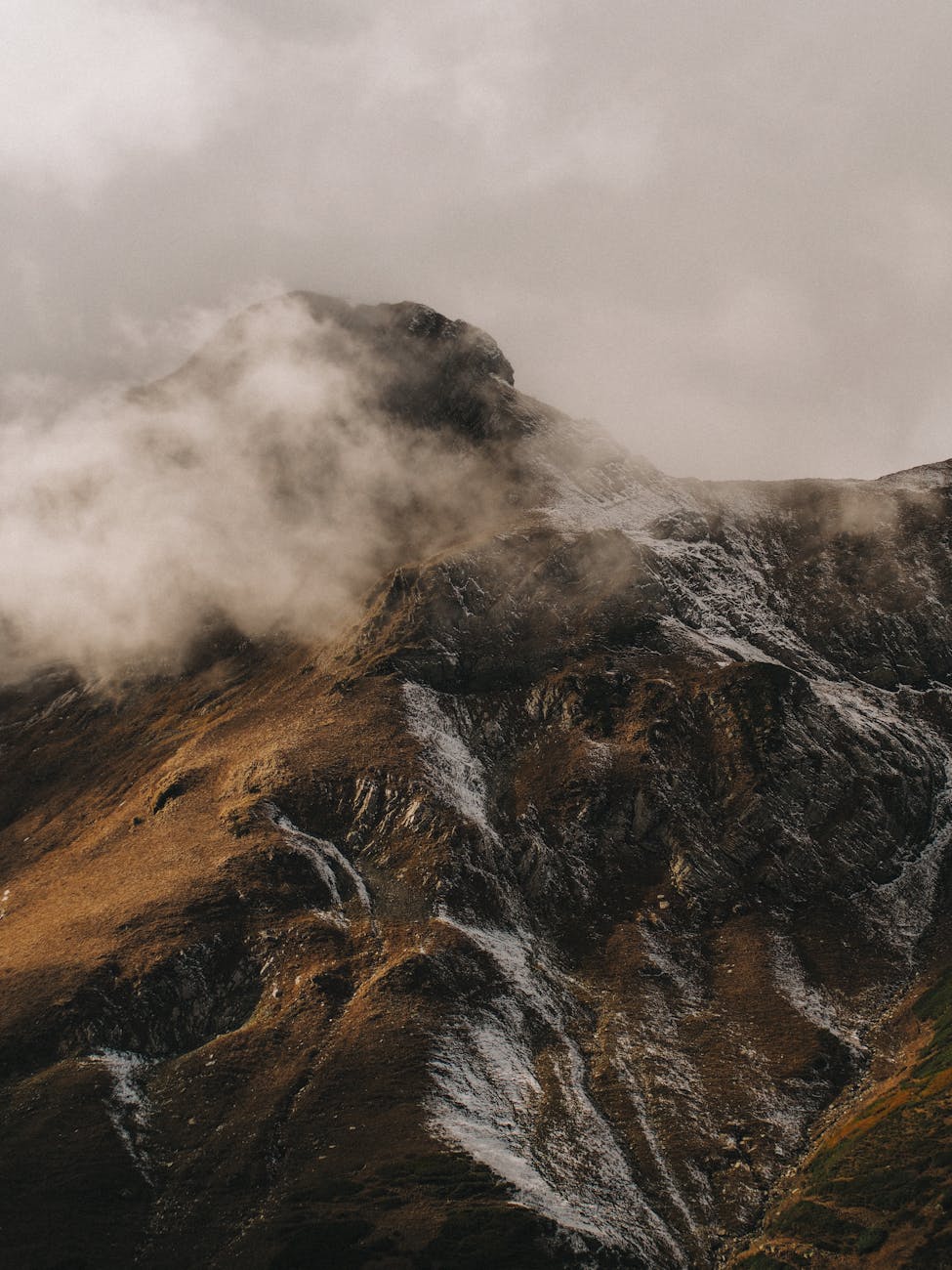
Unlocking Earth’s Secrets: Why Geology Matters
Geology is a vital science that helps us understand the processes that shape our planet. By studying geological formations, scientists can gain insights into natural disasters, resource management, and the history of life on Earth. For instance, knowledge of tectonic plate movements can help predict earthquakes, allowing communities to prepare and potentially save lives.
Moreover, geology plays a crucial role in addressing climate change. By understanding past climate patterns through geological records, scientists can better predict future changes and develop strategies for mitigation.
What Lies Beneath: The Layers of Our Planet
The Earth is composed of several distinct layers, each with unique properties:
- Crust: The outermost layer, which includes both continental and oceanic crust. The continental crust is thicker and less dense than oceanic crust.
- Mantle: Beneath the crust lies the mantle, a thick layer of semi-solid rock that flows slowly over time. It is responsible for tectonic activity.
- Outer Core: This layer is composed of liquid iron and nickel, generating Earth’s magnetic field through its movement.
- Inner Core: The innermost layer is solid and extremely hot, composed mainly of iron and nickel under immense pressure.
How It Works: The Science of Geological Processes
Geological processes are dynamic and occur over various timescales. For example:
- Erosion: This process involves the wearing away of rocks and soil by wind, water, or ice. A classic example is the Grand Canyon, formed by millions of years of erosion by the Colorado River.
- Volcanism: Volcanic eruptions can create new landforms, such as islands formed from lava flow. Hawaii is a prime example where volcanic activity has shaped its landscape.
- Tectonics: The movement of tectonic plates can cause earthquakes or mountain formation. The Himalayas were formed by the collision of the Indian and Eurasian plates.
Myths Debunked: Common Misunderstandings About Geology
Several myths surround geology that can lead to misunderstandings:
- Myth 1: All rocks are ancient. In reality, new rocks are continually forming through processes like volcanic activity.
- Myth 2: Geologists only study fossils. While paleontology is a part of geology, it encompasses much more, including mineralogy and geophysics.
- Myth 3: Earthquakes only happen in certain places. Although they are more common in tectonically active areas, they can occur anywhere due to human activities like mining or drilling.
Tools of the Trade: How Geologists Explore the Earth
Geologists use a variety of tools to study Earth’s composition and structure:
- Samples: Rock and soil samples provide critical data about geological history and processes.
- Seismographs: These instruments measure seismic waves to help locate earthquakes and understand their intensity.
- Aerial Surveys: Drones and satellites capture images that reveal geological features not easily seen from the ground.
The Future of Geology: Challenges and Innovations
The field of geology faces numerous challenges as it adapts to a rapidly changing world. One major challenge is climate change, which impacts geological processes such as erosion and sedimentation. To address these issues, geologists are employing advanced technologies like remote sensing and geographic information systems (GIS) to gather data more efficiently.
Innovations in sustainable resource extraction are also crucial as we seek to balance resource needs with environmental protection. Methods such as hydrofracturing have been developed to minimize ecological impacts while accessing fossil fuels.
Engaging with the Earth: How You Can Get Involved
You don’t need to be a professional geologist to engage with this fascinating field! Here are some ways you can get involved:
- Taking Courses: Online platforms offer courses in geology for all levels, providing foundational knowledge about Earth’s processes.
- Volunteering: Many organizations conduct geological surveys or conservation projects looking for volunteers who want to learn more about their local geology.
- Museum Visits: Visiting natural history museums can enhance your understanding of geology through exhibits on rock formations, fossils, and Earth’s history.
Sources
- Geology – Wikipedia
- en.wiktionary.org
- en.wiktionary.org
- en.wiktionary.org
- www.geolsoc.org.uk
- www.etymonline.com
- www.perseus.tufts.edu
- doc.rero.ch
- doi.org
- search.worldcat.org
- api.semanticscholar.org
Why do you keep falling for the same type?
Read the article Lovemaps: the hidden blueprint of our love.
Did you not find what you were looking for? Let me help you find more.
