
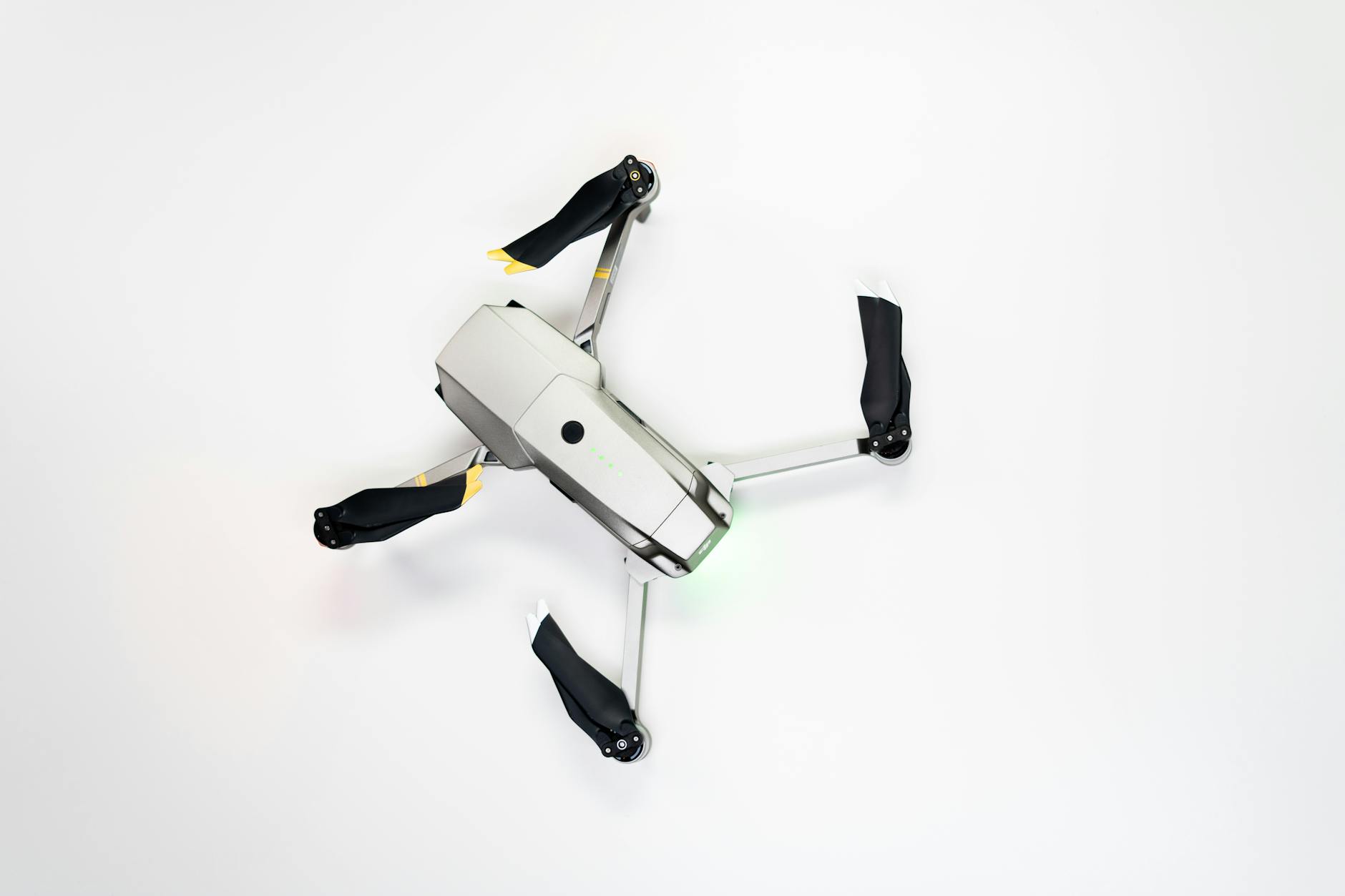
Soaring High: The Fascination of Flight
The dream of human flight has captivated minds for centuries. From ancient myths about winged gods to early experiments with kites, the desire to conquer the skies has been a persistent theme in human history. The invention of the airplane transformed this dream into reality, marking a turning point in transportation and communication.
People have long looked to nature for inspiration. Birds, with their effortless gliding and soaring, sparked curiosity about how humans might achieve similar feats. The Wright brothers’ successful flight in 1903 was not just a scientific achievement; it was a testament to human ingenuity and perseverance.
Understanding the Mechanics of Flight
At its core, flight relies on four fundamental forces: lift, weight, thrust, and drag. Lift is generated by the wings as air flows over and under them, creating a pressure difference. Weight acts against lift due to gravity, while thrust propels the aircraft forward, generated by engines. Drag opposes thrust and must be minimized for efficient flight.
- Lift: Created by wing shape and angle.
- Weight: Influenced by aircraft mass.
- Thrust: Produced by engines or propellers.
- Drag: Affected by air resistance and shape.
A Practical Guide: How It Works
The principles of aerodynamics are crucial for understanding how aircraft fly. Airfoil design plays a significant role in generating lift. The curvature of the wings causes air to move faster over the top than underneath, resulting in lower pressure above the wing.
Additionally, pilots use control surfaces such as ailerons, elevators, and rudders to maneuver the aircraft. By adjusting these surfaces, they can change the aircraft’s orientation and direction, ensuring safe and efficient travel through the skies.
Innovations that Changed the Game
Aviation has seen numerous innovations since its inception. The introduction of jet engines in the mid-20th century revolutionized air travel, allowing planes to fly faster and higher than ever before. For example, the Boeing 707 made transcontinental flights accessible to the masses.
Modern materials like carbon fiber and composites have also enhanced aircraft efficiency while reducing weight. These advancements contribute to better fuel economy and lower emissions, paving the way for more sustainable aviation practices.
Common Myths About Flying
Misinformation about flying persists despite advances in education and technology. One common myth is that flying is inherently dangerous. In reality, commercial aviation is one of the safest modes of transport available today, with rigorous safety protocols in place.
- Myth: Flying is more dangerous than driving.
- Fact: Statistically safer than car travel.
- Myth: Turbulence can cause crashes.
- Fact: Aircraft are designed to withstand turbulence.
The Future of Aviation: What Lies Ahead?
The future of aviation is poised for remarkable transformations. Electric and hybrid aircraft are being developed to reduce carbon footprints significantly. Companies are also exploring autonomous flying technologies that could revolutionize commercial flights by improving efficiency and safety.
Additive manufacturing techniques, like 3D printing, are beginning to play a role in producing lighter components more quickly and cost-effectively. These innovations could lead to unprecedented changes in how we design and build aircraft.
Flight in Culture and Society
Aviation has had a profound impact on culture and society since its inception. The ability to fly has shrunk distances, facilitating global trade and cultural exchange. It has also become a symbol of freedom and adventure in literature, film, and art.
The iconic image of an airplane soaring across the sky evokes feelings of exploration and possibility. As we continue to push the boundaries of what is possible in aviation technology, our fascination with flight remains as strong as ever.
A Brief History of Aviation
The history of aviation spans over two millennia, beginning with early innovations such as kites in China around 500 BC. Kites were among humanity’s first attempts at man-made flight. In the 15th century, Leonardo da Vinci designed several flying machines based on his observations of birds; however, these designs were not feasible with the technology available at that time.
The late 18th century saw significant advancements with the Montgolfier brothers’ invention of the hot-air balloon leading to manned flights. Concurrently, hydrogen balloons emerged following the discovery of hydrogen gas. The development of modern aerodynamics was influenced by physicists like Sir George Cayley during this period.
The 19th century brought further experimentation with gliders by pioneers such as Otto Lilienthal and Octave Chanute. By the early 20th century, advances in engine technology enabled controlled powered flight. In 1903, the Wright brothers achieved their first successful flight after extensive research into wing design and aircraft control.
The evolution continued with rigid steerable balloons pioneered by Ferdinand von Zeppelin dominating long-distance air travel until large flying boats became popular in the 1930s. Post-World War II advancements led to airplanes operating from land using improved propeller engines followed by jet engines that transformed both civilian air travel and military aviation.
The latter half of the 20th century saw significant developments in digital electronics enhancing flight instrumentation and “fly-by-wire” systems. Today, pilotless drones are widely used across military, commercial, and recreational sectors, showcasing ongoing innovation within aviation technology.
Sources
- History of aviation – Wikipedia
- fr.wikipedia.org
- fr.wikipedia.org
- www.britannica.com
- www.icas.org
- news.bbc.co.uk
- www.etymonline.com
- web.archive.org
- web.archive.org
- www.saudiaramcoworld.com
- cambodiaphilately.blogspot.com
Why do you keep falling for the same type?
Read the article Lovemaps: the hidden blueprint of our love.
Did you not find what you were looking for? Let me help you find more.
