
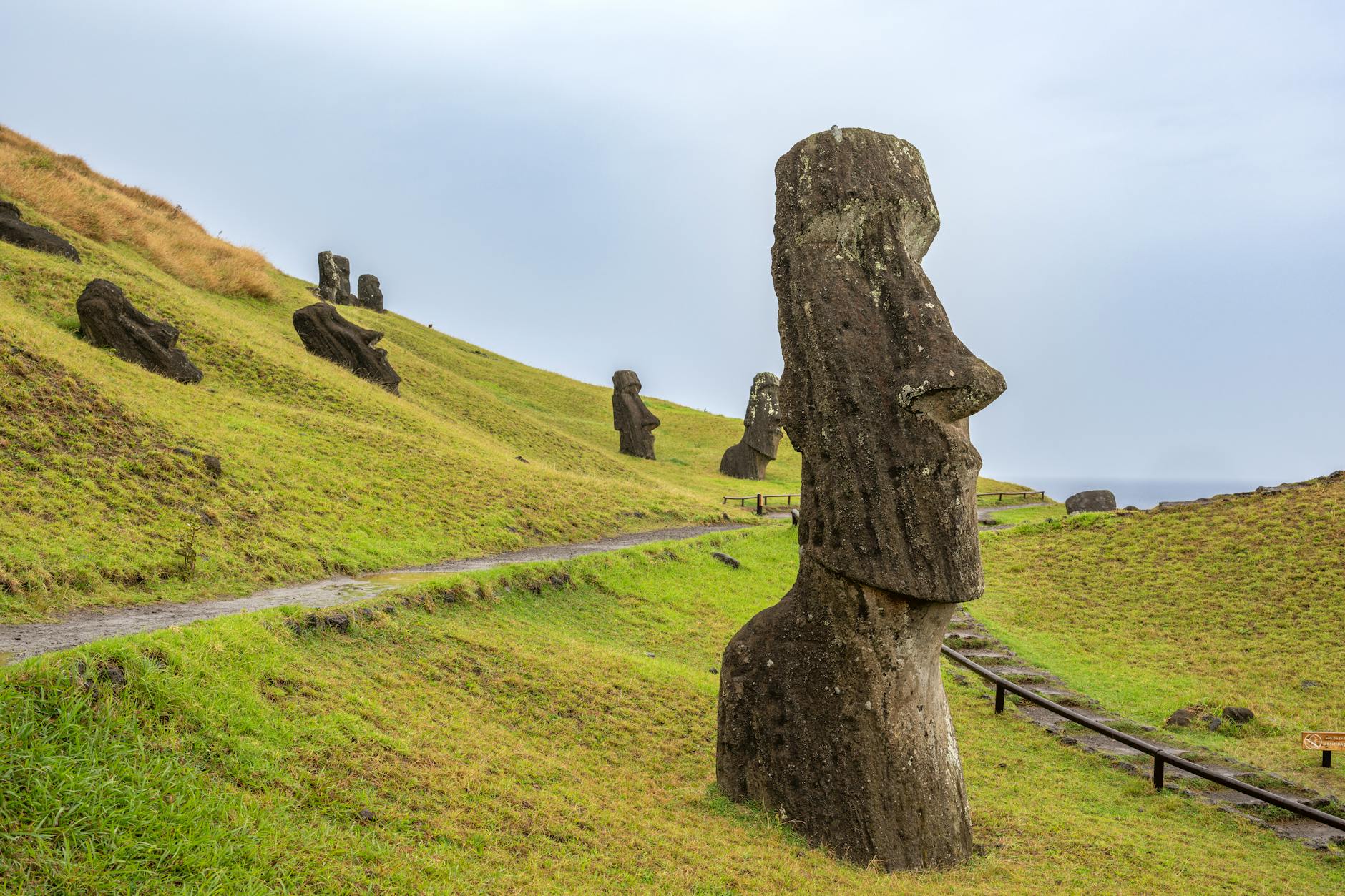
Discovering the Pacific: A Journey Through Time
The history of Oceania encompasses the histories of Australia, New Zealand, Easter Island, Fiji, Hawaii, Papua New Guinea, and other Pacific island nations. This region is characterized by its rich cultural heritage and the skilled navigators who shaped the lives and cultures of countless islands.
Why the Pacific Islands Matter Today
The Pacific Islands are not just beautiful landscapes; they hold unique cultural heritages and histories that influence global biodiversity and climate discussions. The diverse cultures of Oceania continue to thrive despite challenges from globalization and environmental change. Understanding their past can help us appreciate their resilience and contributions to our world today.
The Unique Cultural Tapestry
Oceania is home to a rich tapestry of cultures that include distinct languages, traditions, and customs. From the intricate tattoos of Māori in New Zealand to the vibrant festivals in Fiji, each community reflects a deep connection to the land and sea. These cultural expressions are vital for maintaining identity and fostering community ties across generations.
How It All Began: The Origins of Island Cultures
Migration Patterns and Settlement
The prehistory of Oceania is divided into distinct regions: Australia, Melanesia, Micronesia, and Polynesia. These areas vary significantly in when they were first inhabited by humans, from 70,000 years ago in Near Oceania to around 3,000 years ago in Remote Oceania. Indigenous Australians are believed to have migrated from Africa to Asia about 70,000 years ago before reaching Australia around 50,000 years ago.
The original inhabitants of Melanesia likely descended from Papuan-speaking peoples who settled between 50,000 and 30,000 years ago. Austronesian peoples arrived about 3,000 years ago and interacted with existing populations. This blend of cultures set the stage for complex societies in the region.
Early Societies and Their Innovations
Early societies in Oceania showcased remarkable innovations in agriculture, fishing techniques, and navigation. The Lapita culture emerged around 1,500 BCE in the Bismarck Archipelago and is known for its distinctive pottery. These early settlers laid the foundation for future Polynesian navigation techniques that enabled long-distance ocean travel.
Communities developed unique systems of governance based on kinship ties and local customs. For instance, Pohnpei in Micronesia had a centralized leadership system under the Saudeleur dynasty until it was overthrown in the 17th century.
Life on the Islands: Daily Practices and Beliefs
Traditional Livelihoods and Sustainability
The people of Oceania practiced various livelihoods deeply connected to their environment. Fishing was crucial for sustenance across many islands due to abundant marine life. Agriculture was also vital; crops like taro and yams supported communities while sustainable practices ensured long-term food security.
Cultural practices often revolved around communal activities such as fishing expeditions or agricultural harvests. These cooperative efforts fostered social bonds and shared responsibility for resources.
Spirituality and Connection to Nature
Spiritual beliefs in Oceania frequently emphasize a profound connection to nature. Many cultures view natural elements as sacred; mountains, rivers, and oceans are often integral to their mythology. For example, Māori culture holds a strong belief in ancestral connections to land (whenua), which shapes identity.
This spirituality influences daily life through rituals that honor ancestors and natural resources. Festivals celebrating seasonal changes or harvests reinforce community ties while sustaining traditional practices.
How It Works: Navigating the Oceanic World
The Art of Wayfinding
The art of wayfinding involves using environmental cues such as stars, ocean currents, and wind to navigate vast distances without modern instruments. Polynesian navigators mastered this skill over centuries, allowing them to explore remote islands across the Pacific Ocean.
This knowledge was often passed down orally through generations. Wayfinding remains a point of pride among Pacific Island communities today as they seek to preserve their heritage.
Canoe Technology and Ocean Travel
Canoe technology played a significant role in enabling these long voyages across the Pacific. Outrigger canoes were particularly effective for navigating open waters due to their stability. These vessels allowed communities not only to travel for trade but also to explore new territories.
The construction techniques used reflect an understanding of local materials such as wood and fibers from palms. Canoes were often elaborately decorated with carvings that held cultural significance.
Modern Influences: Globalization Meets Tradition
Economic Changes and Challenges
The economies of Pacific Island nations have undergone significant transformations due to globalization. Many now rely on tourism as a primary source of income while grappling with issues such as climate change impacts on their islands.
This shift raises concerns over sustainability as traditional livelihoods face pressure from modern economic demands. Striking a balance between preserving cultural heritage and embracing economic opportunities is a challenge many communities face today.
Cultural Resilience in a Changing World
Cultural resilience is evident as communities adapt while maintaining connections to their traditions. Efforts are underway across Oceania to revitalize languages and customs threatened by external influences. Programs promoting traditional arts or community-based tourism aim to empower local populations while educating visitors about their rich heritage.
Common Myths About Pacific Island Cultures
Simplifying Diversity: One Culture vs. Many
A common misconception is that all Pacific Island cultures are alike; in reality, there is immense diversity among them. Each island group has its unique languages, customs, and social structures shaped by local histories.
This diversity enriches the cultural landscape of Oceania but can lead to oversimplifications when viewed from outside perspectives.
The Misconception of Isolation
An enduring myth is that Pacific Islanders lived in isolation from each other until recent times; however, historical evidence shows significant interactions between various groups through trade networks long before European contact.
This interconnectedness contributed to shared innovations in navigation techniques or agricultural practices across different island nations.
Looking Ahead: The Future of Pacific Island Nations
Environmental Challenges and Adaptation
Pacific Island nations face critical environmental challenges such as rising sea levels and extreme weather events exacerbated by climate change. Many communities are actively seeking adaptive strategies that incorporate traditional knowledge with modern science to enhance resilience against these threats.
Sustainable development initiatives aim not only at preserving ecosystems but also ensuring that cultural practices remain viable amid changing conditions.
The Role of Youth in Cultural Preservation
Younger generations are essential for sustaining cultural practices as they navigate modern influences while fostering pride in their heritage. Education programs highlighting traditional skills alongside contemporary knowledge empower youth to take active roles in their communities’ futures.
This intergenerational transfer is vital for ensuring that rich cultural legacies endure even as societies evolve.
The history of Oceania reveals a complex interplay between tradition and modernity that continues shaping the lives of its people today. As challenges arise from environmental changes or globalization pressures, the resilience exhibited by these communities showcases their ability to adapt while honoring their rich pasts.
Sources
- History of Oceania – Wikipedia
- www.sl.nsw.gov.au
- web.archive.org
- australia.gov.au
- www.ncbi.nlm.nih.gov
- ui.adsabs.harvard.edu
- doi.org
- pubmed.ncbi.nlm.nih.gov
- www3.imperial.ac.uk
- www.illumina.com
- media.uow.edu.au
Why do you keep falling for the same type?
Read the article Lovemaps: the hidden blueprint of our love.
Did you not find what you were looking for? Let me help you find more.
