
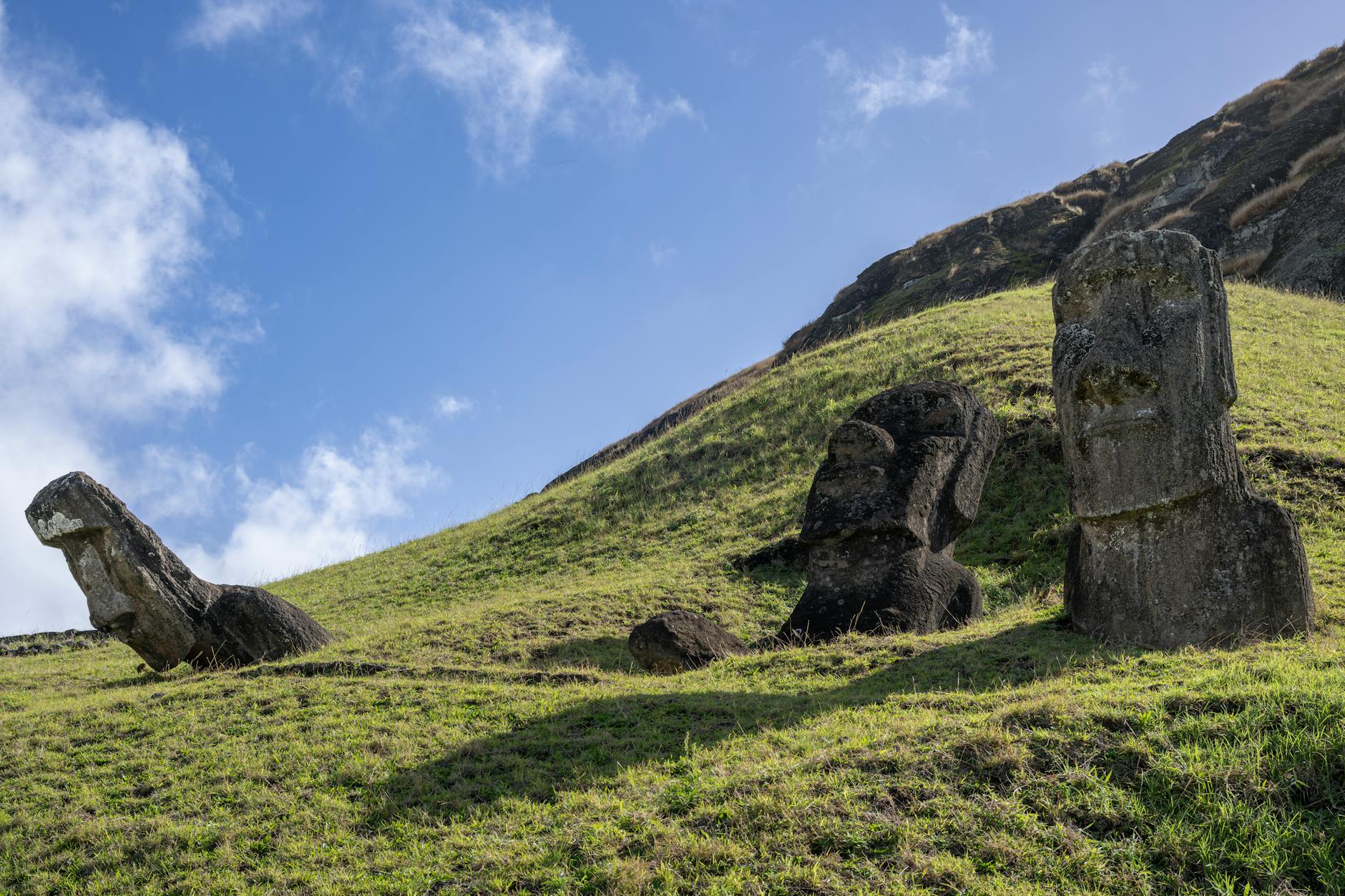
Unlocking the Secrets of South America
South America is a continent rich in history, known for its stunning landscapes and diverse cultures. The ancient civilizations that flourished here left behind impressive legacies that continue to shape modern society. From the towering Andes mountains to the expansive Amazon rainforest, the geography of South America has influenced its inhabitants for thousands of years.
From Myths to Marvels: The Diverse Cultures
The continent is home to numerous indigenous groups, each with its own unique customs, languages, and traditions. The Inca Empire, one of the most significant civilizations, dominated the western part of South America from the early 15th century until the Spanish conquest in the 16th century. Their intricate social structure and advanced agricultural techniques allowed them to thrive in harsh mountainous terrains.
- The Aymara and Quechua peoples still preserve their languages and traditions today.
- The Guarani in Brazil and Paraguay maintain their vibrant culture through music and storytelling.
How It Works: The Legacy of Ancient Engineering
Ancient South American civilizations were remarkable engineers. The Incas constructed an extensive road network spanning over 25,000 miles, facilitating trade and communication across their vast empire. They also built sophisticated agricultural terraces that maximized arable land in mountainous regions.
- The Nazca Lines, massive geoglyphs etched into the desert floor, remain a mystery but showcase advanced knowledge of geometry.
- In the Amazon, indigenous groups developed sustainable farming techniques that harmonized with their environment.
Common Myths About South American History
Many misconceptions exist about South America’s past. One common myth is that the continent was largely uninhabited before European contact. In reality, millions lived in thriving societies with complex political structures. Another misconception is that all indigenous cultures vanished post-colonization; however, many continue to exist and adapt to modern influences.
The Role of Geography in Shaping Cultures
The diverse geography of South America has played a crucial role in shaping its various cultures. The Andes mountains created natural barriers that led to isolated development among different groups. Meanwhile, the Amazon rainforest provided resources that supported complex societies. Coastal areas saw advancements in fishing and trade due to abundant marine life.
A Journey Through Time: Key Events that Defined Eras
The arrival of Europeans marked a significant turning point in South American history. Christopher Columbus’s voyages initiated centuries of colonization, leading to dramatic changes in demographics and culture. Key events include:
- 1533: The fall of the Inca Empire to Spanish conquistadors.
- 1810-1825: The Wars of Independence resulted in many countries gaining autonomy from colonial rule.
The Modern Landscape: Echoes of the Past in Today’s Society
Today, South America reflects its rich history through its diverse cultures and traditions. Cities like Cusco still showcase Incan architecture alongside colonial buildings, illustrating a blend of old and new. Indigenous communities are increasingly recognized for their contributions to national identities and are advocating for rights and preservation of their cultures.
- Cultural festivals often celebrate indigenous heritage, such as Inti Raymi in Peru.
- Modern art movements are inspired by pre-Columbian themes, demonstrating a continuity of cultural expression.
As we explore South America’s past, it becomes clear that understanding this history enriches our appreciation for contemporary societies on the continent.
Unlocking the Secrets of South America
South America is a continent rich in history, with layers of civilization that date back thousands of years. The early inhabitants were skilled in agriculture and trade, laying the groundwork for complex societies. Archaeological findings, such as the ruins of Machu Picchu and the Nazca Lines, provide glimpses into the lives of these ancient peoples. Researchers continue to uncover artifacts that reveal intricate details about their social structures, religious beliefs, and daily activities.
From Myths to Marvels: The Diverse Cultures
The diverse cultures of South America are a tapestry woven from indigenous traditions, colonial influences, and modern innovations. The Inca Empire, for example, was renowned for its architectural marvels and extensive road systems. Similarly, the Amazonian tribes maintain their rich oral traditions and unique knowledge of biodiversity. Each culture contributes to the continent’s identity.
- The Quechua people still speak their ancient language and practice traditional farming methods.
- The Guarani communities emphasize harmony with nature and have a profound understanding of medicinal plants.
How It Works: The Legacy of Ancient Engineering
Ancient civilizations in South America showcased remarkable engineering prowess. The Incas constructed intricate terracing systems that allowed them to farm in the challenging Andean terrain. Their impressive stonework remains a testament to their skills, with structures like Sacsayhuamán demonstrating precise stone-cutting techniques that have stood the test of time. These engineering marvels not only served practical purposes but also reflected their advanced understanding of astronomy and geography.
Common Myths About South American History
Many misconceptions surround South American history. One common myth is that all indigenous cultures were primitive; however, evidence shows they had sophisticated agricultural practices and social organization. Another myth is that European colonization completely erased indigenous cultures; in reality, many traditions persist today, blending with European influences.
The Role of Geography in Shaping Cultures
Geography played a crucial role in shaping the diverse cultures across South America. The Andes Mountains created natural barriers that led to isolated communities developing unique traditions. Conversely, the Amazon River served as a vital trade route connecting various groups. Coastal regions fostered fishing economies and trade networks with other continents.
A Journey Through Time: Key Events that Defined Eras
Several key events marked significant turning points in South American history:
- The arrival of Spanish conquistadors in the 16th century initiated dramatic changes, leading to the fall of powerful empires like the Inca.
- The independence movements in the early 19th century reshaped national identities across the continent.
- The rise of dictatorships during the 20th century led to periods of turmoil but also spurred movements toward democracy.
The Modern Landscape: Echoes of the Past in Today’s Society
Today’s society in South America reflects its rich historical tapestry. Urban centers like Buenos Aires and São Paulo blend modernity with colonial architecture. Indigenous communities continue to advocate for their rights and cultural preservation amid globalization pressures. Festivals celebrating ancient traditions coexist with contemporary art forms, illustrating a dynamic interplay between past and present.
In summary, South America’s history is a story of resilience and adaptation. Understanding this legacy enriches our appreciation for contemporary cultures and highlights the ongoing influence of ancient civilizations on modern life.
Sources
- History of South America – Wikipedia
- www.google.com
- www.google.com
- www.google.com
- www.google.com
- scholar.google.com
- www.jstor.org
- archive.org
- ui.adsabs.harvard.edu
- doi.org
- pubmed.ncbi.nlm.nih.gov
Articles
- Latino Studies: Exploring Hispanic and Latino American Cultures and History
- The Controversial History of Lobotomy in Mental Health Treatment
- History of Communication Studies from Ancient Times to the 20th Century
- History of Theatre: Development and Evolution Over 2,500 Years
- History of Cameroon: From Pre-Colonial Times to Present Day
- The Late Heavy Bombardment: A Key Event in Early Solar System History
Days
- February 3: Cabanatuan City Day (Banatu Festival) (Philippines)
- February 3: African American Coaches Day
- February 3: American Painters Day
- February 3: Mozambican Heroes Day
- February 2: Day of Reconciliation and Peace (Nicaragua)
- February 2: Battle of Mysunde Day (Denmark)
Why do you keep falling for the same type?
Read the article Lovemaps: the hidden blueprint of our love.
Did you not find what you were looking for? Let me help you find more.
