
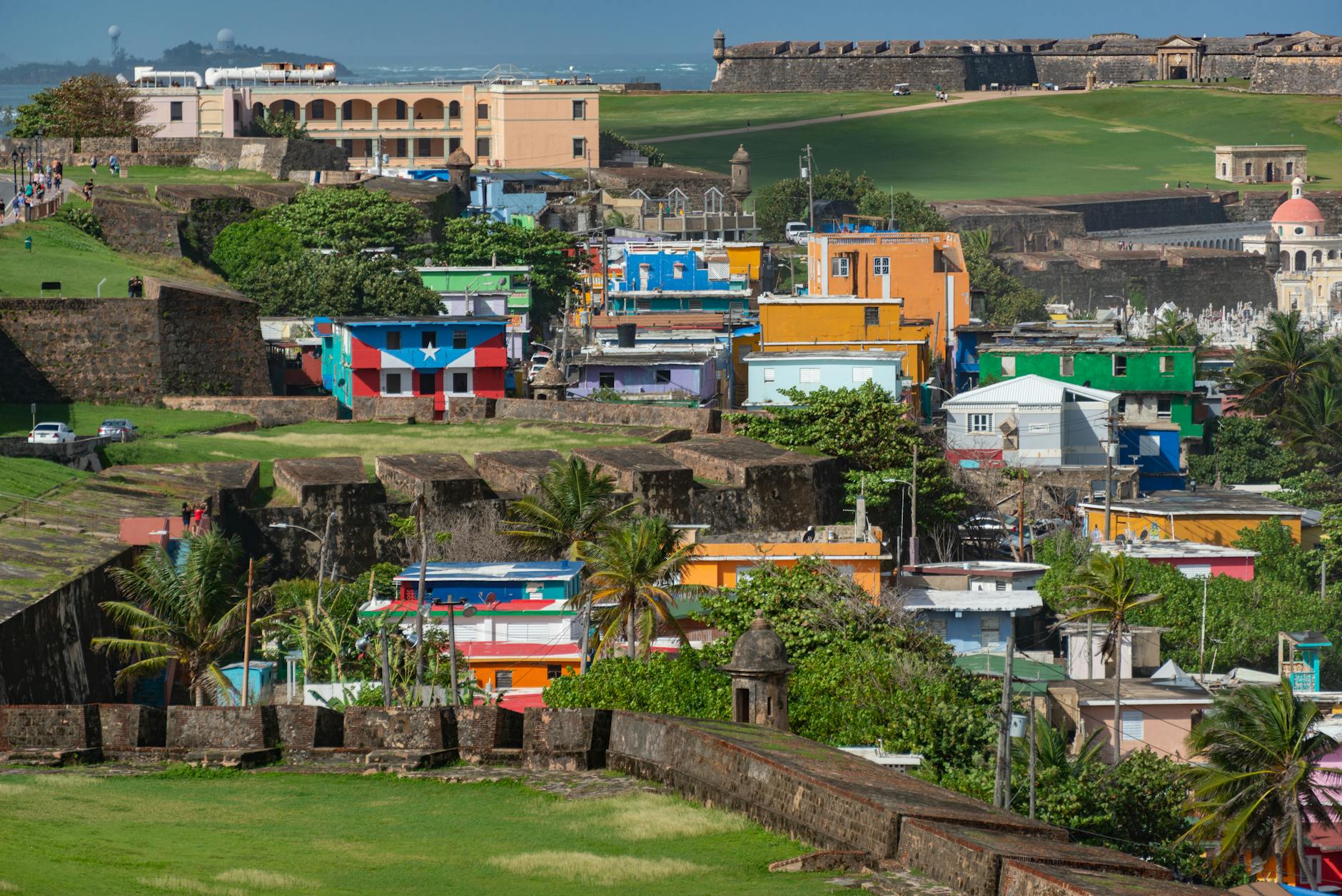
Discovering Åland: A Unique Archipelago
The Åland Islands are a stunning archipelago nestled in the Baltic Sea, known for their picturesque landscapes and rich cultural history. As an autonomous and demilitarized region of Finland, Åland has a unique status that allows it to govern itself while benefiting from Finnish sovereignty. With a history spanning over six millennia, the islands are significant for both their natural beauty and cultural heritage.
Why Visit Åland?
Åland offers a blend of breathtaking landscapes, historical sites, and vibrant cultural experiences. With over 6,500 islands, visitors can enjoy activities such as hiking, cycling, and sailing. The islands host numerous events throughout the year that celebrate local traditions and arts.
What Makes It Special?
The autonomy of Åland enables it to maintain its own laws and regulations, particularly in areas like education and taxation. This unique status attracts those interested in governance and cultural preservation. The islands’ Swedish-speaking population contributes to their distinct identity within Finland.
The Journey Through Time
Early Inhabitants and Their Legacy
The history of human habitation in Åland dates back to the Neolithic period. Archaeological finds include pottery, animal remains, and tools that indicate early inhabitants engaged in farming and fishing. The Bronze Age saw the establishment of permanent settlements that contributed to the development of local culture.
Cultural Influences Over the Centuries
Åland’s location made it a crossroads for various cultures over the centuries. By the 13th century, the islands fell under Swedish control, which introduced new administrative structures and religious practices. The construction of churches began during this time, marking a shift towards more organized communities.
How It Works: The Modern Governance of Åland
Autonomy Explained
The autonomy of Åland was formally recognized in 1921 by the League of Nations. This arrangement allows Åland to have its own parliament and government, giving it control over local affairs while still being part of Finland.
The Role of Local Government
The local government is responsible for various aspects of life in Åland, including education, health care, and cultural affairs. This self-governance has enabled the islands to preserve their unique identity while participating in broader Finnish society.
Common Misconceptions About Åland
Is Åland Just a Tourist Destination?
While tourism is significant for Åland’s economy, it is much more than just a vacation spot. The islands are home to a rich cultural heritage that residents actively maintain through festivals, museums, and traditional crafts.
Understanding the Language and Culture
The primary language spoken in Åland is Swedish, reflecting its historical ties to Sweden rather than Finland. This linguistic distinction contributes to a unique cultural identity that emphasizes local traditions and community involvement.
The Strategic Importance of Åland Islands
Geopolitical Significance
Åland’s strategic location between Sweden and Finland has historically made it important for trade and military purposes. Its demilitarized status today ensures peace in this significant maritime area while allowing for economic development through tourism and shipping.
Navigational Hub in the Baltic Sea
The islands serve as a vital navigational hub for ships traveling through the Baltic Sea. This role enhances Åland’s importance within regional trade routes, contributing to its economy beyond tourism.
Modern Life in Åland
Sustainable Practices and Economy
A focus on sustainability defines modern life in Åland. The government encourages eco-friendly practices across various sectors such as agriculture and fisheries. Renewable energy initiatives are also gaining traction as part of efforts to protect the environment while fostering economic growth.
Cultural Events and Community Life
Cultural events are central to life in Åland, ranging from traditional festivals celebrating local music to art exhibitions showcasing contemporary artists. These gatherings strengthen community bonds and promote participation in cultural activities among residents.
The Future of Åland Islands
Challenges Ahead
Despite its successes, Åland faces challenges such as demographic changes and economic diversification. An aging population may impact labor markets and social services that require attention from local policymakers.
Opportunities for Growth and Development
A focus on innovation can help Åland thrive economically while preserving its cultural heritage. Investments in technology, sustainable tourism development, and infrastructure improvements can enhance residents’ quality of life and attract new businesses.
The story of the Åland Islands is one of resilience, independence, and cultural pride. As they navigate modern challenges while honoring their rich history, they continue to be a unique gem in the Baltic Sea,a place where past meets present harmoniously.
Sources
- History of Åland – Wikipedia
- commons.wikimedia.org
- en.wikisource.org
- www.wdl.org
- visitaland.com
- www.museum.ax
- www.museum.ax
- www.wdl.org
- www.wdl.org
- www.aftonbladet.se
- earthobservatory.nasa.gov
Articles
- Latino Studies: Exploring Hispanic and Latino American Cultures and History
- The Controversial History of Lobotomy in Mental Health Treatment
- History of Communication Studies from Ancient Times to the 20th Century
- History of Theatre: Development and Evolution Over 2,500 Years
- History of Cameroon: From Pre-Colonial Times to Present Day
- The Late Heavy Bombardment: A Key Event in Early Solar System History
Days
- Saturday of March: Firefighter History Day (Netherlands)
- First Monday of March: Guam History and Chamorro Heritage Day (Guam)
- March 20: Oil Nationalization Day (Iran)
- March 20: French Language Day
- March 20: Macaron Day (United States)
- March 19: Operation Iraqi Freedom Day
Why do you keep falling for the same type?
Read the article Lovemaps: the hidden blueprint of our love.
Did you not find what you were looking for? Let me help you find more.
