
Unleashing the Connection: Pets and Personal Identity
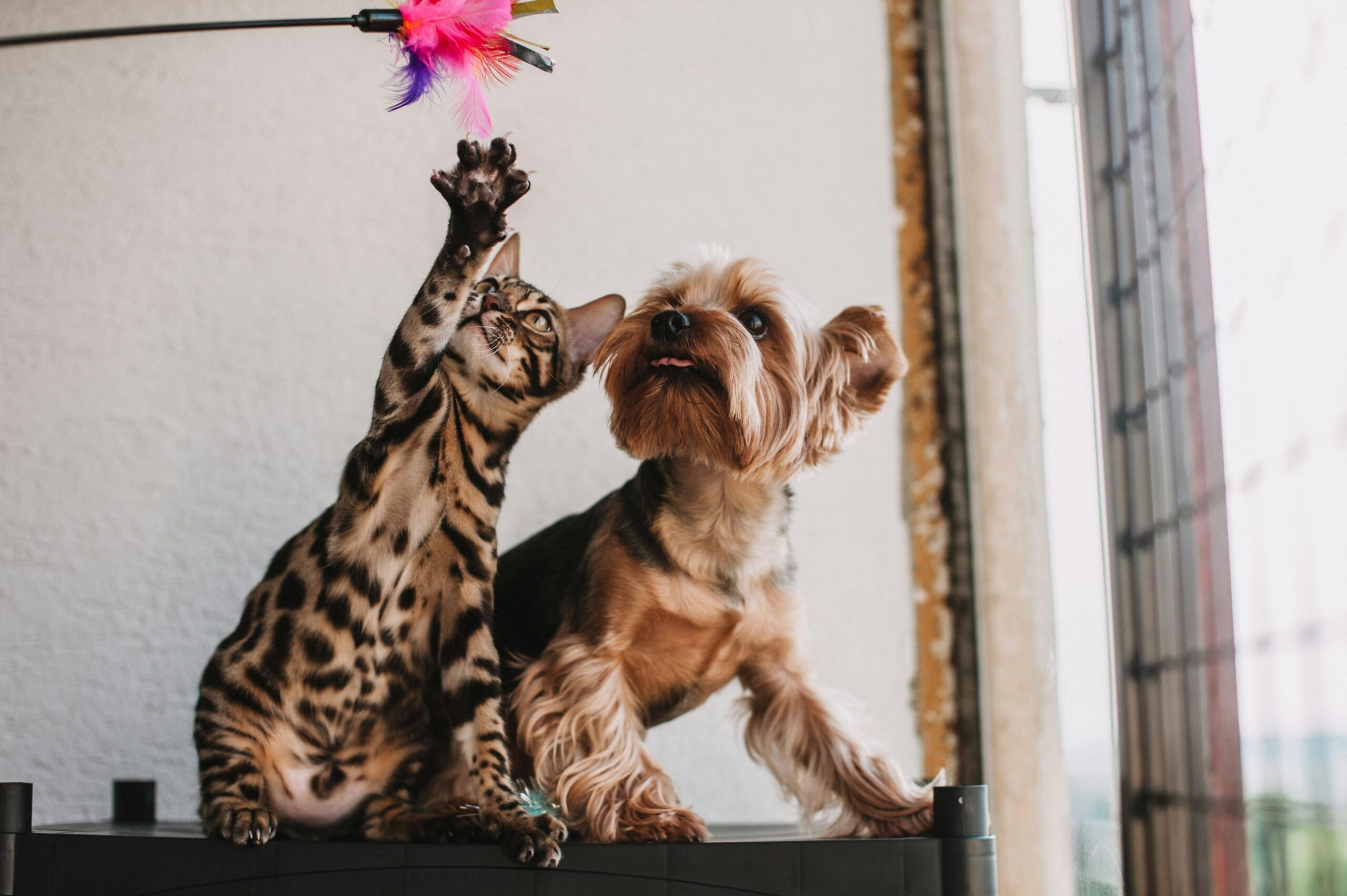
Imagine a cozy evening where a person curls up with a book while a cat purrs softly nearby. In contrast, another person might be out in the park, playing fetch with their dog, surrounded by friends. These scenarios highlight the different ways people bond with their pets. Our preferences for cats or dogs can reveal significant insights into our personalities.
Pet preference refers to the tendency to favor one type of animal companion over another, often reflecting personal traits and social behaviors. Understanding why people prefer cats or dogs can help us learn more about ourselves and how we interact with others.
The Power of Pets
Pets are more than just animals; they often become integral parts of our lives. They offer companionship, emotional support, and even a sense of identity. Research indicates that our choices in pets can indicate broader personality traits and influence how we relate to others. Dog owners might enjoy an active lifestyle filled with social interactions, while cat owners may appreciate quieter, more introspective moments.
Why We Choose Cats or Dogs
People choose cats or dogs based on various psychological, social, and cultural factors. Dog lovers often see themselves as outgoing and adventurous, thriving on routine and structure. Conversely, cat enthusiasts may embrace their introspective nature, finding comfort in the independence that cats provide. Understanding these preferences reveals how we connect with animals and what we value in relationships.
How It Works: The Science Behind Pet Preferences
Brain Chemistry and Attachment
Our emotional connections with pets can reflect our attachment styles, which are patterns of behavior in relationships. Dog lovers tend to form close bonds that resemble secure relationships, providing emotional comfort and stability. In contrast, cat enthusiasts appreciate less demanding companionship, often valuing meaningful connections without constant attention.
Socialization and Upbringing Factors
The environment in which we grow up plays a significant role in shaping our pet preferences. Those raised in households with dogs may develop attachments that align with traits like extroversion and sociability. On the other hand, individuals who grew up with cats might value independence and creativity, reflecting their more introverted tendencies.
Exploring the Spectrum: More Than Just Cats and Dogs
Other Companion Animals
While cats and dogs dominate pet ownership statistics, other animals like rabbits, birds, and fish also play vital roles in people's lives. Each type of pet can offer unique emotional benefits and reflect different personality traits. People who prefer exotic pets may seek novelty or adventure in their lives.
Cultural Influences on Pet Choices
Cultural background significantly impacts pet preferences. In some cultures, dogs are seen as loyal protectors while cats symbolize mystery and independence. These cultural perceptions can guide people’s choices when selecting a companion animal.
Common Myths About Pet Preferences
Myth: Pet Preference is Solely Genetic
While genetics can influence certain personality traits, pet preference is not determined by biology alone. Environmental factors, social influences, and individual experiences also play crucial roles in shaping our relationships with animals.
Myth: Only Certain Personalities Like One Type of Pet
Another common myth is that specific personalities are exclusively drawn to either cats or dogs. In reality, many people enjoy both types of pets or exhibit qualities typical of both categories. This complexity highlights the rich spectrum of human-animal relationships.
Real-Life Implications: How Pets Shape Our Lives
Emotional Support and Well-being
Pets provide significant emotional support to their owners. Studies show that interacting with pets can reduce stress levels and improve overall mental health. Dog owners often engage in outdoor activities that promote physical health, while cat owners may find solace in quieter companionship.
Social Interactions and Community Building
Pets can enhance social interactions among people. Dog owners frequently participate in community events or gatherings centered around their pets. In contrast, cat owners might find connections through online communities or smaller gatherings that appeal to their more introverted nature.
The Future of Human-Animal Bonds
Evolving Roles of Pets in Society
As society evolves, so do the roles of pets within it. Many people now view their pets as family members rather than just companions. This shift influences how society perceives pet ownership responsibilities and rights.
Innovations in Pet Care and Technology
Advancements in technology continue to transform pet care practices. Smart devices help track pet health and behavior while fostering greater connections between humans and their animals. These innovations enhance the quality of life for both pets and their owners.
In conclusion, whether you identify as a dog person or a cat person,or perhaps both,your pet preference reflects deeper aspects of who you are. Understanding these dynamics enriches our relationships with our furry friends and helps us gain insight into ourselves and how we navigate the world around us.
Sources
- What Being a Cat Person or Dog Person Says About Your Personality
- patriciasdixon.com
- www.treatmentindiana.com
- sites.psu.edu
- doi.org
Articles
- Aromatherapy and Essential Oils for Stress Relief and Relaxation
- Understanding Reactive Attachment Disorder in Children
- Auditory processing disorder
- Thriving at Work as an Introvert: Embrace Your Strengths
- Rat Ace
- Lovemaps: the hidden blueprint of our love
Why do you keep falling for the same type?
Read the article Lovemaps: the hidden blueprint of our love.
Did you not find what you were looking for? Let me help you find more.
