
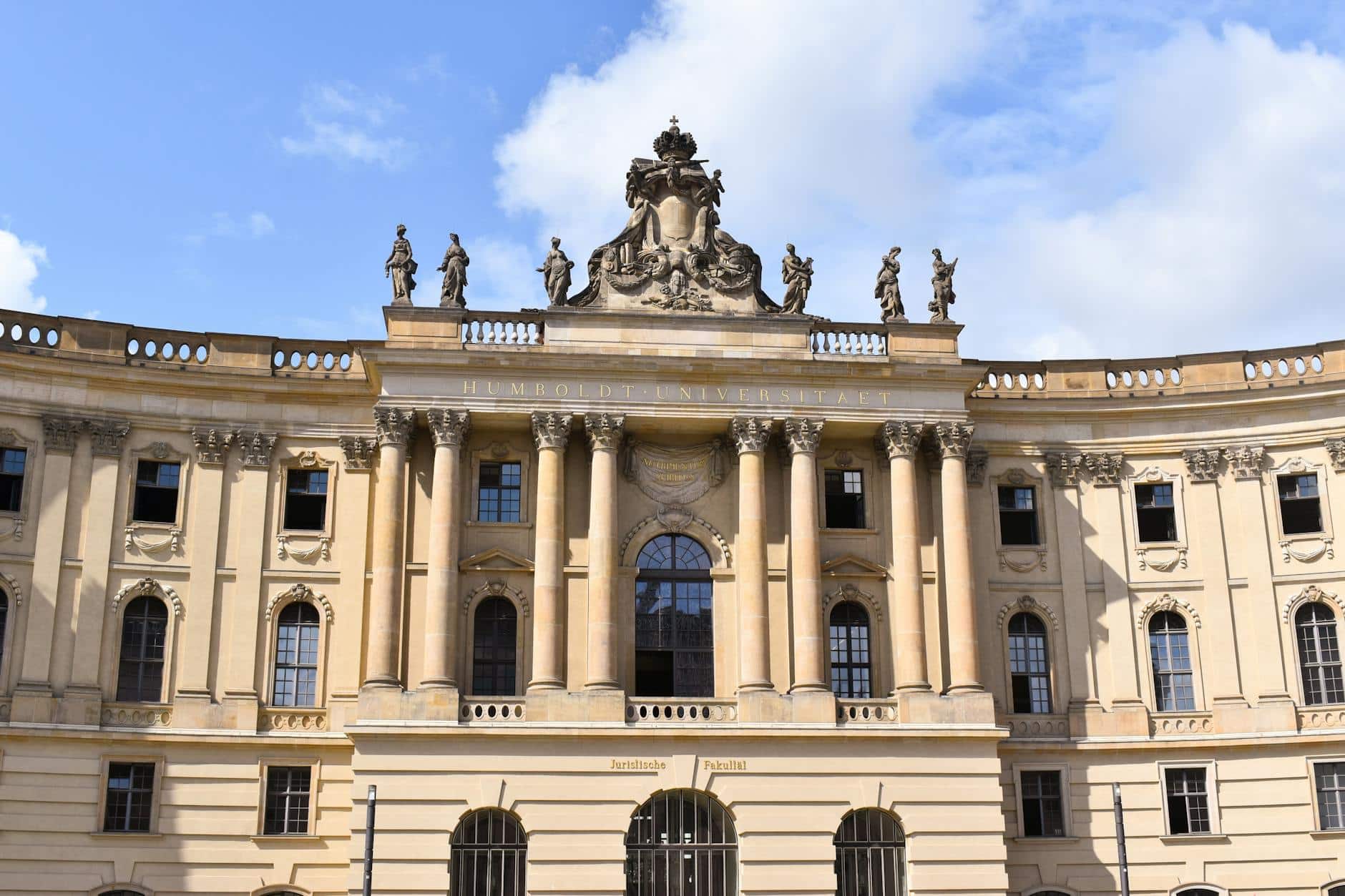
Unpacking History: Why Ranke Matters Today
Leopold von Ranke, a 19th-century German historian, revolutionized historical research with his emphasis on primary sources and rigorous methodology. His work has had a lasting impact on historians and students alike, highlighting the importance of accuracy and context in understanding history.
Ranke (1795:1886) is recognized as a founder of modern source-based history. He introduced methods that relied heavily on archival research and the analysis of historical documents, establishing standards for future historians.
The Relevance of Historical Accuracy
Ranke’s insistence on using primary sources set a new standard for historical research. By focusing on firsthand accounts and documents, he sought to present history “as it actually was” (wie es eigentlich gewesen). This approach underscores the significance of accuracy in historical narratives, which remains crucial today. In an era marked by misinformation, Ranke’s methods remind us that careful sourcing can lead to a more truthful representation of past events.
Lessons from Ranke for Modern Research
Ranke’s methods encourage modern historians to critically evaluate sources. His emphasis on primary documents helps researchers navigate the complexities of historical evidence. This lesson is vital today, as historians face an overwhelming amount of information from diverse media. Ranke’s legacy teaches us to prioritize quality over quantity in our research, ensuring that conclusions are based on reliable evidence.
Understanding Ranke’s Approach
Primary Sources: The Heart of His Method
At the center of Ranke’s methodology is his commitment to primary sources. He believed these documents, such as letters, diaries, and official records, provided the most direct insight into historical events. By utilizing these materials, Ranke aimed to construct narratives grounded in factual evidence rather than speculation or hearsay.
Contextualization: Placing Events in Time and Space
Ranke also stressed the importance of contextualizing events within their specific time and place. He argued that understanding the circumstances surrounding an event is essential for accurate interpretation. This focus allows historians to grasp not just what happened but why it happened, fostering a deeper understanding of historical developments.
How It Works: Ranke’s Historical Framework
The Role of Evidence in Historical Narratives
In Ranke’s view, evidence plays a pivotal role in shaping historical narratives. He believed that historians should base their accounts on thorough investigations of available documents. This principle fosters a disciplined approach to historiography where facts guide interpretation rather than preconceived notions or theories.
Interpreting Sources: A Step-by-Step Guide
To effectively analyze sources, Ranke advocated for a systematic approach. Historians should start by identifying relevant documents and assessing their authenticity. Next, they must evaluate the context in which these sources were created. Finally, interpreting these materials involves connecting them to broader historical themes and patterns.
Common Misconceptions About Ranke’s Work
Myth 1: Ranke Only Focused on Political History
A common misconception is that Ranke solely concentrated on political history. While he emphasized international politics, particularly foreign policy, his work also explored social, cultural, and religious dimensions. His comprehensive approach highlights the interconnectedness of various historical factors beyond just political events.
Myth 2: Objectivity Means Being Unbiased
Another misunderstanding is equating Ranke’s quest for objectivity with complete impartiality. While he sought to present facts without distortion, he acknowledged that every historian brings their perspective to their work. Thus, objectivity in history requires recognizing biases while striving for accuracy through careful source selection.
The Impact of Ranke on Historical Scholarship
Shaping Future Historians’ Perspectives
Ranke’s influence extends far beyond his own time; he has shaped the perspectives of countless historians who followed him. His methods established a framework for professional historiography that prioritizes rigorous research and critical analysis. Many historians today still draw from his principles when crafting their narratives.
The Birth of Professional History as a Discipline
Through his innovative teaching methods and scholarly contributions, Ranke played a significant role in establishing history as a professional discipline. His creation of the historical seminar at the University of Berlin marked a turning point in academic history education, emphasizing research skills and critical thinking among students.
Ranke’s Legacy in Contemporary Contexts
Influence on Current Historical Debates
Ranke’s ideas continue to resonate in contemporary historical debates around methodology and interpretation. Modern historians often refer back to his principles when discussing issues such as bias in historiography or the importance of primary sources in constructing narratives about the past.
Ranke’s Methods in Digital Humanities
The rise of digital humanities has allowed scholars to apply Ranke’s methodologies in new ways. Digital archives provide access to vast amounts of primary source material that can be analyzed using data-driven techniques while maintaining Ranke’s commitment to rigorous evidence-based study.
Conclusion: The Enduring Influence of Leopold von Ranke
A Call to Embrace Rigorous Historical Inquiry
The legacy of Leopold von Ranke serves as a clarion call for historians today: embrace rigorous inquiry grounded in primary sources. His methods remind us that meticulous research leads to more credible histories while ensuring we honor the past with accuracy and integrity.
Looking Forward: What Can We Learn from the Past?
As we navigate an increasingly complex world filled with information overload, reflecting on Ranke’s contributions can help us appreciate the value of careful historical study. By learning from his emphasis on authenticity and context, we can better understand our pasts and enrich our present and future.
Sources
- Leopold von Ranke – Wikipedia
- de.wikipedia.org
- archive.org
- babel.hathitrust.org
- archive.org
- archive.org
- archive.org
- archive.org
- archive.org
- archive.org
- archive.org
Why do you keep falling for the same type?
Read the article Lovemaps: the hidden blueprint of our love.
Did you not find what you were looking for? Let me help you find more.
