

Kenorland: A Hypothetical Supercontinent from the Neoarchaean Era
Explore Kenorland, a hypothetical Neoarchaean supercontinent formed 2.72 billion years ago, and its impact on Earth’s geological history and tectonic activity.

Explore Kenorland, a hypothetical Neoarchaean supercontinent formed 2.72 billion years ago, and its impact on Earth’s geological history and tectonic activity.

The Iron Catastrophe was a crucial early Earth event where iron and nickel formed the core, shaping the planet’s magnetic field and supporting life.

Explore the Indus River’s geography, vital role in agriculture, and rich historical significance from ancient civilizations to modern-day challenges.

Explore Earth’s internal structure, its layers, and composition, and learn how this knowledge helps predict natural disasters and manage resources.
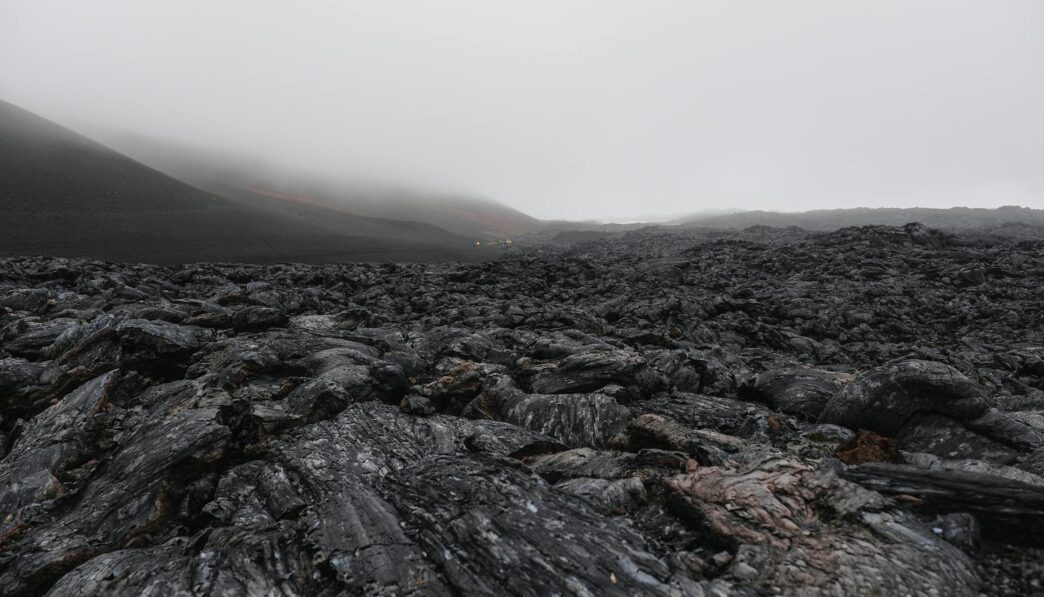
Explore how igneous rocks form from cooling magma and lava, their types, characteristics, and importance in Earth’s geology and daily life.
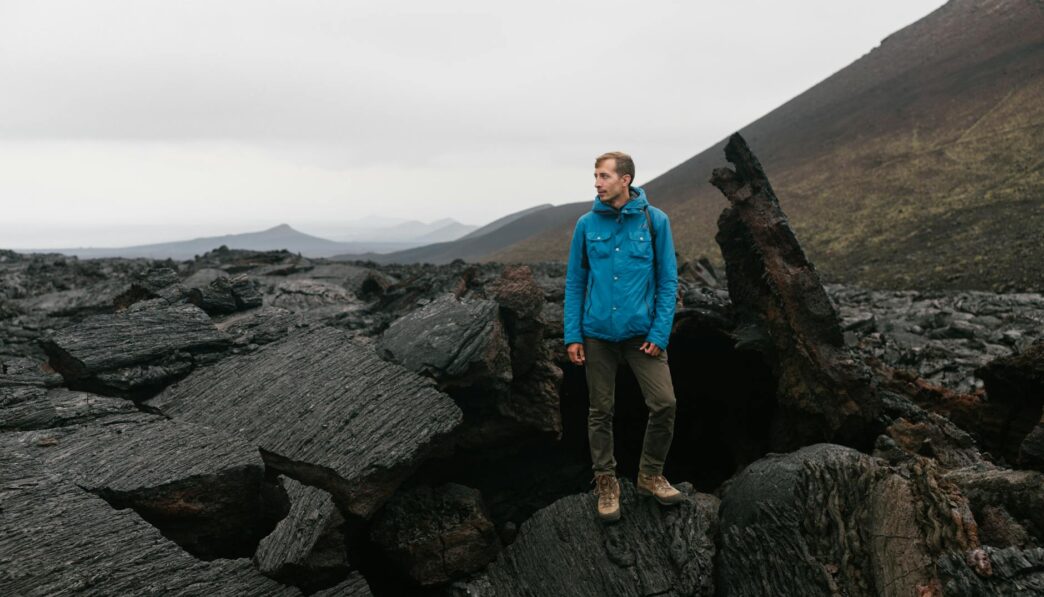
Explore how volcanoes form and erupt, their impact on climate and environment, and the benefits they bring to ecosystems and human life.
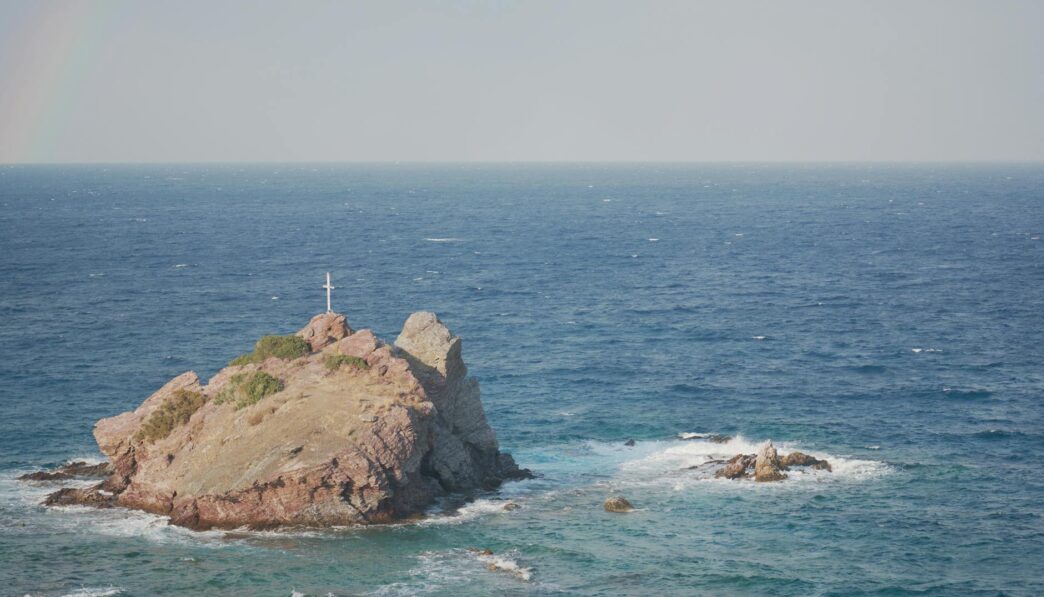
Explore the origins of Earth’s water and its vital role in ecosystems, human survival, and the water cycle that sustains life on our planet.
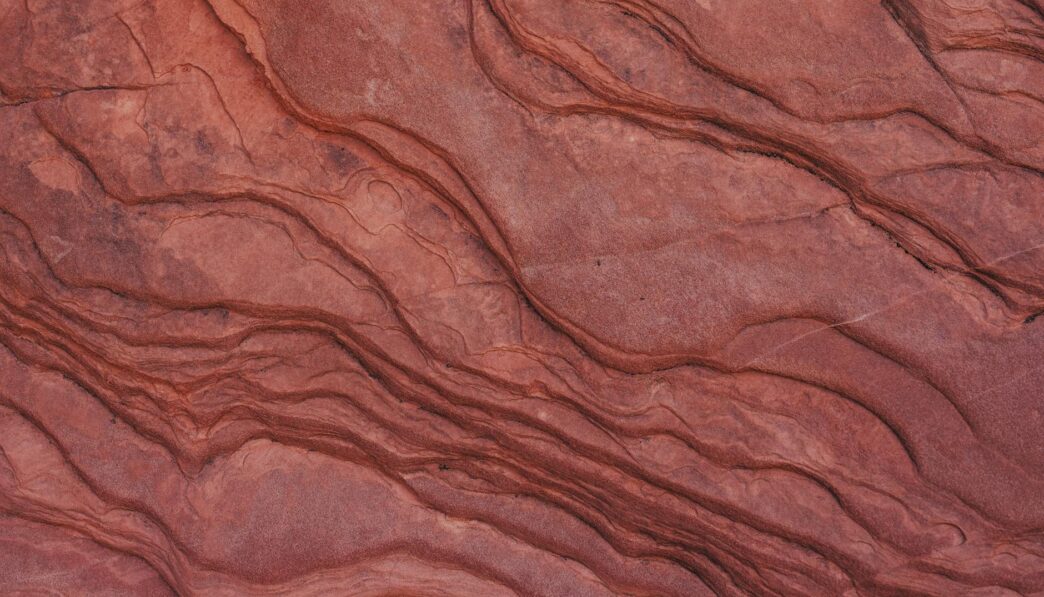
Discover stromatolites, ancient layered sedimentary structures formed by microbes, revealing Earth’s early life and unique ecosystems still found today.
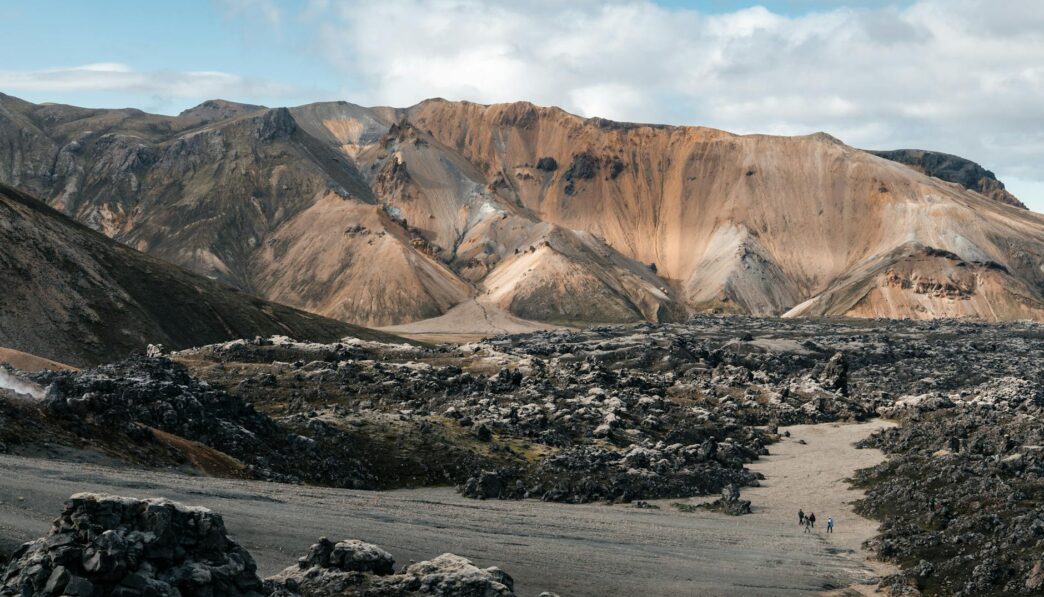
Explore how plate tectonics shape Earth’s surface, causing earthquakes, volcanic eruptions, and mountain formation through the movement of lithospheric plates.
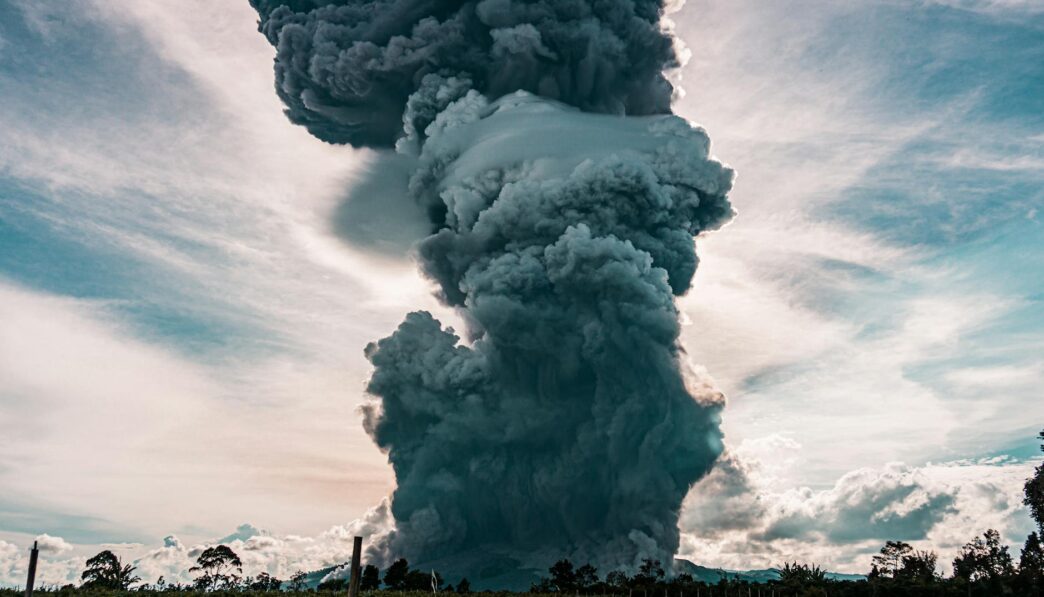
Explore the fundamentals of plate tectonics and the Earth’s lithosphere movement, understanding their impact on natural events and our planet’s future.

Explore the vital role of planetary crusts, from Earth’s minerals to tectonic activity and their impact on life, environment, and planetary evolution.

Explore the Snowball Earth hypothesis, detailing global glaciation events during the Proterozoic Eon and their impact on Earth’s climate and life.
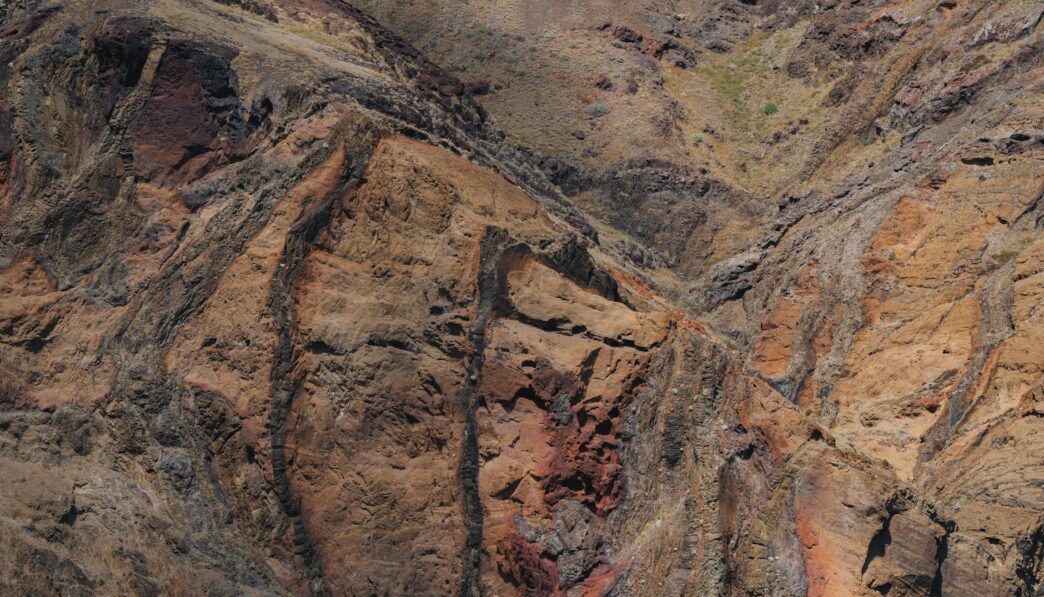
Discover the importance, formation, types, and uses of sandstone, a durable clastic sedimentary rock vital in construction, art, and energy sectors.

Explore the process of partial melting in rocks and its key role in volcanic activity, rock formation, and natural resource creation in geology.

Explore greenstone belts, ancient metamorphosed rock zones in cratons rich in geological history and valuable mineral deposits.

Antarctica is a vital polar desert influencing global climate, sea levels, and scientific research with unique wildlife and dynamic ice systems.

Explore volcanic ejecta, particles expelled during eruptions that impact climate, agriculture, and ecosystems. Learn their types, effects, and environmental role.

Explore how mass extinction events have shaped Earth’s biodiversity and why preserving species is vital for ecosystem balance and human survival.

Explore the Paleozoic Era, Earth’s first major geological period, highlighting key evolutionary milestones and mass extinction events shaping life today.

Explore the Hadean Eon, Earth’s earliest geological period from 4567 to 4031 million years ago, revealing the planet’s formation and early processes.