

Early Earth: Formation and Development in the First Billion Years
Explore the formation and development of Early Earth during its first billion years, revealing the origins of life and planetary evolution.

Explore the formation and development of Early Earth during its first billion years, revealing the origins of life and planetary evolution.

Detritus in geology refers to rock particles formed by weathering and erosion that shape landscapes and ecosystems through transport and deposition.

Discover Earth’s unique position as the third planet from the Sun and explore its key characteristics that sustain life and shape our environment.
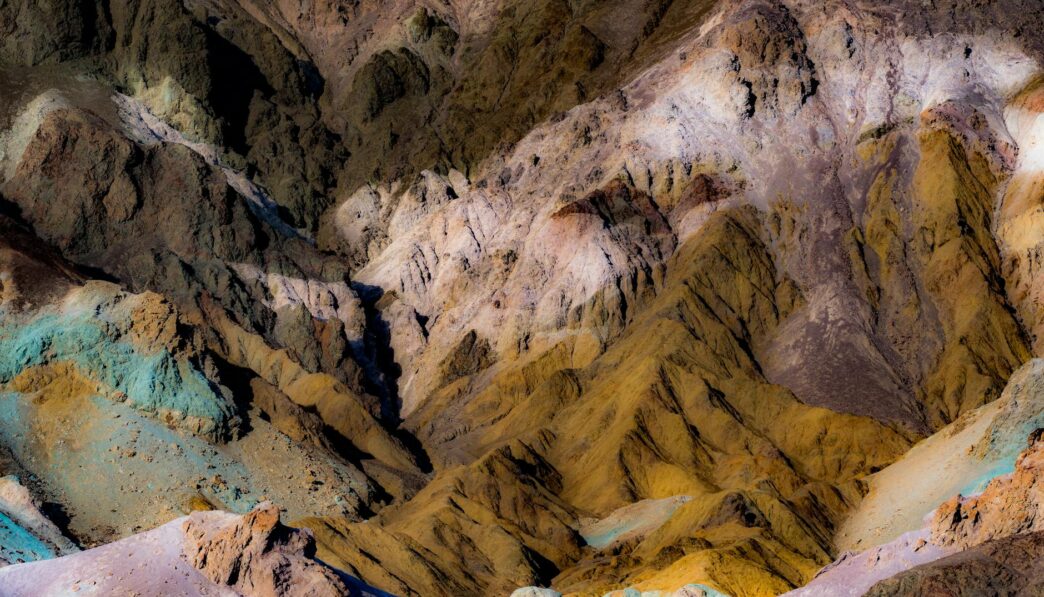
Explore the Archean Eon, a key geological era from 4031 to 2500 million years ago, marking Earth’s early crust formation and emergence of primitive life.
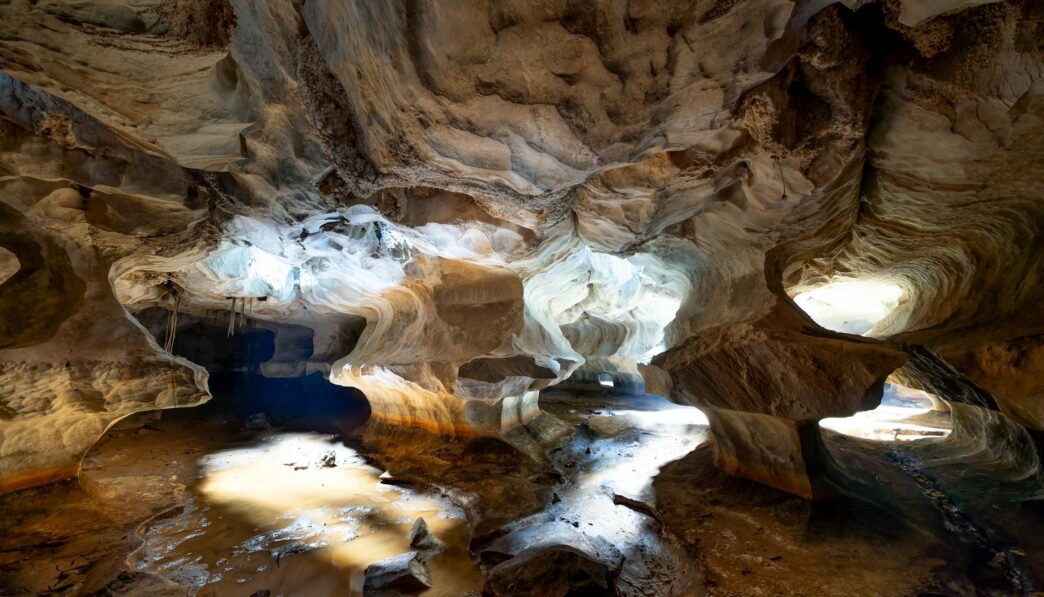
Explore Earth’s history through the geologic time scale, revealing how rock layers and fossils tell the story of life and geological events over billions of years.

Explore how Earth’s temperature increases with depth, the geothermal gradient, its causes, and its impact on energy and geology.

Explore the Eoarchean Era, Earth’s first Archean period, revealing early crust formation and the origins of life about 4 billion years ago.

The Andes Mountains span seven South American countries, offering unique ecosystems, rich culture, and diverse outdoor activities like hiking and skiing.
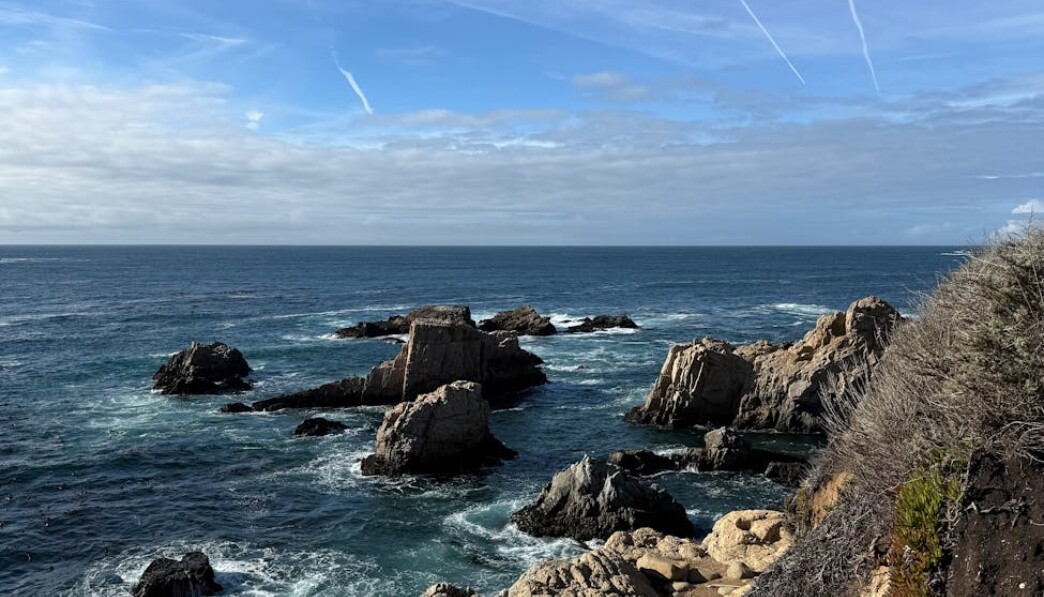
Explore the Hadean Eon, Earth’s earliest geological period marked by extreme conditions and the formation of the planet’s crust and atmosphere.
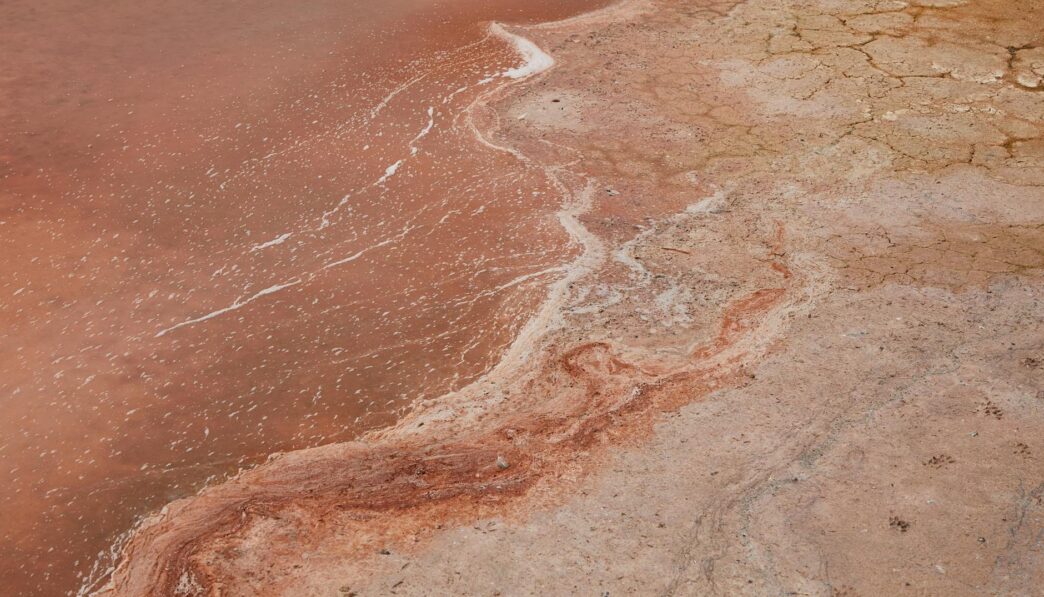
Discover how terranes, crust fragments moved by tectonic plates, reveal Earth’s history and impact natural hazard prediction and resource management.
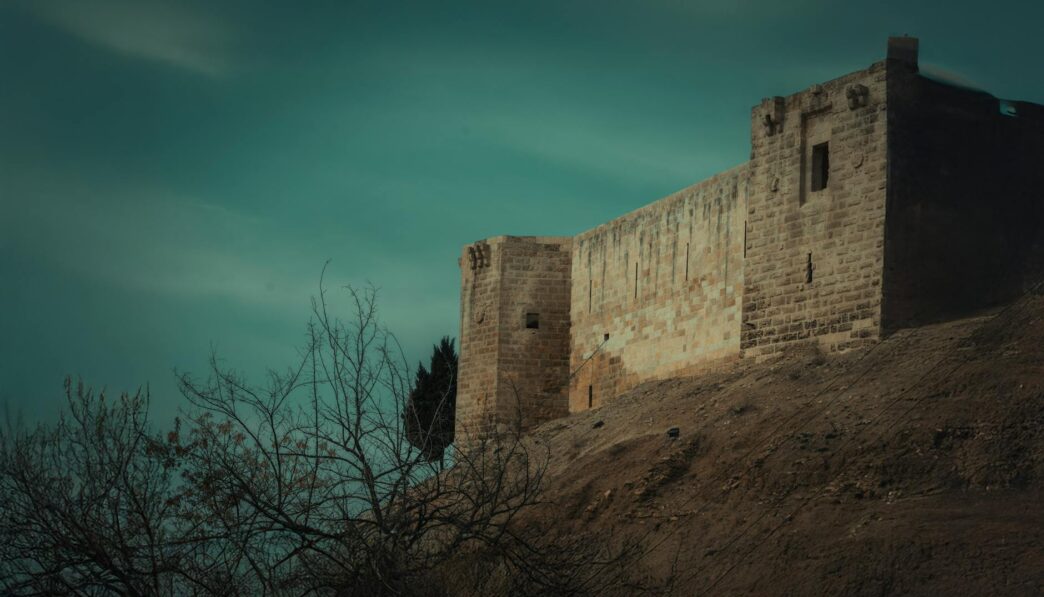
Explore Rodinia, the ancient Neoproterozoic supercontinent, its formation, breakup, and impact on Earth’s geological history and climate evolution.

Explore the oldest dated rocks on Earth and uncover insights into our planet’s 4 billion-year history, including early conditions and formation processes.

Explore Ur, a hypothetical Archean supercontinent from 3.1 billion years ago, revealing early Earth structure and geological evolution insights.

Mid-ocean ridges are underwater mountain systems where new oceanic crust forms, influencing Earth’s geology, ocean dynamics, and unique marine ecosystems.
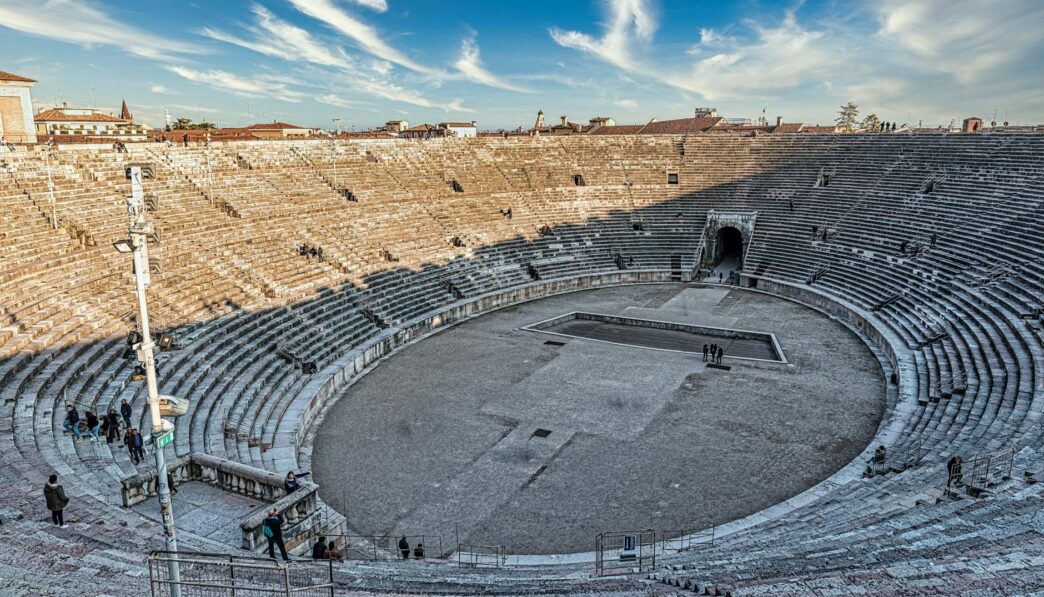
Explore Laurasia, the northern landmass of ancient Pangaea, and its crucial role in shaping Earth’s geology, climate, and biodiversity over millions of years.

Explore Laurentia, the ancient geological core of North America, its formation, key features, and impact on Earth’s geological and biological history.

Explore how volcanoes form, erupt, and impact our planet’s landscapes and climate. Understand their locations and the science behind their powerful eruptions.

Explore the oceanic crust’s composition, formation, and vital role in Earth’s geology and marine ecosystems beneath the ocean floor.
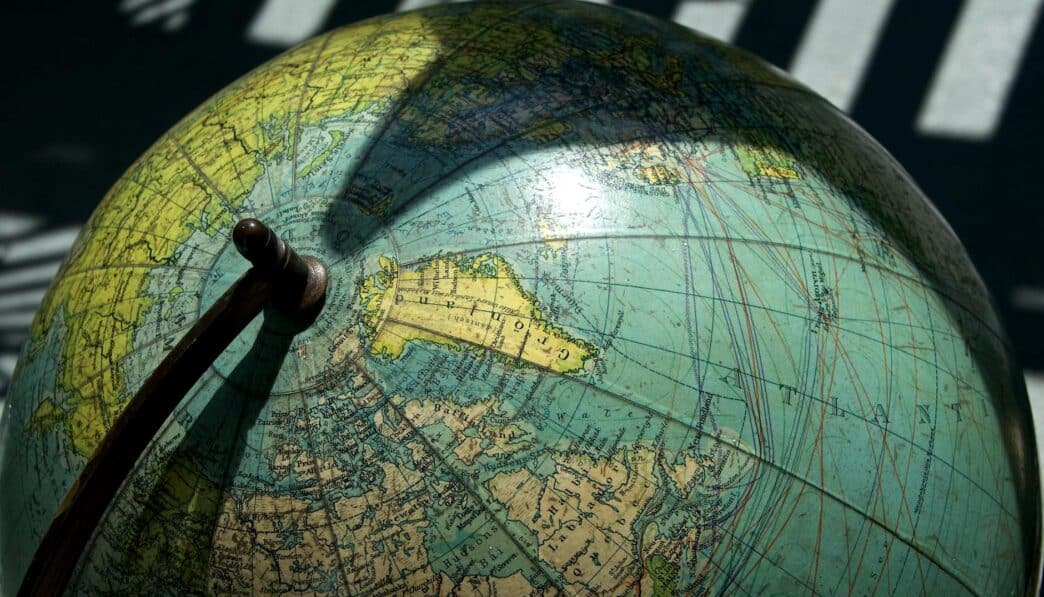
Explore the Mesozoic Era, Earth’s Age of Reptiles and Dinosaurs, highlighting key periods, fossil formation, and the rise of mammals and birds.
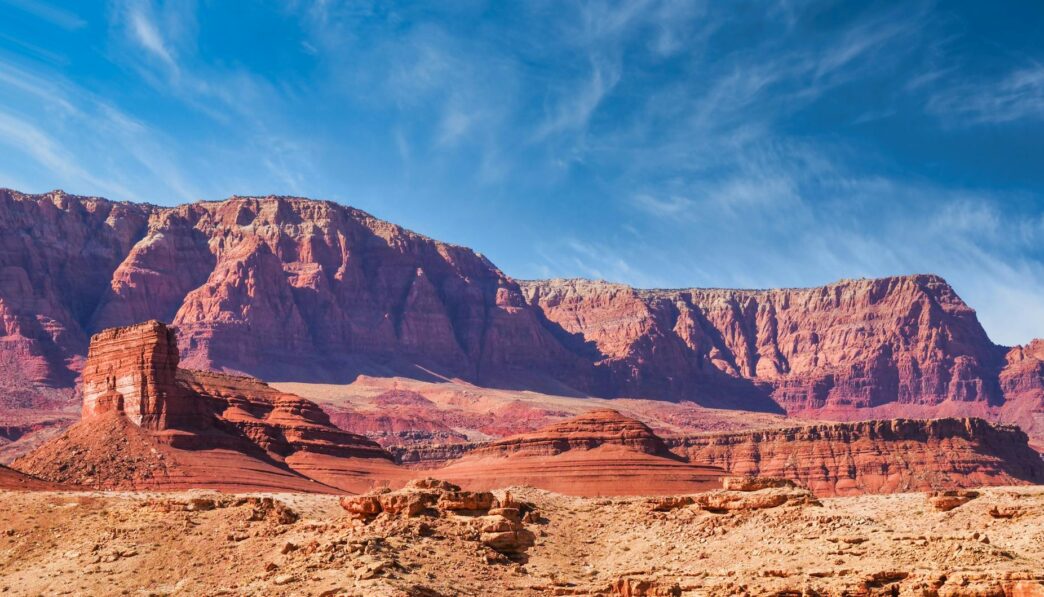
Cratons are ancient, stable parts of Earth’s continental lithosphere, offering insights into geological history and natural resources across continents.