
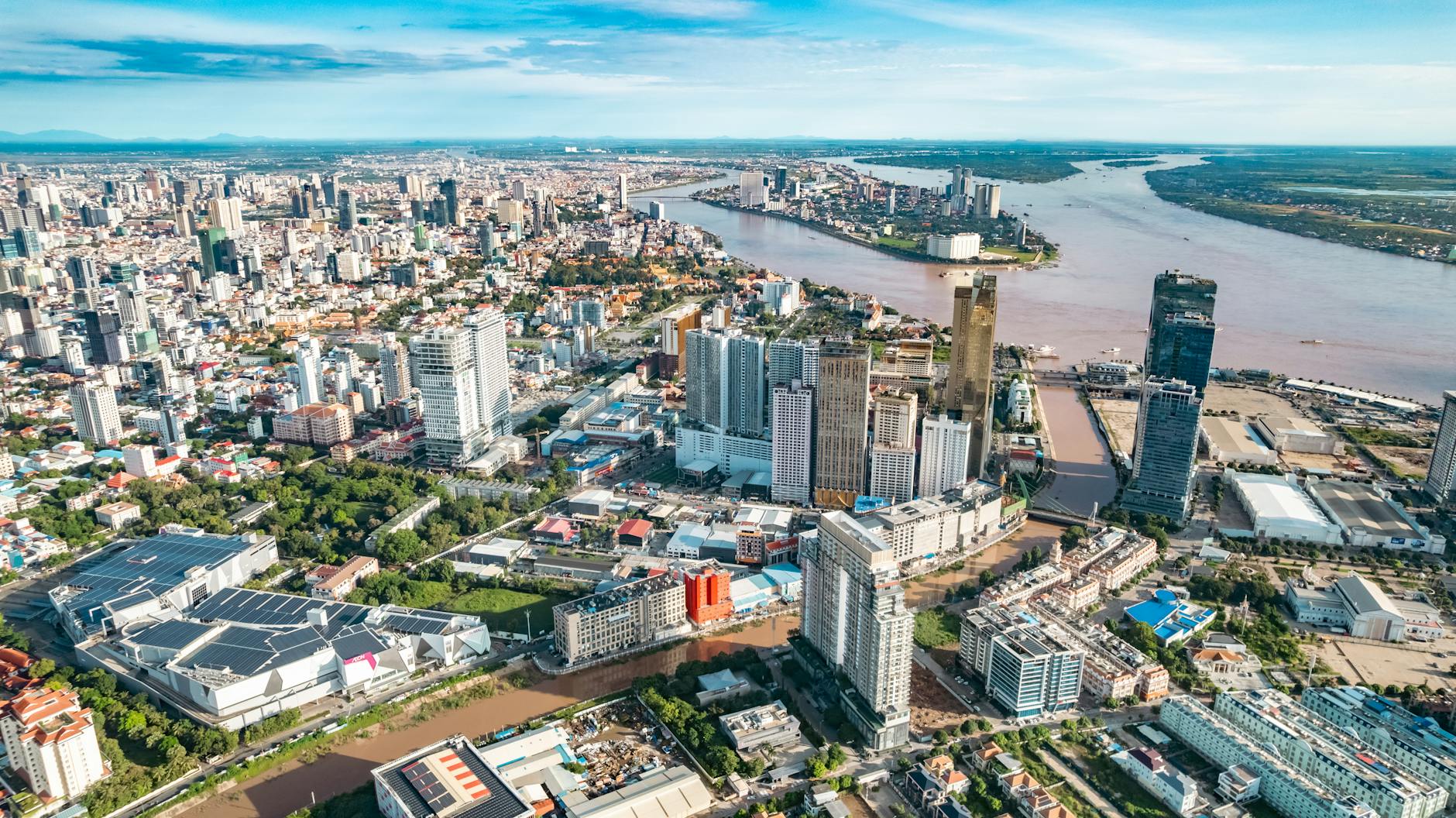
Understanding Cambodia’s Legacy: A Journey Through Time
The history of Cambodia is rich and complex, spanning thousands of years from early settlements around 5000 BCE to modern times. Understanding this history is vital as it influences the culture, social structures, and political landscape of Cambodia today. **Definition:** The history of Cambodia encompasses the events and developments that have shaped the country, including its ancient civilizations, colonial experiences, conflicts, and contemporary challenges.
The Heartbeat of a Nation: Cultural Resilience
Cambodia's cultural heritage is marked by enduring traditions and artistic expressions that have survived through centuries.
Traditions That Endure
Cambodian traditions reflect a blend of indigenous beliefs and external influences. Festivals like Khmer New Year celebrate agricultural cycles and community unity, while rituals honor ancestors and spirits. These practices maintain a connection to the past, reinforcing cultural identity.
Art and Expression
Khmer art, particularly in architecture and sculpture, has left a significant mark on Southeast Asia. Angkor Wat stands as a testament to the brilliance of Khmer design, showcasing intricate carvings that depict stories from Hindu mythology. Traditional music and dance also play essential roles in cultural expression, preserving narratives through performance.
Modern Challenges: Navigating Change
Cambodia faces numerous challenges as it strives for development while preserving its rich heritage.
Economic Growth vs. Heritage Preservation
Rapid economic growth has brought infrastructure development and foreign investment but has often conflicted with efforts to protect cultural sites. Balancing modernization with heritage preservation remains a pressing concern for Cambodians who value their history.
Social Dynamics in Transition
Cambodia’s society is undergoing significant changes due to globalization and urbanization. While younger generations embrace new ideas and technologies, many elders worry about losing cultural values. This tension highlights the need for dialogue between traditional practices and contemporary influences.
How It Works: The Mechanisms of Historical Influence
Cambodia's history is shaped by various factors that contribute to its current identity.
The Role of Education and Memory
Education plays a critical role in shaping national identity. Schools teach not only academic subjects but also the importance of Cambodian history, ensuring that future generations understand their roots. Memorials and museums help preserve memories of tragic events like the Khmer Rouge era, fostering collective remembrance.
Cultural Exchange and Its Impact
Cultural exchanges throughout history have enriched Cambodian society. Trade routes connected Cambodia with India, China, and other Southeast Asian nations, facilitating the exchange of ideas, art forms, and religious beliefs. This interaction has left lasting influences on everything from cuisine to spiritual practices.
Common Misconceptions About Cambodian History
Many misconceptions surround Cambodian history that can obscure its true complexity.
The Myth of a Homogeneous Culture
Contrary to common belief, Cambodian culture is not monolithic; it is a mosaic of influences from various ethnic groups. Each group contributes unique customs, languages, and traditions that enrich the national identity.
Understanding the Khmer Rouge Era
The Khmer Rouge period (1975-1979) represents one of Cambodia's darkest chapters. Misunderstandings often portray this era solely as a time of brutal dictatorship without acknowledging the historical context that led to such turmoil. The regime's impact continues to affect Cambodian society today through trauma and loss.
A Tapestry of Influences: The Global Context
Cambodia’s history cannot be viewed in isolation; it interacts with regional and global forces.
Regional Interactions and Trade
From ancient times, Cambodia was part of vibrant trade networks connecting India, China, and other Southeast Asian nations. These interactions fostered economic growth but also led to conflicts over resources and territory.
The Influence of Colonial Powers
Colonialism profoundly impacted Cambodia’s development trajectory. The French protectorate (1863-1953) introduced new governance structures but also limited local autonomy. The legacy of colonial rule continues to shape contemporary political dynamics.
Looking Forward: Cambodia’s Future Directions
As Cambodia navigates modernity, it faces opportunities alongside challenges.
Sustainable Development Goals
Cambodia aims to achieve sustainable development goals while managing environmental issues such as deforestation and climate change impacts. Balancing economic growth with ecological preservation will be essential for future prosperity.
Your Role in Supporting Cambodian Heritage
People around the world can support Cambodian heritage by promoting awareness through tourism or contributing to preservation efforts. Engaging with Cambodian culture fosters understanding and appreciation for its rich history. In conclusion, Cambodia's historical timeline reveals a nation marked by resilience amidst adversity. By understanding its past, we can appreciate its journey towards a hopeful future while nurturing its rich cultural heritage.
Sources
- History of Cambodia – Wikipedia
- www.cambodiatribunal.org
- www.jstor.org
- web.archive.org
- doi.org
- hdl.handle.net
- www.anthropology.hawaii.edu
- web.archive.org
- www.anthropology.hawaii.edu
- michaelvickery.org
- web.archive.org
Why do you keep falling for the same type?
Read the article Lovemaps: the hidden blueprint of our love.
Did you not find what you were looking for? Let me help you find more.
