
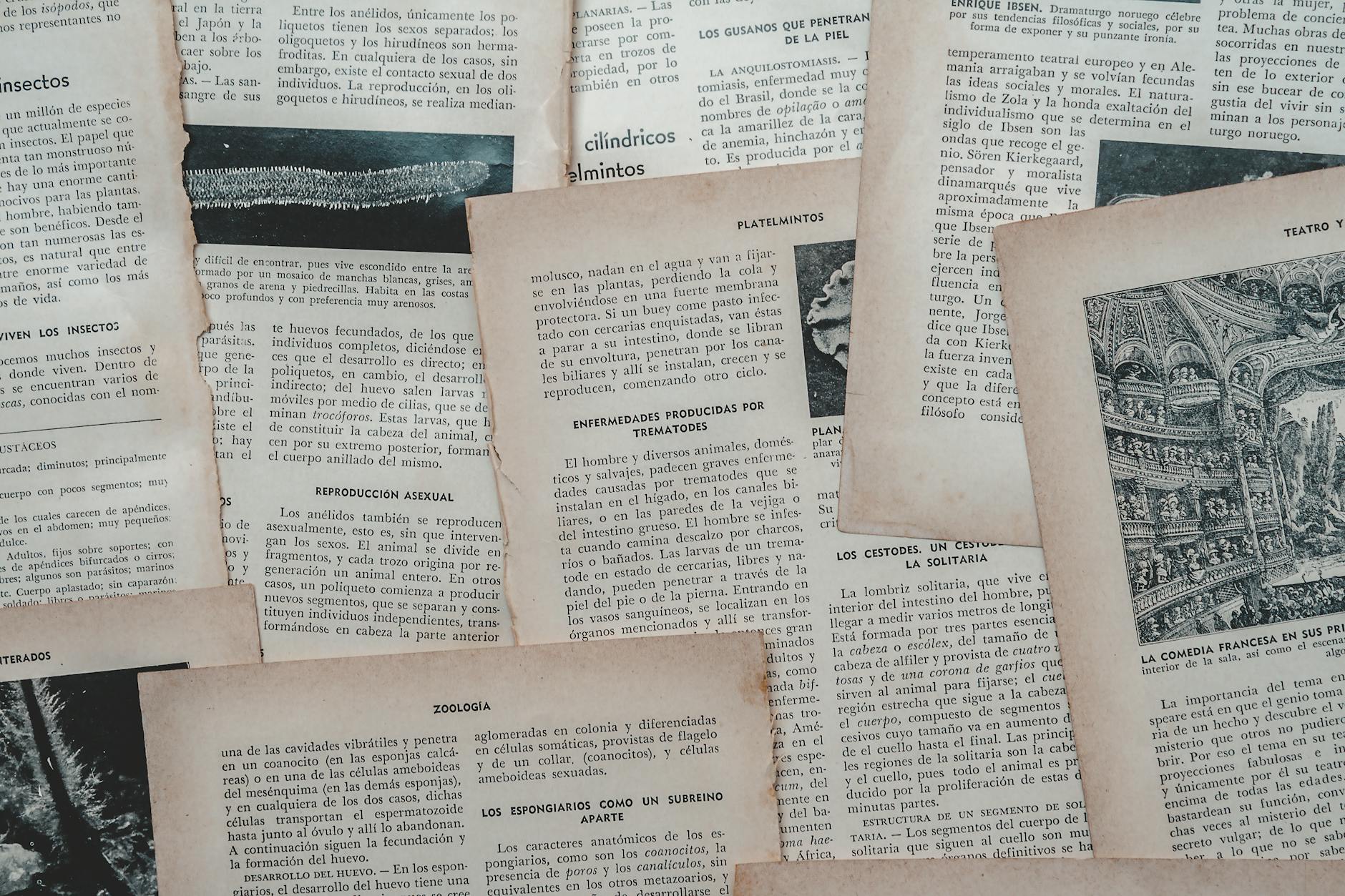
Many people confuse Classical Studies with just the study of ancient languages. This oversimplification misses the broader scope of the discipline. Classical Studies encompasses languages, literature, history, and culture from ancient civilizations. Readers will gain a clearer understanding of what this field truly involves.
Unlocking the Secrets of the Past
Classical Studies, often referred to as Classics, is a field that explores the languages, literature, history, and cultural aspects of ancient civilizations, primarily Ancient Greece and Ancient Rome. This discipline is significant because it enhances our understanding of modern culture and society, shaping our values and beliefs.
Classical studies is one of the earliest branches of the humanities, covering various elements of the ancient Mediterranean world. It focuses mainly on Ancient Greece and Ancient Rome during classical antiquity, an era that spans from around 1600 BC to about 500 AD.
Decoding Ancient Languages
The Beauty of Lost Tongues
Languages such as Ancient Greek and Classical Latin are not merely historical artifacts; they provide profound insights into human thought and culture. These languages express ideas that have shaped philosophies, sciences, and artistic expressions throughout history. Their study reveals how people in the past perceived their world and interacted with it.
How Linguists Bring Them Back to Life
Linguists play a crucial role in reviving these ancient languages by analyzing inscriptions, manuscripts, and texts to reconstruct lost vocabulary and grammar. Through careful translation and interpretation, they reintroduce voices from the past into contemporary discourse. This process enriches our understanding of history and enhances our appreciation for language itself.
Literature That Shaped Civilization
Timeless Themes and Their Modern Echoes
The literature of classical antiquity addresses themes such as love, power, conflict, and morality,topics that remain relevant today. Works like Homer’s “Iliad” and Virgil’s “Aeneid” explore human emotions and societal issues that resonate across centuries. By studying these texts, we gain insight into how foundational narratives influence modern storytelling.
Influence on Contemporary Storytelling
Many contemporary writers draw inspiration from classical literature. Elements such as epic journeys or tragic flaws can be traced back to ancient narratives. This connection underscores how stories evolve while remaining rooted in timeless human experiences, demonstrating the enduring legacy of classical literature in today’s world.
A Window into Ancient Societies
Understanding Culture Through Artifacts
Artifacts such as pottery, sculptures, and ruins serve as tangible links to ancient societies. Archaeologists meticulously excavate these objects to reconstruct daily life in classical times. For instance, examining a vase can reveal much about social customs or trade practices.
Daily Life in the Classical World
The remnants of ancient homes provide insights into family structures, gender roles, and economic activities. By studying these aspects of daily life in Ancient Greece and Rome, we learn how people lived, worked, and interacted with one another,a reminder that while times change, certain human experiences remain constant.
How It Works: The Interdisciplinary Approach
Merging Archaeology, History, and Language
Classical Studies is inherently interdisciplinary. Scholars combine archaeology with historical analysis and linguistic study to create a comprehensive picture of ancient life. This collaboration allows for richer interpretations of historical events and cultural phenomena.
The Role of Technology in Research
Modern technology has transformed how researchers study classical antiquity. Techniques such as digital imaging allow for clearer examination of fragile manuscripts without damaging them. Additionally, Geographic Information Systems (GIS) help accurately map ancient sites, enhancing our understanding of historical geography.
Common Myths About Classical Studies
Myth 1: It’s Only for Scholars
A common misconception is that Classical Studies is solely for academics or professionals. In reality, anyone with an interest in history or culture can engage with this field. Many resources are accessible to the public, including books, documentaries, and online courses that invite broader participation.
Myth 2: It’s Irrelevant to Modern Life
Another myth is that Classical Studies lacks relevance today. In truth, many concepts from ancient civilizations influence modern politics, philosophy, and art. Understanding these influences can enrich one’s perspective on current events and cultural debates.
The Future of Classical Studies
Emerging Trends and Technologies
The field continues to evolve with emerging trends in digital humanities and interdisciplinary research methods. Scholars increasingly use technology to analyze texts and artifacts in innovative ways, opening new avenues for understanding classical antiquity.
Engaging New Audiences
Classical Studies aims to engage diverse audiences through public lectures, exhibitions, and educational programs. By making the subject more accessible and relatable to contemporary society, scholars hope to spark interest in ancient cultures among younger generations.
Your Journey into the Classics Begins Here
Resources for Further Exploration
If you’re intrigued by Classical Studies, numerous resources are available for exploration. Libraries often have extensive collections on ancient history and literature. Online platforms provide access to courses on Greek or Roman culture as well as translations of classical texts.
Getting Involved in the Field
You can also get involved by attending local lectures or joining clubs focused on classical literature or archaeology. Many universities offer outreach programs that welcome community participation in research projects related to Classics.
In conclusion, Classical Studies remind us that understanding our past enriches our present. By exploring ancient languages, literature, societal structures, and their ongoing influence today, we not only preserve history but also gain valuable insights into human nature itself.
Sources
- Outline of classical studies – Wikipedia
- en.wiktionary.org
- commons.wikimedia.org
- en.wikinews.org
- en.wikiquote.org
- en.wikisource.org
- en.wikibooks.org
- en.wikiversity.org
Afterword
The initial observation highlights a common mix-up regarding the focus of Classical Studies. By clarifying its broader scope, readers can appreciate the richness of this discipline and its relevance to modern society.
Articles
- Classical Architecture: Principles and Influence of Greco-Roman Design
- Understanding Classical Conditioning: Examples and Key Concepts
- Renaissance Humanism: Revival of Classical Studies and Ideas
- Overview of Classical Architecture and Its Influences
- Understanding Inertia in Classical Physics Principles
- Overview of Art History: Key Periods and Movements Explained
Days
- September: Classical Music Month (United States)
- September 4: Book Day (Tajikistan)
- September: Piano Month (United States)
- August 29: Telugu Language Day (India)
Why do you keep falling for the same type?
Read the article Lovemaps: the hidden blueprint of our love.
Did you not find what you were looking for? Let me help you find more.
