
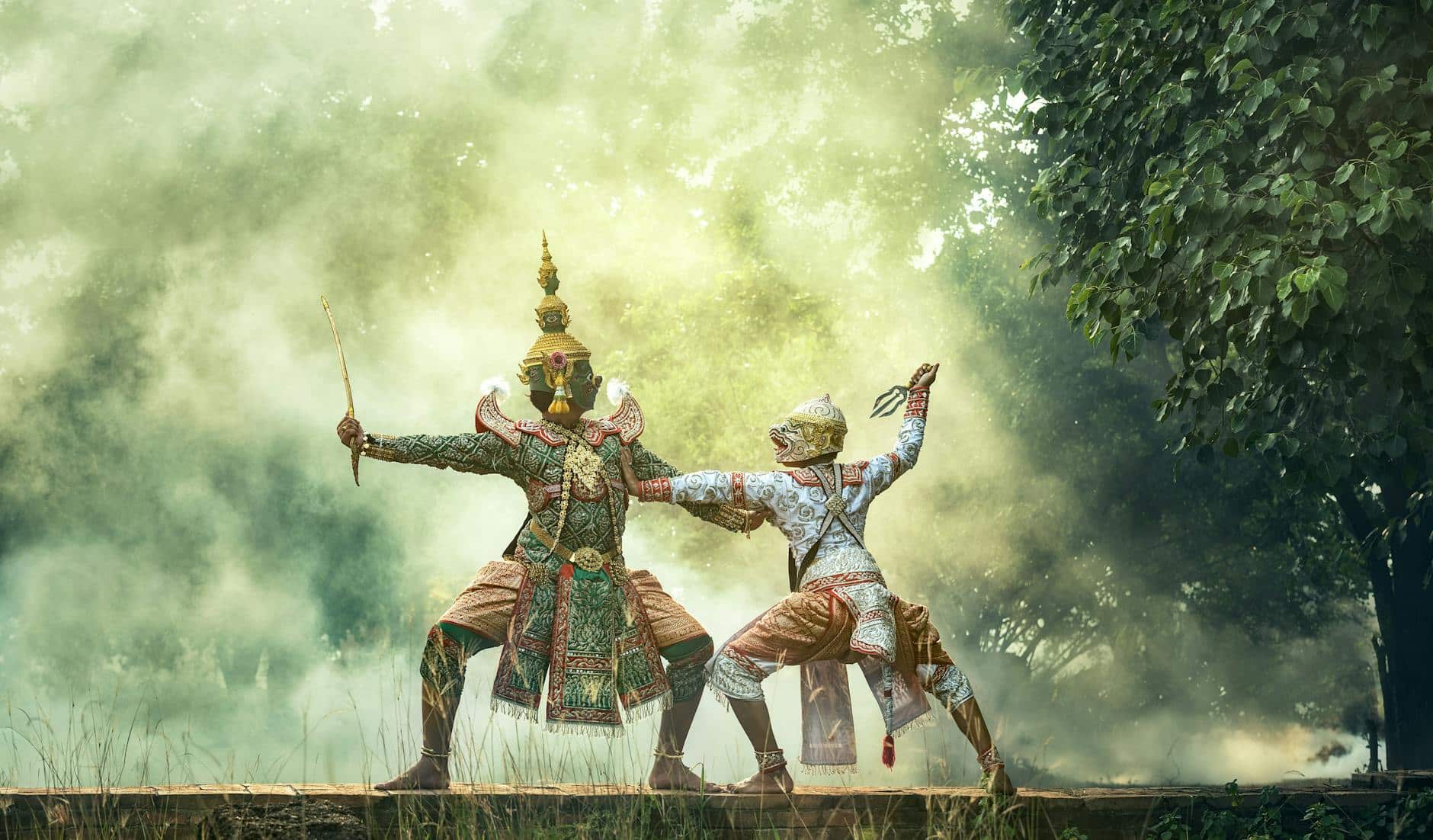
Many people think dance is just about movement and rhythm. This view oversimplifies the rich cultural and emotional layers involved. Dance encompasses various forms of expression and social interaction. After reading, you will better understand the complexities of dance beyond mere steps.
Why Dance Matters Today
At a wedding reception, the dance floor fills with guests of all ages, laughing and moving in sync to lively music. This joyful scene highlights how dance brings people together, transcending words and cultural barriers. Dance is a form of human movement used for expression or presented in social, spiritual, or performance settings. It connects people, allowing them to express emotions and share experiences.
Connecting Through Movement
Dance serves as a powerful tool for connection. It fosters community and allows individuals to express their feelings without relying on language. Whether it's a traditional folk dance celebrating heritage or contemporary styles reflecting modern life, dance creates bonds among participants. Events like festivals and social gatherings often feature dance, inviting everyone to join in and celebrate together.
Dance as a Universal Language
Dance communicates emotions and stories through movement, making it a universal language. People from diverse backgrounds can connect through dance, sharing experiences without the need for words. This makes dance an important cultural expression that can bridge gaps between different societies.
Understanding the Mechanics of Dance
The Body in Motion
The human body is designed for movement. Each dance style requires different techniques that engage various muscle groups and emphasize coordination. Dancers learn to control their bodies through training, developing strength and flexibility. Understanding how the body moves enhances performance and reduces the risk of injury.
Rhythm and Coordination
Rhythm plays a vital role in dance. It helps dancers synchronize their movements with music or the beat of their own bodies. Coordination involves timing and spatial awareness, allowing dancers to execute steps gracefully while interacting with partners or groups. Mastering rhythm and coordination is essential for successful dancing.
How It Works: The Science Behind Dance
Neurological Connections
When people dance, numerous neurological processes occur in the brain. These connections help with balance, motor skills, and emotional regulation. Dancing also stimulates the release of endorphins, which can lead to feelings of happiness and reduce stress levels. This scientific link between movement and mood explains why many people turn to dance for enjoyment.
Physical Benefits
Dancing offers significant physical benefits. It improves cardiovascular health, enhances muscle strength, increases flexibility, and boosts overall fitness levels. Regular participation in dance can aid in weight management and improve coordination, making it an enjoyable form of exercise.
Common Misconceptions About Dance
“You Have to Be Born a Dancer”
Many believe that only those born with natural talent can dance well. This misconception discourages people from trying something new. In reality, anyone can learn to dance with practice and dedication. Dance classes are available for all skill levels, making it accessible for everyone.
“Dance is Just for Performers”
Another common misunderstanding is that dance is solely for performers or professionals. While performance is one aspect of dance, many people enjoy dancing socially or as a hobby without any intention of performing on stage. Dance can be a personal expression that enriches everyday life.
Cultural Significance of Dance
Traditions and Rituals
Dance has deep cultural roots across various societies worldwide. Many cultures incorporate dance into rituals and celebrations, such as traditional wedding dances or harvest festivals where community members come together in movement to honor their heritage. These dances help preserve cultural identities and pass down traditions from one generation to the next.
Dance as a Reflection of Society
Dance often mirrors societal changes and values. Over time, styles have evolved to reflect current trends within cultures. For example, hip-hop emerged as a voice for marginalized communities while ballet has long been associated with classical elegance.
The Future of Dance: Innovations and Trends
Technology in Choreography
Advancements in technology are shaping the future of dance choreography. Digital tools allow choreographers to create complex routines more efficiently than before. Virtual reality may also offer new ways for dancers to train or perform in immersive environments.
Dance in the Digital Age
Social media platforms have transformed how people share dance performances and tutorials. Viral challenges invite everyone to participate regardless of skill level, fostering a global community around shared movements. This trend encourages creativity among dancers worldwide.
Getting Started: How to Embrace Dance in Your Life
Finding Your Style
With so many styles available, from salsa to contemporary, finding the right fit can be exciting yet overwhelming. Exploring different genres helps individuals discover what resonates most with them personally or socially.
Dance as a Form of Expression
Once you find your style, embrace it as a form of self-expression! Dance provides an outlet for emotions such as joy or sadness, allowing people to communicate what they may struggle to articulate verbally. In conclusion, dance is more than just movement; it’s an art form deeply woven into our social fabric that enriches lives across generations. Whether connecting through rhythm or expressing ourselves creatively, dance remains an essential part of human culture that continues to evolve while retaining its core significance.
Sources
- Outline of dance – Wikipedia
- en.wikiquote.org
- en.wiktionary.org
- commons.wikimedia.org
- en.wikinews.org
- en.wikisource.org
- en.wikibooks.org
- en.wikiversity.org
- www.gutenberg.org
- www.dancemuseum.org
Afterword
This observation highlights how dance is often seen as a simple activity focused solely on movement. However, it is much more than that, involving deep cultural significance and emotional expression.
Why do you keep falling for the same type?
Read the article Lovemaps: the hidden blueprint of our love.
Did you not find what you were looking for? Let me help you find more.
