
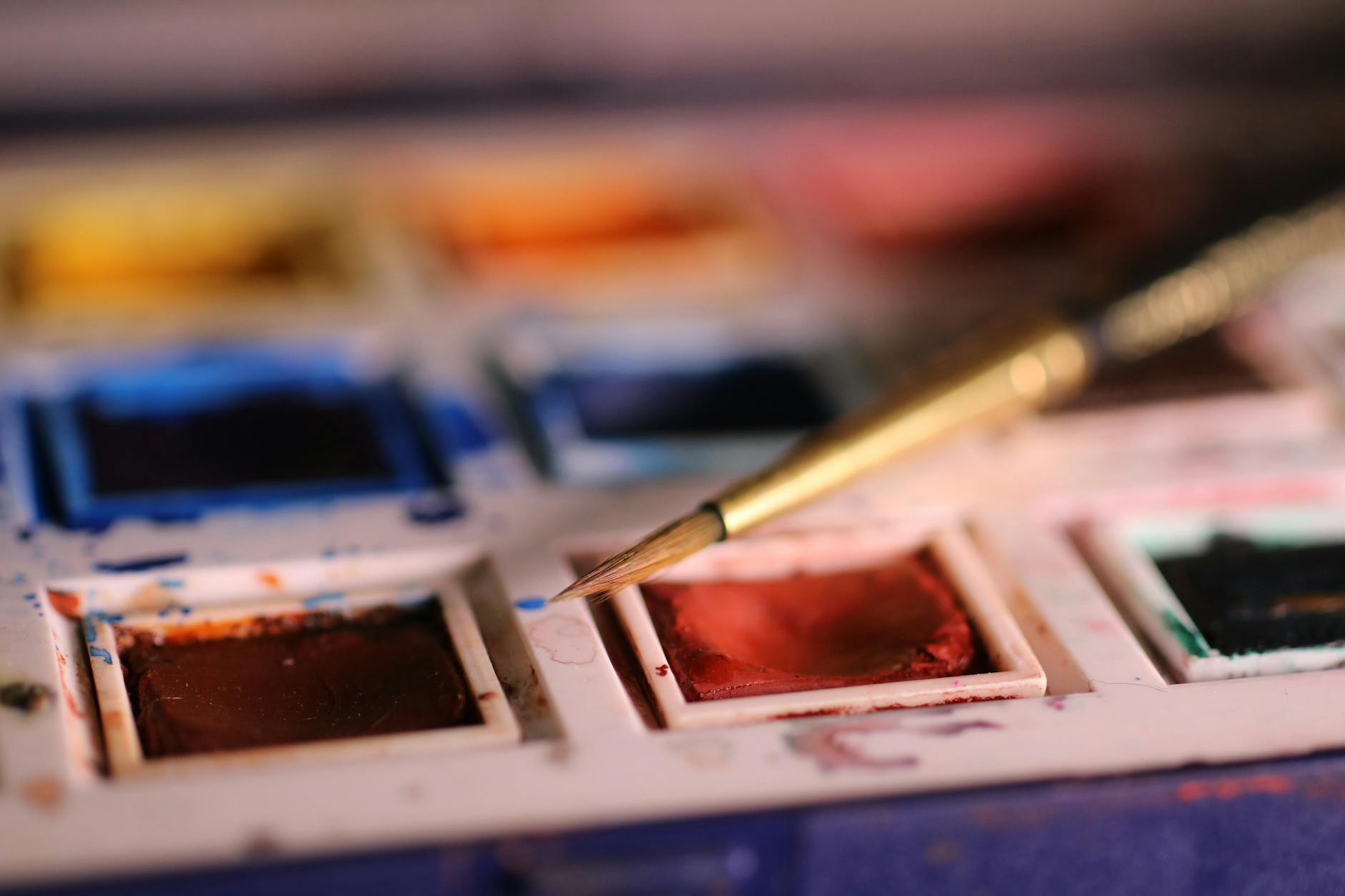
Many people think painting is just about putting colors on a canvas. This view oversimplifies the depth and complexity of the medium. Painting involves various techniques and emotional expressions that people often mix up. After reading, you will better understand the nuances of painting as an art form.
Why Painting Matters in Everyday Life
Painting is the practice of applying paint, pigment, or color to a surface to create artwork. It holds significance for many as a form of emotional expression, cultural storytelling, and personal reflection. Whether through a bold abstract piece or a serene landscape, painting connects individuals to their emotions and ideas, illustrating human experiences across time and cultures.
Connecting Emotions and Experiences
Painting serves as a powerful outlet for expressing complex emotions. Artists often use color, texture, and form to convey feelings that words may fail to express. For example, Vincent van Gogh's "Starry Night" captures turmoil and beauty through swirling colors and dynamic brush strokes. Viewers can feel the artist's passion and struggles within the artwork. Beyond individual expression, painting can foster connections among people. Community art projects bring together diverse groups to collaborate on large murals or collective canvases. These initiatives not only beautify public spaces but also promote dialogue and understanding among participants.
Influence on Culture and Society
Throughout history, painting has played a vital role in shaping cultural identity. From religious iconography in medieval Europe to the bold messages of social movements in contemporary art, paintings reflect societal values and challenges of their time. The Harlem Renaissance highlighted African-American culture and identity through visual art. Moreover, famous paintings often inspire social change by drawing attention to pressing issues. Artists like Picasso with "Guernica" have used their work to protest war and violence, prompting viewers to reflect on the impact of conflict.
How It Works: The Science Behind Painting
The Chemistry of Pigments
The colors seen in paintings come from pigments, substances that provide color when mixed with a binder. These pigments can be natural or synthetic and vary widely in properties like transparency and lightfastness. For example, titanium dioxide is commonly used for its opacity and brightness. Understanding the chemistry behind pigments helps artists choose materials that achieve desired effects while ensuring longevity in their work. Artists often experiment with different combinations of pigments to create unique shades or textures.
Understanding Brush Techniques
Brush techniques significantly influence the outcome of a painting. Brush strokes can range from delicate glazes to thick impasto applications that add depth and texture to the surface. Artists may use various brushes,flat, round, or fan-shaped,to achieve different effects. For instance, impressionists like Claude Monet employed quick brushstrokes to depict fleeting moments in nature. This technique helps convey movement and light dynamics within their landscapes.
Layering and Drying Processes
Layering is a fundamental aspect of painting that adds complexity and richness to artwork. Artists often build multiple layers of paint to achieve depth. Each layer must dry before adding another; otherwise, colors can mix unintentionally. Drying processes vary depending on the medium used; oil paints take longer to dry than acrylics due to their composition. Understanding how different mediums behave allows artists to plan their work effectively.
Breaking Down the Myths Around Painting
Myth: Anyone Can Paint Like a Master
Many believe that anyone can produce masterpieces with enough practice; however, mastery involves years of study and dedication. While anyone can learn the basics of painting, developing a unique style requires time, experience, and artistic vision.
Myth: Only Traditional Techniques Matter
Some people think traditional techniques are the only valid forms of painting. However, modern movements have expanded what painting can be. Styles like street art or digital painting challenge conventional notions while offering new avenues for expression.
Myth: Art is Just About Skill
Art is often associated solely with technical skill; yet it involves creativity, emotion, and personal perspective as well. Many renowned artists faced criticism early in their careers despite their talent because they challenged existing norms or experimented with unconventional techniques.
The Role of Color in Artistic Expression
The Psychology of Color Choices
Color plays an essential role in conveying mood and emotion in painting. Different colors evoke specific feelings; for example, red can signify passion or anger while blue might evoke calmness or sadness. Artists carefully choose color palettes based on the emotional response they wish to elicit from viewers. Understanding color theory helps artists create harmonious compositions or deliberately clash colors for dramatic effect. This knowledge allows them to manipulate viewer perception effectively.
Cultural Significance of Colors
Colors carry cultural meanings that vary across societies. In some cultures, white represents purity; in others, it symbolizes mourning. Artists consider these cultural contexts when selecting colors for their works to communicate messages that resonate with specific audiences. For instance, vibrant colors are often associated with celebration in many cultures while muted tones might reflect somber themes.
Innovations in Modern Painting Techniques
Digital Painting Revolution
The rise of technology has transformed how people engage with painting through digital mediums. Digital painting tools allow artists to experiment without the constraints of traditional materials, offering endless possibilities for creativity. Programs like Adobe Photoshop provide features such as layering and blending modes that enhance artists' capabilities beyond what physical paint offers. This shift has also led to new styles combining traditional techniques with digital enhancements.
Mixed Media Approaches
Mixed media incorporates various materials within a single artwork, combining paint with collage elements like photographs or fabric. This approach encourages experimentation while challenging conventional boundaries of painting. Artists such as Robert Rauschenberg have pioneered this method by creating works that blend images from different sources alongside paint, inviting viewers into layered narratives rich with meaning.
The Therapeutic Benefits of Painting
Mental Health and Well-being
Painting offers therapeutic benefits by promoting relaxation and mindfulness. Engaging in creative activities can reduce stress levels while fostering self-expression,a crucial aspect of mental health care. Art therapy utilizes painting as a tool for healing; individuals can explore emotions safely through creative processes without judgment.
Creative Expression as a Coping Mechanism
Many people turn to painting as an outlet during challenging times, finding solace in expressing themselves visually rather than verbally articulating complex feelings. This form of creative expression can help individuals process trauma or grief while facilitating personal growth. By allowing emotions to flow onto canvas freely, people often find clarity amid chaos, transforming pain into powerful visual stories.
Engaging with Painting: Tips for Beginners
Starting Your First Canvas
If you're ready to start your own painting journey, begin by gathering essential supplies like paints, brushes, canvases, and palettes. Choose a subject you’re passionate about,whether it's a still life setup or an abstract idea,and let your creativity flow without fear of judgment. Experimentation is key; embrace mistakes as part of the learning process while discovering your unique style along the way!
Finding Inspiration in Everyday Life
Inspiration for painting can arise from everyday experiences,nature walks, bustling city streets, or even emotional moments shared with loved ones. Keep an open mind as you observe the world around you; jot down ideas or sketch scenes that resonate with you before translating them onto canvas later. By finding beauty in mundane moments or expressing profound emotions visually through art forms like painting, you’ll deepen your connection not only with your work but also with life itself.In summary, painting is not just an art form but also a medium for communication that transcends boundaries between cultures and individuals alike.
Sources
- Outline of painting – Wikipedia
- en.wiktionary.org
- commons.wikimedia.org
- en.wikinews.org
- en.wikiquote.org
- en.wikisource.org
- en.wikibooks.org
- en.wikiversity.org
- www.wikidata.org
- www.wikidata.org
Afterword
The observation about painting being merely about color application highlights a common misconception. By exploring the techniques and emotional depth involved, readers can appreciate the art form more fully.
Articles
- Overview of the Italian Language and Its Regional Variants
- Overview of Art History: Key Periods and Movements Explained
- The Study of Humanities in the United States: Overview and Importance
- Environmental Humanities: Exploring Culture, Nature, and Climate Issues
- Understanding Sculpture: An Overview of Three-Dimensional Art
- Understanding the Meaning of Life: Philosophical Perspectives and Insights
Days
- September 11: Our Lady of Coromoto Day (Venezuela)
- September 10: Swap Ideas Day (United States)
- September 9: Children's Day (Costa Rica)
- September 7: Grandma Moses Day (United States)
Why do you keep falling for the same type?
Read the article Lovemaps: the hidden blueprint of our love.
Did you not find what you were looking for? Let me help you find more.
