
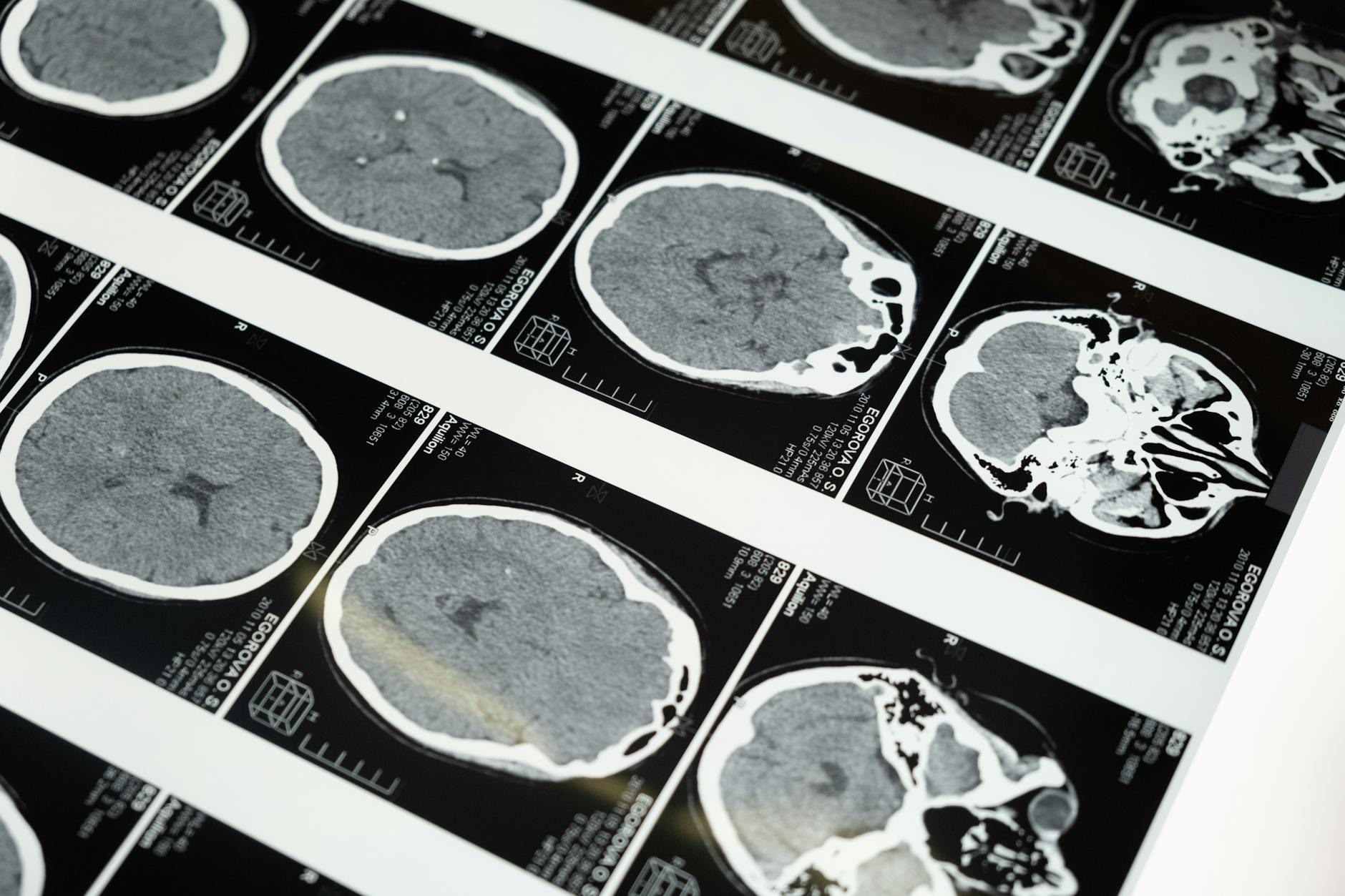
Understanding Psychogenic Non-Epileptic Seizures
Psychogenic non-epileptic seizures (PNES) are episodes that resemble epileptic seizures but do not have a neurological basis. Instead, they stem from psychological factors. While the physical manifestations can appear similar to those of epilepsy, such as convulsions or loss of consciousness, the underlying causes are different. Understanding PNES is crucial, as misdiagnosis can lead to inappropriate treatments.
Patients with PNES often experience episodes in response to stress, trauma, or emotional conflict. For example, an individual may have a seizure-like episode after reliving a stressful event. These episodes can significantly impact daily life, leading to anxiety about when the next episode might occur.
A Practical Perspective
PNES can be challenging to identify. Clinicians often rely on careful observation and diagnostic tools like video-EEG monitoring to distinguish these episodes from true epileptic seizures. This monitoring captures both the physical event and the absence of epileptiform activity. Importantly, PNES episodes are involuntary and not consciously produced by the individual.
Real-Life Implications
The impact of PNES can be profound. People with this condition may experience significant emotional distress and impairment in daily functioning. Misdiagnosis as epilepsy can lead to unnecessary treatments, including anti-seizure medications, which do not address the underlying psychological issues. As such, early recognition and appropriate management are vital for improving outcomes.
How It Works: The Mind-Body Connection
The Role of Stress and Trauma
The exact causes of PNES are complex and not fully understood. They often arise from a combination of psychological stresses, trauma, and biological factors. Individuals with a history of emotional regulation difficulties or traumatic experiences may be more susceptible to developing this condition.
Neurological vs. Psychological Mechanisms
PNES is distinct from other neurological conditions as its symptoms do not result from structural brain disease or epilepsy but rather reflect underlying psychological issues. This distinction emphasizes the need for comprehensive assessment and treatment that addresses both the mind and body.
Common Misconceptions About Non-Epileptic Seizures
Despite increasing awareness, several misconceptions about PNES persist:
- They are “fake” seizures: Many people mistakenly believe that PNES episodes are fabricated. In reality, these episodes are genuine responses to emotional distress.
- Only women experience PNES: While studies show a higher prevalence in women, men can also experience these seizures.
- PNES is a choice: Individuals do not choose to have PNES; it is a complex interaction of psychological factors.
Recognizing the Triggers
Identifying triggers is crucial for managing PNES. Common triggers include:
- Emotional stress: Situations like job loss or relationship issues can precipitate episodes.
- Painful memories: Recollections of trauma may lead to intense emotional responses that result in PNES.
- Fatigue: Physical exhaustion can lower an individual’s threshold for experiencing episodes.
A symptom diary can help patients and healthcare providers recognize patterns and triggers, facilitating more effective management strategies.
Approaches to Management and Support
Treatment for PNES typically combines psychological and medical interventions. Here are some common approaches:
- Cognitive Behavioral Therapy (CBT): This therapy helps individuals understand the thoughts and feelings contributing to their episodes.
- Medication: While there are no specific medications for PNES, treating co-existing conditions like anxiety or depression can be beneficial.
- Support Groups: Connecting with others facing similar challenges can provide emotional support and reduce feelings of isolation.
The Importance of a Support System
A strong support system is critical for individuals with PNES. Family members and friends can play an essential role in encouraging treatment adherence and providing emotional support during difficult times.
The Road Ahead: Research and Future Directions
Ongoing research aims to improve understanding of PNES and enhance treatment options. Studies are exploring brain activity during episodes using advanced imaging techniques. By identifying specific patterns associated with PNES, researchers hope to develop targeted therapies that address both the psychological and physiological aspects of these seizures.
The future also holds promise for better diagnostic tools that differentiate between epileptic and non-epileptic seizures more effectively. As awareness grows, it is essential for healthcare professionals to receive training in recognizing and treating PNES compassionately.
In summary, psychogenic non-epileptic seizures are complex episodes rooted in psychological factors rather than neurological ones. By acknowledging their legitimacy and providing appropriate support and treatment options, we can help those affected lead more fulfilling lives while reducing stigma associated with this misunderstood condition.
Sources
- Psychogenic non-epileptic seizure – Wikipedia
- doi.org
- search.worldcat.org
- pubmed.ncbi.nlm.nih.gov
- api.semanticscholar.org
- www.ncbi.nlm.nih.gov
- doi.org
- pubmed.ncbi.nlm.nih.gov
- www.ncbi.nlm.nih.gov
- pubmed.ncbi.nlm.nih.gov
- doi.org
Why do you keep falling for the same type?
Read the article Lovemaps: the hidden blueprint of our love.
Did you not find what you were looking for? Let me help you find more.
