
Unlocking Your Inner Strength
Everyday Moments of Empowerment
Recognizing your self-worth is essential for personal growth and resilience. Each day presents opportunities to affirm our value through small acts. Completing a task at work, helping a friend, or taking time for self-care can strengthen our sense of worth. Reflecting on achievements, no matter how minor, reinforces the belief that you are capable and deserving of respect.
The Role of Positive Affirmations
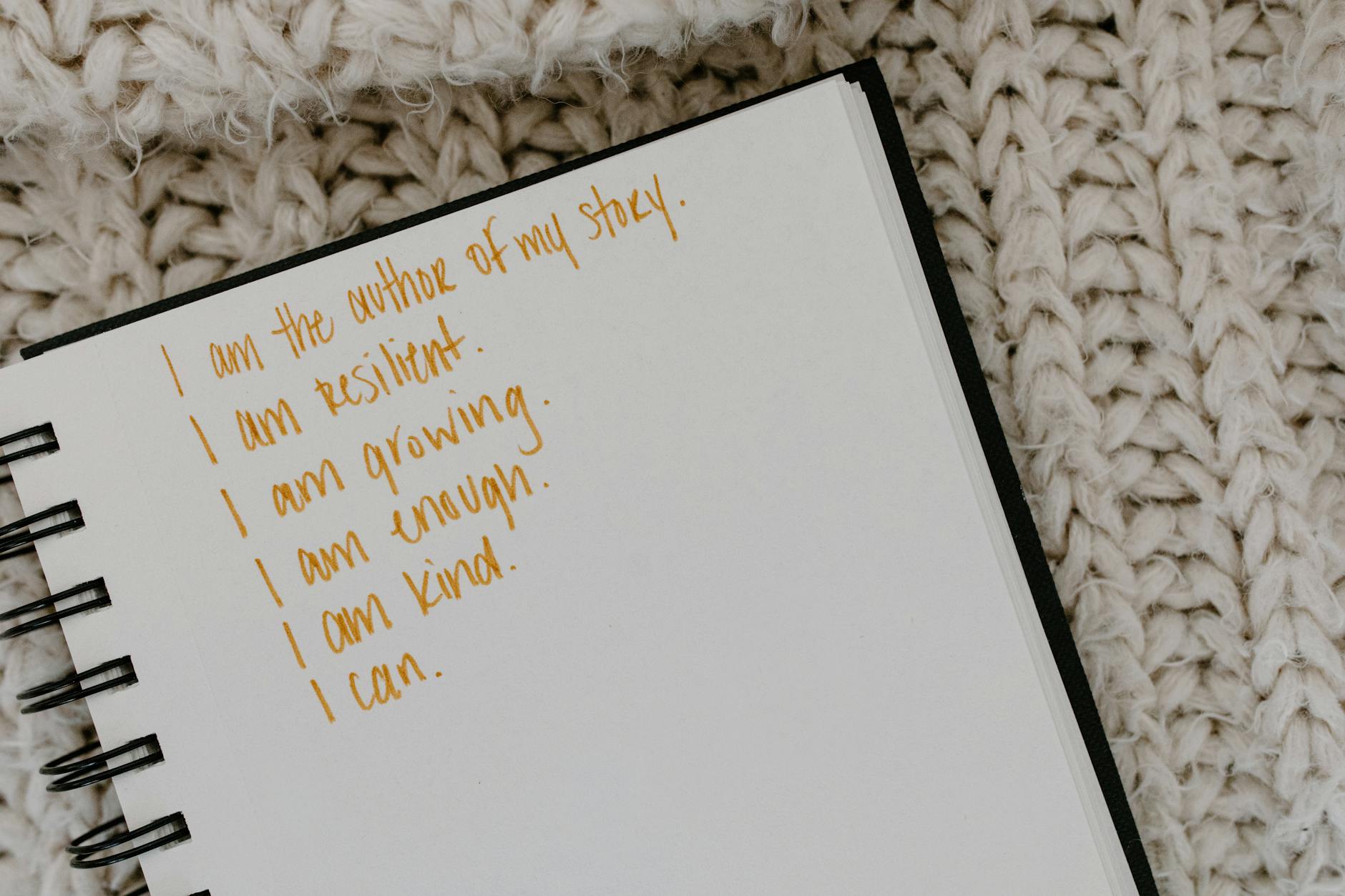
Positive affirmations are effective tools for building self-esteem. By repeating uplifting statements about yourself, you can reshape your inner dialogue. For example, saying “I am worthy of love and success” can counteract negative thoughts and gradually instill confidence. This practice creates a mental environment where self-doubt diminishes and self-acceptance flourishes.
How It Works: The Science Behind Self-Worth
The Brain’s Response to Positive Reinforcement
Engaging in positive self-talk or receiving compliments triggers the release of dopamine in the brain, a chemical associated with pleasure and reward. This response reinforces the behavior, making you more likely to continue practicing self-affirmation. Over time, this habitual reinforcement can lead to a more positive self-image and greater resilience against life’s challenges.
Neuroscience of Self-Perception
Your perception of self-worth is shaped by experiences and interactions throughout life. Neuroscience suggests that the neural pathways responsible for self-perception can be altered through conscious effort. By focusing on positive experiences and feelings, you can strengthen these pathways, leading to improved self-esteem and emotional health.
Common Misconceptions About Self-Worth
Myth: Self-Worth is Inherent and Unchangeable
Many believe that self-worth is fixed, something we either possess or lack from birth. However, research shows that it can evolve through experiences and mindset shifts. With effort and practice, anyone can enhance their sense of worth and develop a more positive self-image.
Myth: Confidence Equals Self-Worth
While confidence and self-worth are related, they are not synonymous. Confidence often refers to one’s belief in abilities in specific situations, whereas self-worth involves recognizing one’s inherent value as a person. A confident individual may not necessarily feel worthy if they base their value solely on achievements or external validation.
Practical Tips for Boosting Self-Esteem
Daily Practices for Positive Thinking
- Gratitude Journaling: Write down three things you appreciate about yourself each day.
- Mindfulness Meditation: Spend a few minutes each day focusing on your breath to cultivate awareness and acceptance of your thoughts.
- Positive Visualization: Imagine achieving your goals or overcoming challenges to reinforce belief in your capabilities.
The Importance of Setting Boundaries
Establishing clear boundaries is crucial for maintaining healthy relationships and preserving your sense of worth. Effectively communicating your needs shows respect for yourself, which protects your emotional well-being and enhances how others perceive and treat you.
The Impact of Social Media on Self-Perception
Comparisons and Their Effects
Social media can create harmful comparisons that negatively impact self-worth. Scrolling through curated images often leads individuals to measure their lives against unrealistic standards, fostering feelings of inadequacy and lowering self-esteem. It’s important to remember that what we see online is often a highlight reel rather than reality.
Cultivating a Healthy Digital Environment
You can mitigate social media’s negative effects by curating your feed. Follow accounts that promote positivity, authenticity, and self-acceptance instead of those that trigger comparisons or insecurities. Additionally, consider taking breaks from social media to reconnect with yourself away from its pressures.
Inspiration from Real-Life Stories
Overcoming Adversity Through Self-Acceptance
Many people have faced significant challenges yet emerged stronger by embracing their true selves. Their stories reveal that acceptance is often the first step toward resilience. For instance, individuals who have struggled with body image issues may share how learning to love themselves led to improved mental health and overall happiness.
Public Figures Who Embrace Their Worth
Celebrities like Oprah Winfrey and Lady Gaga have openly discussed their journeys toward recognizing their worth despite facing public scrutiny. Their experiences serve as reminders that everyone grapples with insecurities but can achieve greatness by embracing their unique identities.
Conclusion: Your Journey to Self-Acceptance
Embracing Imperfection as a Strength
The journey toward self-acceptance involves recognizing that perfection is unattainable. Embracing flaws empowers you to live authentically rather than striving for an idealized version of yourself. Celebrate your uniqueness; it’s what makes you special! Every step taken toward understanding your worth is a step toward living a fulfilling life filled with joy and purpose.
Your Journey Toward Self-Acceptance
Your journey toward self-acceptance may be filled with ups and downs, but it is essential to remain committed. By understanding the science behind self-worth, debunking misconceptions, practicing practical strategies, managing social media influences, and drawing inspiration from others, you can nurture a healthier self-image. Remember that you are inherently valuable just as you are; embrace that truth every day.
Sources
- 25 Inspiring Quotes on Self-Worth and Self-Esteem
- doi.org
- doi.org
- www.ncbi.nlm.nih.gov
- doi.org
- pubmed.ncbi.nlm.nih.gov
- doi.org
- doi.org
- doi.org
Image credit: Source site or provider if indicated
Articles
- Signs of a Nervous Breakdown: Recognizing Key Symptoms
- Recognizing Mental Abuse: Signs and Coping Strategies
- Recognizing 6 Signs of Self-Centered Behavior in Others
- Managing Body Dysmorphia After Cancer: Recognizing Your New Self
- National Humanities Medal: Recognizing Excellence in Humanities Contributions
- Recognizing Fake Friends: Signs, Causes, and Coping Strategies
Days
- March 20: Francophonie Day
- March 20: Native AIDS Awareness Day
- March 19: Certified Nurses Day (United States)
- March 19: Automatic Door Day
- March: Complementary Therapy Week
- March 19: Clients Day
Why do you keep falling for the same type?
Read the article Lovemaps: the hidden blueprint of our love.
Did you not find what you were looking for? Let me help you find more.
