
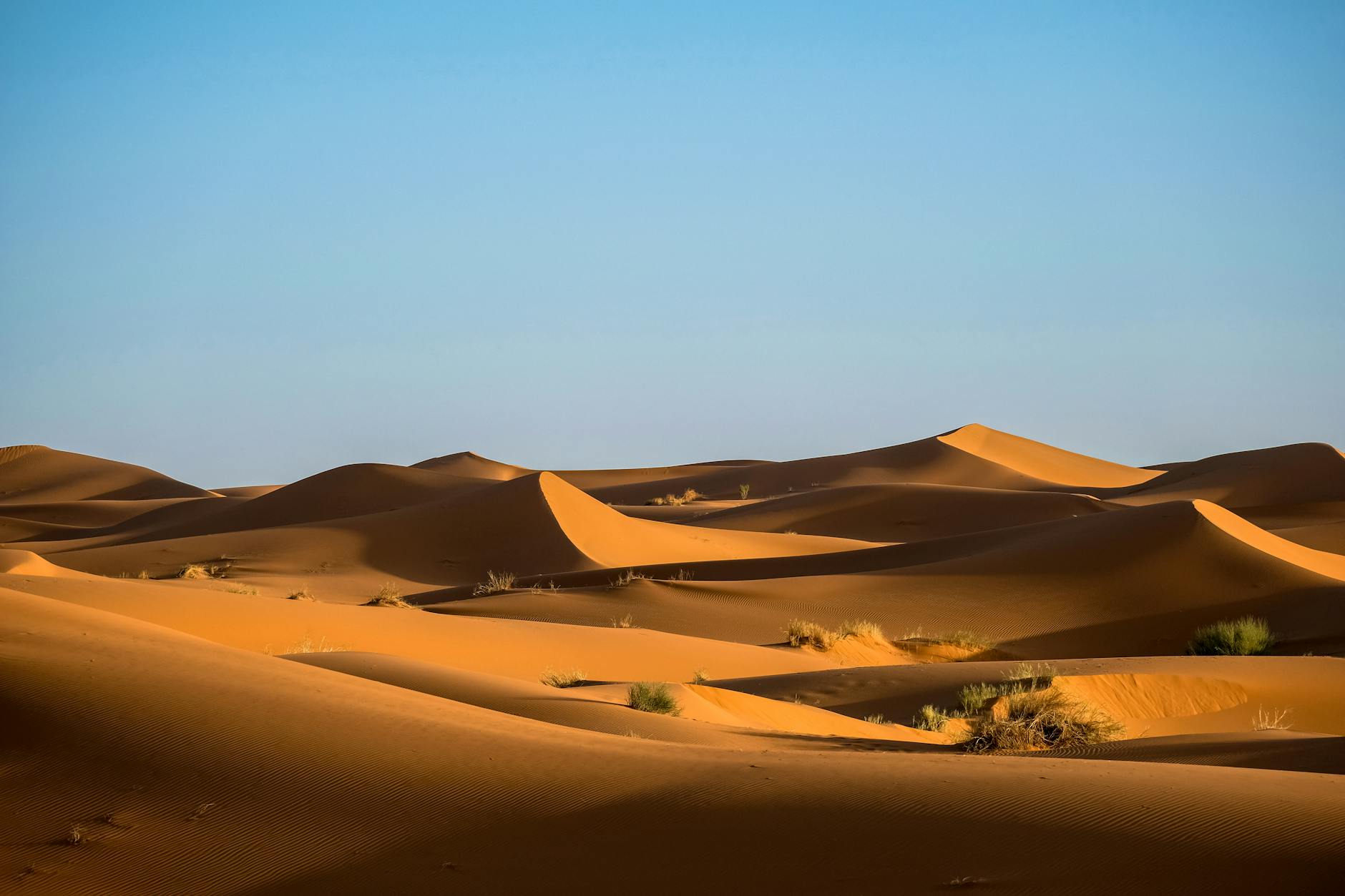
Unlocking the Mysteries of the Sahara
The Sahara Desert, with its sweeping landscapes and extreme conditions, captivates all who encounter it. This desert is not just a barren wasteland; it is a dynamic environment that influences global weather patterns and hosts unique ecosystems and cultures. Understanding the Sahara is crucial as it affects climate, human survival, and biodiversity in North Africa and beyond.
The Sahara is the largest hot desert in the world, spanning approximately 9,200,000 square kilometers (3,600,000 square miles). It is located in North Africa and ranks as the third-largest desert overall, following Antarctica and the Arctic.
Why It Matters Today
The Sahara’s size and characteristics make it a significant player in global climate systems. Its sheer expanse influences weather patterns across continents. For example, dust storms from the Sahara can travel thousands of miles, affecting air quality and climate in distant regions. Moreover, understanding how this desert functions can help scientists predict changes in climate patterns that may impact agriculture and water resources in surrounding areas.
Everyday Impacts on Climate and Weather
People living near or within the Sahara face unique challenges due to its harsh conditions. The desert experiences extreme temperatures, with highs often exceeding 40°C (104°F) in summer. Rainfall is scarce, making it difficult for agriculture to thrive. Communities adapt by relying on oases and traditional practices to sustain their livelihoods. The desert’s influence extends beyond its borders; fluctuations in its climate can have ripple effects on neighboring regions’ weather patterns.
The Sahara: A Landscape of Extremes
Geological Features and Formation
The Sahara’s geography varies significantly across its expanse. It includes rocky plateaus known as hamadas, sand seas called ergs, dry valleys termed wadis, and salt flats known as shatts. The desert stretches from the Red Sea in the east to the Atlantic Ocean in the west, bordered by Mediterranean coastal regions to the north and semi-arid savannas of the Sahel to the south. This vast area has undergone cycles of aridity and humidity over thousands of years due to Earth’s axial tilt and orbital changes.
Unique Ecosystems Within the Desert
Despite its reputation as a barren landscape, the Sahara hosts diverse ecosystems. Areas near oases support various plant species adapted to arid conditions. These include acacia trees, palms, and hardy shrubs that conserve water efficiently. Wildlife such as fennec foxes, addax antelopes, and dorcas gazelles have evolved specialized adaptations to survive in this challenging environment.
How It Works: The Science Behind the Sand
The Water Cycle in Arid Environments
The Sahara’s water cycle is complex due to its extreme aridity. Rainfall is rare; some areas receive less than 1 millimeter annually. The Intertropical Convergence Zone (ITCZ) brings occasional rains during summer months but struggles to penetrate deep into the desert due to high evaporation rates. This creates an environment where moisture is scarce and highly variable.
Wind Patterns and Their Effects on Terrain
Wind plays a crucial role in shaping the Sahara’s landscape. Strong winds carve out dunes and transport sand across vast distances. This aeolian process contributes to the formation of unique landforms such as sand seas and rocky plateaus. Additionally, wind patterns influence temperature variations within the desert, leading to pronounced differences between day and night temperatures.
Life in the Dunes: Adaptations and Survival
Resilient Species of Flora and Fauna
The Sahara supports resilient species that have adapted to extreme conditions. Plants develop traits such as deep roots to access groundwater or thick leaves to minimize water loss through transpiration. Animals like camels have physiological adaptations allowing them to thrive without water for long periods. These adaptations highlight nature’s ingenuity in surviving harsh environments.
Human Adaptation to Harsh Conditions
People living in or near the Sahara have developed various strategies for survival amidst harsh conditions. Traditional practices include nomadic pastoralism, where communities move with herds seeking grazing land. Oases serve as vital hubs for trade and sustenance, supporting both human populations and diverse wildlife.
Common Myths About the Sahara
Myth: The Sahara is Just a Barren Wasteland
This perception overlooks the rich biodiversity present within its ecosystems. Numerous species of plants and animals have evolved unique adaptations enabling them to thrive despite extreme conditions.
Myth: No Life Exists Here
This myth ignores not only wildlife but also human life sustained by oases and traditional practices that enable communities to flourish amid adversity.
The Future of the Sahara: Challenges Ahead
Climate Change and Its Implications
Climate change poses significant threats to the Sahara’s delicate ecosystems. Changes in temperature patterns may exacerbate droughts or alter rainfall distribution, impacting both flora and fauna as well as human populations reliant on traditional livelihoods.
Human Impact and Conservation Efforts
The increasing human footprint through urbanization, agriculture, and resource extraction raises concerns about habitat destruction. Conservation efforts are critical for preserving unique biodiversity while ensuring sustainable development for local communities.
A World of Wonder: Exploring the Sahara’s Richness
Cultural Significance Throughout History
The Sahara has served as a crossroads for cultures throughout history. It has influenced trade routes connecting different civilizations across Africa, enriching cultural exchanges.
The Sahara in Modern Exploration and Research
Today, researchers continue to study this dynamic environment using new technologies like satellite imaging to gain insights into past climate changes and current ecological challenges faced by this vast desert landscape.
The Sahara Desert remains an area of scientific interest due to its unique characteristics and adaptations found within its ecosystem. Understanding this extraordinary landscape helps inform conservation efforts while highlighting our planet’s diverse environments.
Sources
- Sahara – Wikipedia
- geohack.toolforge.org
- www.britannica.com
- web.archive.org
- doi.org
- ui.adsabs.harvard.edu
- geology.com
- web.archive.org
- storymaps.esri.com
- web.archive.org
- www.etymonline.com
Why do you keep falling for the same type?
Read the article Lovemaps: the hidden blueprint of our love.
Did you not find what you were looking for? Let me help you find more.
