
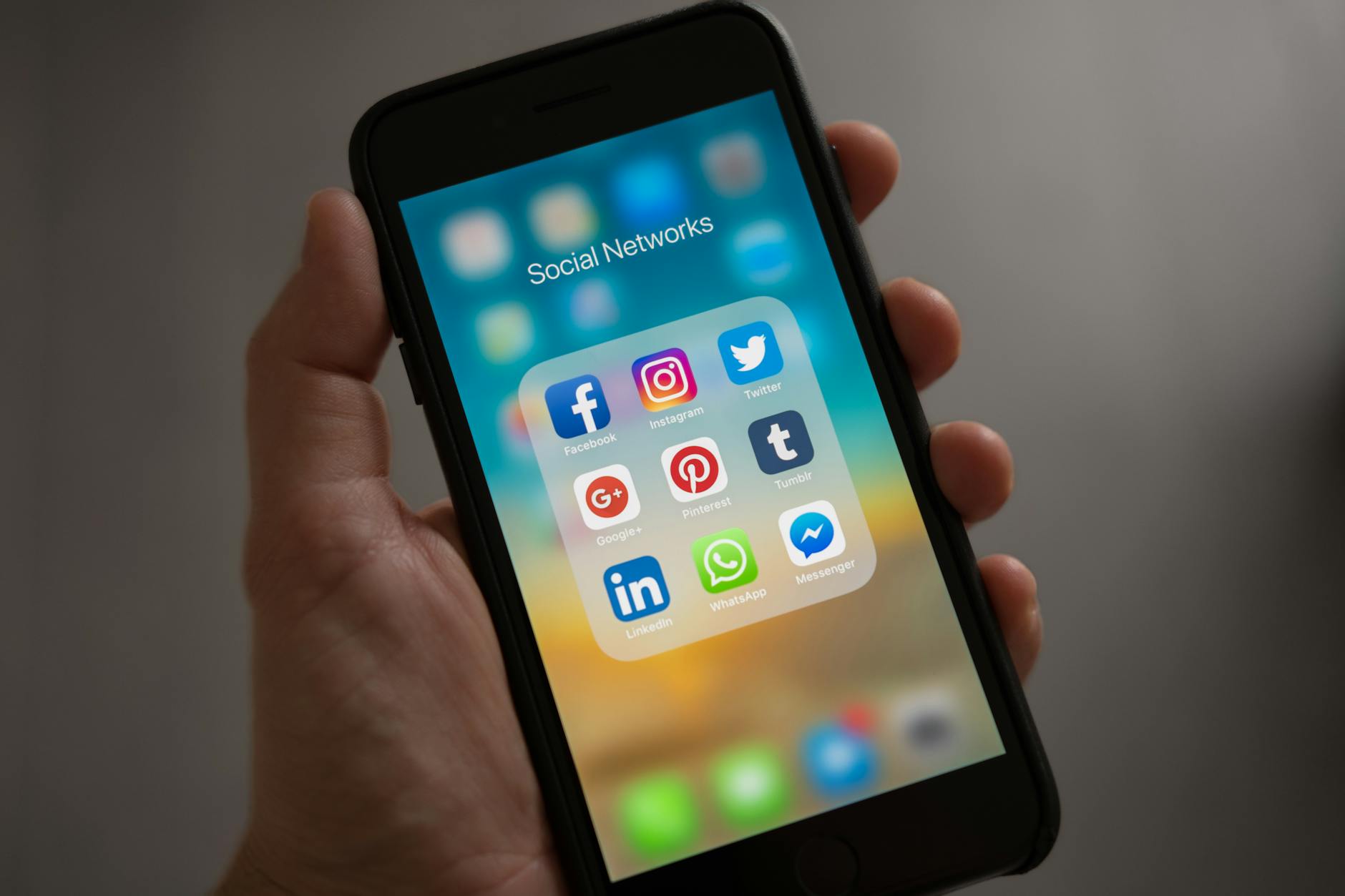
Why Your Feed Might Be Bringing You Down
After scrolling through social media for hours, many users notice a decline in their mood. While others seem happy and successful, some individuals may feel inadequate and alone. This experience is common in today’s digital world.
Social media use has been linked to increased feelings of depression for some individuals. Research indicates that heavy use may trigger negative emotions or exacerbate existing symptoms, often due to unfavorable social comparisons and exposure to negative news. Limiting time on these platforms may help improve mood and overall well-being.
The Power of Comparison
With approximately 4 billion people using platforms like Facebook, Twitter, and Instagram, mental health experts have begun to explore the connection between social media use and depression. Studies show that those who limit their time on social media tend to report higher levels of happiness than those who do not. Constant exposure to curated lives can lead to feelings of envy and worthlessness.
- People often share highlights of their lives, leading others to compare their everyday experiences with these idealized portrayals.
- A study published in 2015 found that Facebook users who experienced envy while browsing were more likely to develop symptoms of depression.
- Another study indicated that people who checked Facebook late at night reported feeling more unhappy and depressed.
Feeling Alone in a Crowded Room
The sense of isolation can be heightened by social media. Although users might have hundreds of friends online, they can still feel alone when they see others engaging in activities without them. This phenomenon, known as FOMO (fear of missing out), can lead to further feelings of inadequacy and sadness.
In May 2023, U.S. Surgeon General Dr. Vivek Murthy highlighted the potential negative effects of social media on youth mental health, emphasizing that it could lead to decreased life satisfaction, body image issues, and sleep disturbances during crucial periods of brain development.
Unpacking the Science Behind Emotions
The Brain’s Response to Social Interactions
Research indicates a complex relationship between social media use and mental health. Some studies suggest that heavy use correlates with increased depression symptoms, while others find that reduced social media activity can lead to improved emotional well-being.
A landmark study published in the *Journal of Social and Clinical Psychology* in 2018 established a causal link between reduced social media use and decreased feelings of loneliness and depression. Participants were divided into two groups: one group had unlimited access to social media, while the other was limited to just 30 minutes per day for three weeks. The results showed that those with limited access reported lower levels of depression and loneliness.
This study marked a significant shift in understanding how social media affects mental health by demonstrating that limiting use can directly improve emotional conditions. Researchers noted that both groups experienced a reduction in anxiety levels as they became more aware of their usage habits during the study.
Less Social Media, Less FOMO
Limiting time on social media helps reduce unfavorable comparisons. Seeing posts about others’ vacations or achievements can make users feel inadequate. A University of Missouri study indicated that regular Facebook users prone to envy had higher chances of developing depression symptoms.
- Unfavorable comparisons: Users may feel inferior when comparing themselves with others who appear to have perfect lives.
- The sense of missing out: Users might feel hurt if they see friends enjoying activities they weren’t invited to participate in.
- Jealousy: Viewing an ex-partner’s new relationship can evoke feelings of inadequacy or loss.
By reducing time spent on social media, individuals can lessen the chances of developing negative feelings tied to these comparisons, thus protecting their mental health.
The Changing Landscape of Bullying
Social media has also transformed the landscape of bullying. Unlike traditional bullying confined to school grounds, online bullying can occur at any time and place. Bullies can easily share humiliating content or spread rumors with just a few clicks.
The fear of speaking out against bullying often keeps victims isolated, making it harder for them to seek support from parents or teachers. This isolation can exacerbate feelings of depression and anxiety.
Doomscrolling: The Impact of Negative News Consumption
Doomscrolling refers to the habit of endlessly consuming bad news online. Many Americans now get their news primarily from social media platforms, exposing them frequently to distressing headlines about disasters and tragedies.
This constant barrage of negative information can create a cycle of anxiety and hopelessness. A study found that those who logged onto Facebook before bedtime were more likely to suffer from major depressive disorder compared to those with better sleep hygiene.
Psychologists warn that doomscrolling reinforces negativity; individuals become increasingly anxious as they focus on perceived threats in the world around them. The more they consume this content, the gloomier their outlook becomes.
How to Use Social Media Safely
While social media poses risks for mental health, it doesn’t need to be avoided completely. Experts recommend moderation in its use. Setting timers or using apps designed to track usage can help manage time spent online effectively.
Engaging in offline activities such as reading, walking, or spending quality time with friends can foster better mental health by redirecting focus away from screens.
Key Takeaways
- Spending excessive time on social media can increase negative emotions and feelings of depression for some individuals.
- Symptoms of depression include feelings of worthlessness, anxiety, fatigue, lack of motivation, and thoughts of death or suicide.
- Limiting time on social media may help reduce doomscrolling and FOMO while improving overall emotional well-being.
In conclusion, understanding the relationship between social media use and mental health is crucial for fostering a healthier online environment. By being mindful about usage patterns and prioritizing real-life connections over virtual ones, individuals can enhance their emotional well-being.
Sources
- The Link Between Social Media and Depression
- suicidepreventionlifeline.org
- podcasts.apple.com
- open.spotify.com
- podcasts.google.com
- music.amazon.com
- datareportal.com
- doi.org
- doi.org
- doi.org
- www.hhs.gov
Articles
- Understanding Social Class and Its Hierarchical Structure in Society
- Interacting With Neighbors When You Have Social Anxiety
- Digital Detox Impact on Sleep and Anxiety: My Week Without Social Media
- Understanding Social Exchange Theory in Relationships
- Rejection Therapy: A Month of Trying to Overcome Social Anxiety
- Positive Affirmations to Alleviate Social Anxiety Effectively
Days
- August 30: Social Justice Sunday
- September 15: Myotonic Dystrophy Day
- September 15: Neonatal Nurses Day (United States)
- September 15: Double Cheeseburger Day (United States)
- September 15: Cheese Toast Day (United States)
- September 15: Linguine Day (United States)
Why do you keep falling for the same type?
Read the article Lovemaps: the hidden blueprint of our love.
Did you not find what you were looking for? Let me help you find more.
